

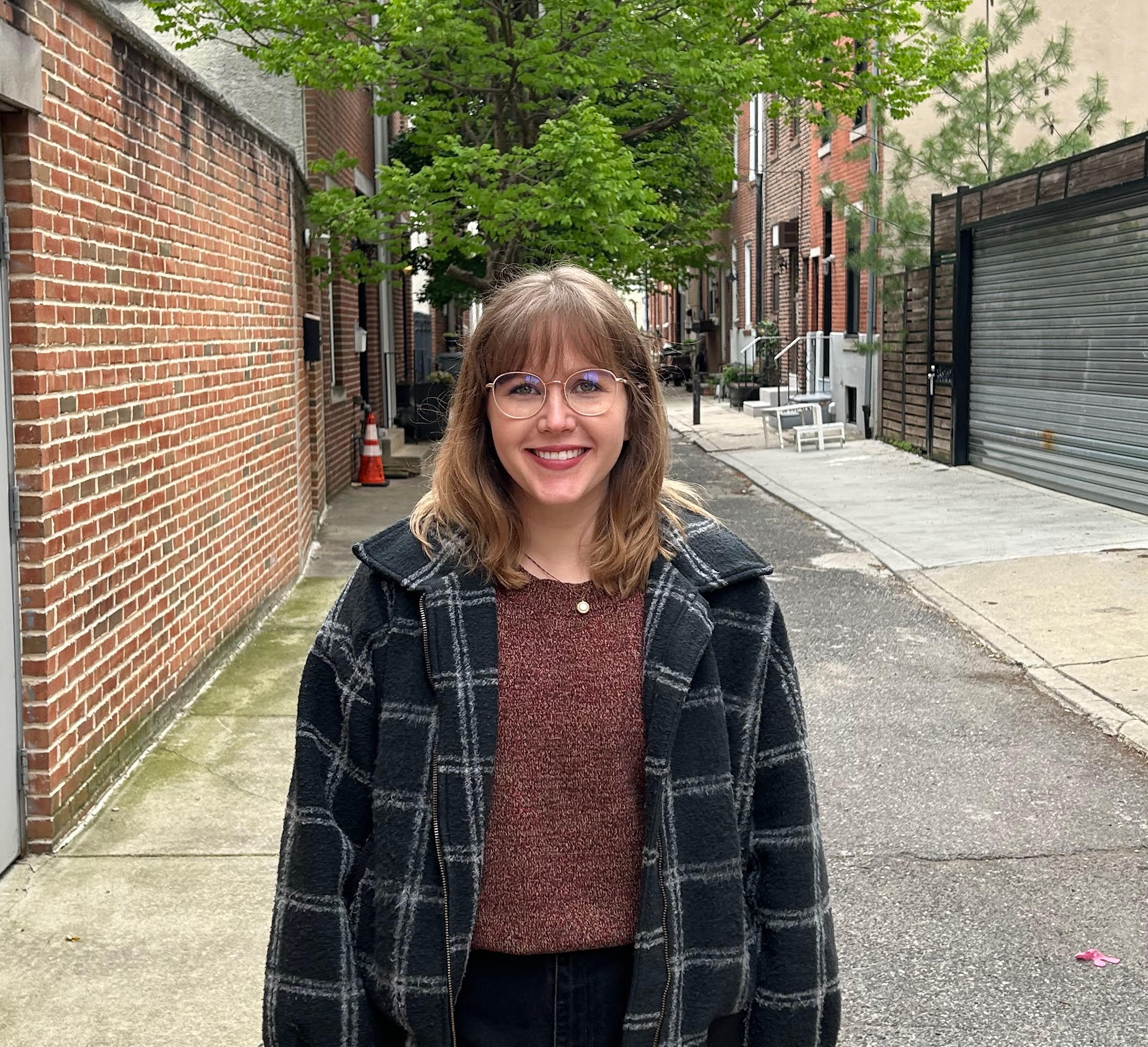


This is How I Got Here, a series where we chart the career journeys of technologists. Want to tell your story? Get in touch.
In another life, Frank Grullon dedicated his career to the arts, performing with his band and producing music in Nashville.
Now, the Philly-based technologist is helping to digitize medical diagnostics at a local life sciences company — and it took many career pivots to get there.
Grullon, manager of diagnostic platform engineering at digital pathology company Proscia, has made multiple pivots in his life, searching for a job that he both felt passionate about and that offered work-life balance. While it took him a while to find his way to tech, he learned that each step of his non-traditional path helped prepare him for the next.
Originally, he studied classical guitar in college, but switched to architecture in pursuit of a more stable career. After school, he moved to New York and worked in the architecture industry for a decade, always knowing it wasn’t his passion.
On the side, Grullon still made time for what brought him real joy, which was music. He played in bands, wrote musical compositions and worked in audio engineering before he moved to Nashville in 2015 to make another career jump into the music field.
After a few years, though, Grullon was burned out and tired of the neverending hustle of the industry. The pay was low, the hours were long and it didn’t feel worth it, he said.
In 2019, Grullon decided to try web development and programming and enrolled in an online coding bootcamp. Drawn to the prospect of a more balanced lifestyle, he started freelancing before eventually landing at his current company in 2022. He now manages a team of engineers and feels inspired by the ever-changing nature of tech, he said.
In this edition of Technical.ly’s How I Got Here series, Grullon explains how he managed several career jumps, why tech still feels like the right fit and the lessons he learned from each of those moves.
This Q&A has been edited for length and clarity.
What common threads have you found between your different careers?
The biggest one is looking at patterns. When writing for an orchestra, you have so many pieces that are playing all at the same time. Changing the arrangement for one instrument section affects the whole balance of your group.
That’s definitely the same in tech. It’s not just one little bit of an application. Everything works together as a whole.
The other one is that you have to deal with a bunch of different personnel and that on its own is very difficult to get everybody to structure everything the same way.
What do you enjoy about your current role?
I enjoy teaching and being a mentor to the younger engineers. I enjoy playing conductor. I equate it to an orchestra where everybody, individually, could be a great contributor, but if people can’t play together, then you’re going to sound like crap. So ensuring that the team works cohesively has always been a big thing.
I’ve always enjoyed managing others and bringing out the best, because I see a lot of potential.
What role does music play in your life currently?
I futz around on my guitar at home a few days a week. I haven’t played with a group formally in several years, but I try to get together with some of the old bandmates in New Jersey once or twice a month. We’re all pretty similar. We have our own careers and lives, but we still love just playing together and just having fun.
What advice would you give someone interested in a career pivot?
Don’t be afraid. There’s a lot to be afraid of, of course, but if you don’t do it, you’re never going to improve your own life. If you don’t like it, at least you tried it. I never wanted to wonder, “What if?”.
By jumping into tech, you always learn something. It’s always going to be applicable. It could be a roundabout way to a related field. We all have impostor syndrome, we’re all learning, and we all continue to do it.
So just do it, have patience. There are a lot of resources to learn from, and there are a lot of people who are willing to help you out.


