

They got the bikes out
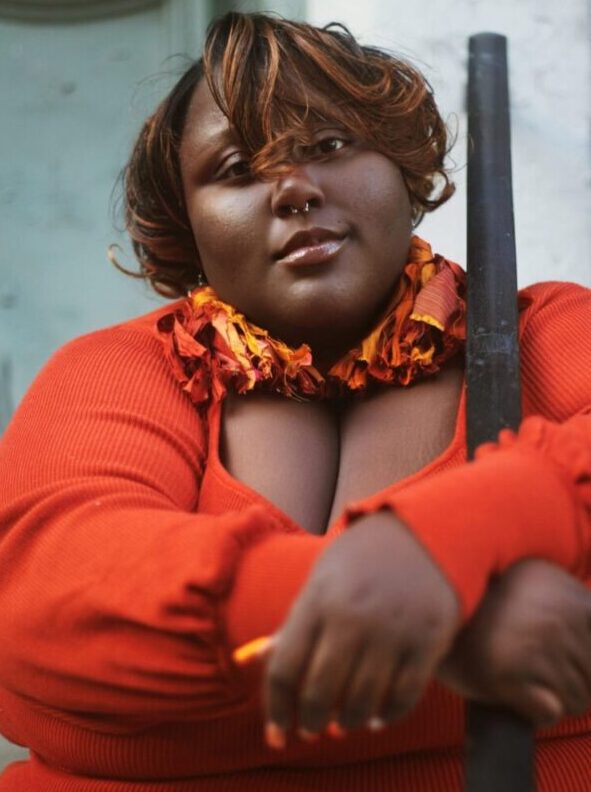
B-360 founder Brittany Young is all about promoting the city’s dirt bike culture and STEM education, but she also emphasizes the importance of taking breaks, particularly to inspire rest among other Black women and girls.
That doesn’t slow down her advocacy: B-360 is looking for support at an upcoming City Council hearing around confiscated bikes, and also pushing for change in a Maryland House bill.
➡️ Find out when the hearing is and where B-360 is piloting its programming next
This CEO keeps fighting for financial inclusion
Briana Marbury, CEO of the Interledger Foundation, is continuing to advocate for financial inclusion despite the current DEI backlash. Her interview with Holly touches on the broader theme of social responsibility and the obstacles faced in promoting inclusivity in various sectors, particularly in tech philanthropy.
➡️ Learn more about Marbury and her efforts here
News Incubator: What else to know today
• Marylanders Online and the National Digital Inclusion Alliance are collaborating to provide a no-cost two-day Digital Navigator Training. This is an opportunity to get knowledge and skills to contribute to a more digitally inclusive Baltimore. [LinkedIn]
• The Entrepreneurs’ Organization has inaugurated a new clubhouse in Fells Point, providing a dedicated space for business owners to collaborate and network. This 1,700-square-foot facility, named the EO House, marks an expansion for the organization since its establishment in Baltimore in 2014. [Baltimore Biz Journal]
• Baltimore Peninsula’s LaunchPort announced its latest resident company: JuneBrain, led by CEO Samantha Scott and her team. [LaunchPort/Technical.ly]
• In an email to Technical.ly, Matthew Reeds, who recently stepped down as deputy director of Baltimore Homecoming, thanked community partners for their support, and expressed confidence in the organization’s continued success under new leadership. [Technical.ly]
• Ramadan’s start and end depend on the sighting of the new crescent moon, which varies globally. The Islamic calendar, shorter than the solar Gregorian one, consists of twelve lunar months, leading to seasonal shifts over time. [Nat Geo]