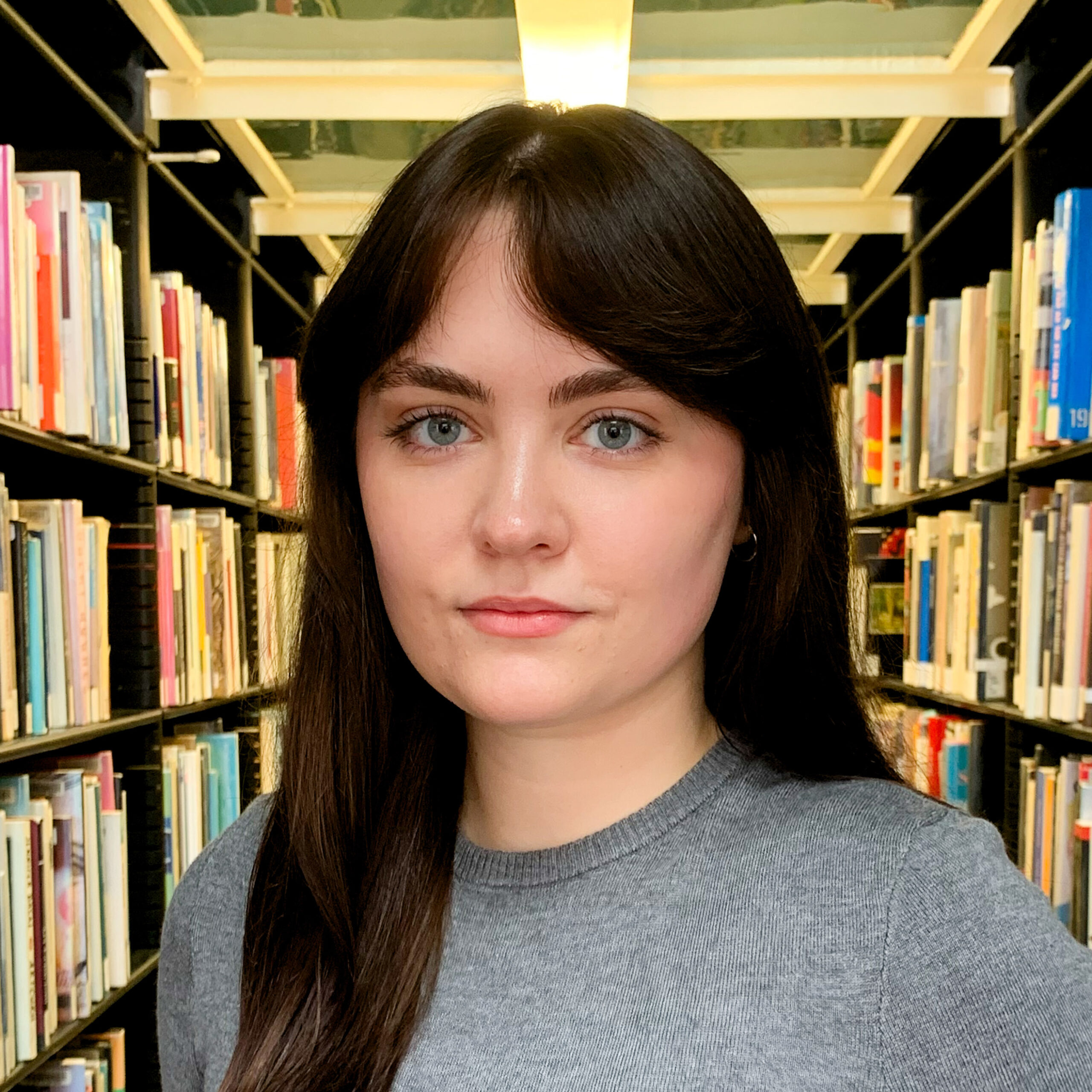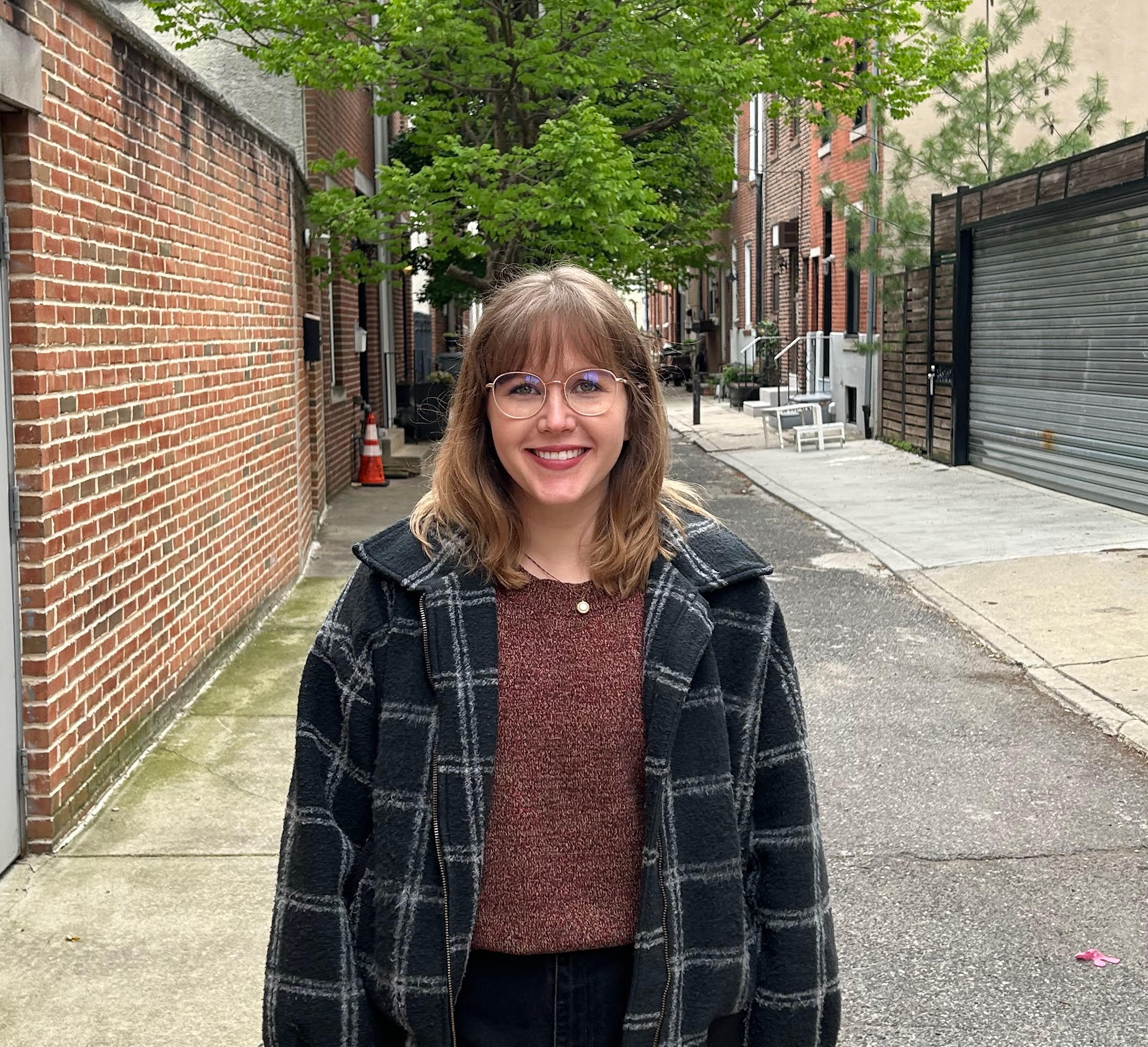

Karina Sotnik landed in Silicon Valley right as it was taking off, with an international perspective and a drive to learn — and since then, she’s dedicated her career to helping other companies scale.
Philadelphia-based Sotnik is doing that work through her role as founder and CEO of WorldUpstart, a company that helps international startups expand to the US market.
“Do not look for like-minded people. Find your deficiencies, own them, and then bring people who can actually complement them.”
Karina Sotnik, founder and CEO of WorldUpstart
But her ties to the world of tech startups go all the way back to the 80s, when she was advising West Coast companies on how to expand internationally.
She took a brief break from working with founders in the 2000s, opting instead to become a founder and start a small retail business. While she describes that period of time as an uncharacteristic pivot in her career, it taught her a lot about actually running a business, she said.
After closing her store, she returned to the world of tech startups by building accelerator programs for the University of Pennsylvania and the University City Science Center.
Throughout all of this, she learned that a strong team and ample resources are vital for helping startups succeed.
In this edition of How I Got Here, Sotnik dives into her journey supporting startups from all over the world and explains why all entrepreneurs need a strong support system to grow.
This Q&A has been edited for length and clarity.
How did you first start working with tech companies?
I came to the United States in 1988, when I just graduated from college. I came out of the Soviet Union when Mikhail Gorbachev, then the president of the Soviet Union, just opened the door and I escaped as a tourist. I ended up in the right place, at the right time, at the end of the 80s in Silicon Valley.
Very quickly, I got engaged with tech companies. I was trained as an engineer, but I became a business development person who started to take US tech companies to international markets. No one else knew how to do it, and I saw an opportunity to fill the gap and learn.
I became a senior director of international business development, expanding companies to Europe, Asia, Australia and New Zealand throughout the 90s. That was the first decade of learning what companies need when they expand to completely new markets.
You were an entrepreneur yourself for a period of time. What was that experience like?
My husband was offered the job to be the chair of a department at the University of Pennsylvania in the early 2000s. We came to Philadelphia with two almost newborns and I am not a stay-at-home mom kind of person, so I started to look around.
I thought that tech was dead in Philadelphia at the time, so I decided to open a retail store for international, global goods and linens. I started to import linens from the Baltics, ceramics from Germany and jewelry from Italy.
I didn’t know anything about retail. I had to figure out how it worked and the procurement of goods and tariffs and all of that. I also started to manufacture my own line of goods and do wholesale.
When the financial crisis of 2008 came, it just crushed my business. I closed it in January of 2009.
How did you get back to working in the tech industry?
I had an opportunity to work for a year in Europe, where I got involved with a business accelerator. Then, I was hired by the University of Pennsylvania to build an accelerator for mobile technologies. At the time, 2012 and 2013, no one knew what an accelerator was, but mobile apps were all the rage.
I brought in developers, entrepreneurs and investors who can validate the ideas. We put together a blind selection process that would distill from 400 applications, five winning ideas and convert them to companies during the academic year.
That taught me how to build an accelerator, what resources and what kind of ecosystem a company needs. At that time, I opened WorldUpstart as a consulting company. I then went and worked with the Science Center, where I built another accelerator. I was plunged into the life sciences and medtech space, where I learned how to commercialize from the lab.
When COVID hit, I decided to braid together the two experiences and that’s how the current version of WorldUpstart came to be.
What lessons have you learned from your own career that you share with the entrepreneurs you mentor?
The number one lesson from my retail days is: Know when to close when things don’t work out. With entrepreneurs, it’s your baby. You put so much energy, love and resources into it. It’s sometimes really hard to step back and say it’s not working.
Startups are a really messy business and some of them don’t survive. You mourn them because the technology was amazing, but maybe the timing was not right, or the execution was not right.
Lesson number two: Find your team. Find your tribe. Find good people. Building that ecosystem is hugely important. I’m so grateful for everyone involved in WorldUpstart and we’re growing every day.
What keeps you excited about working with startups after all these years?
It’s like reading science fiction every day. The type of companies that we help are amazing. They’re on the edge of innovation, of really breakthrough technologies. And I am in awe every day of the people who do it.
You cannot engineer discovery. Some discoveries just happen by chance. But you can absolutely engineer the support system that then takes those discoveries to the patient, to the market or to the customer. Being just a tiny little part of that is incredibly rewarding.
Do you have any advice for aspiring entrepreneurs?
I always recommend to young entrepreneurs who are just putting their teams together, do not look for like-minded people. Find your deficiencies, own them, and then bring people who can actually complement them.
You might have your expertise, and there are a lot of people who offer their consultancy through their expertise, but your expertise is just one drop. Bringing other expertise together and growing that ecosystem is an absolutely crucial step.
You cannot do it with just one or two or three people. You really need to branch out to other resources to create real value.