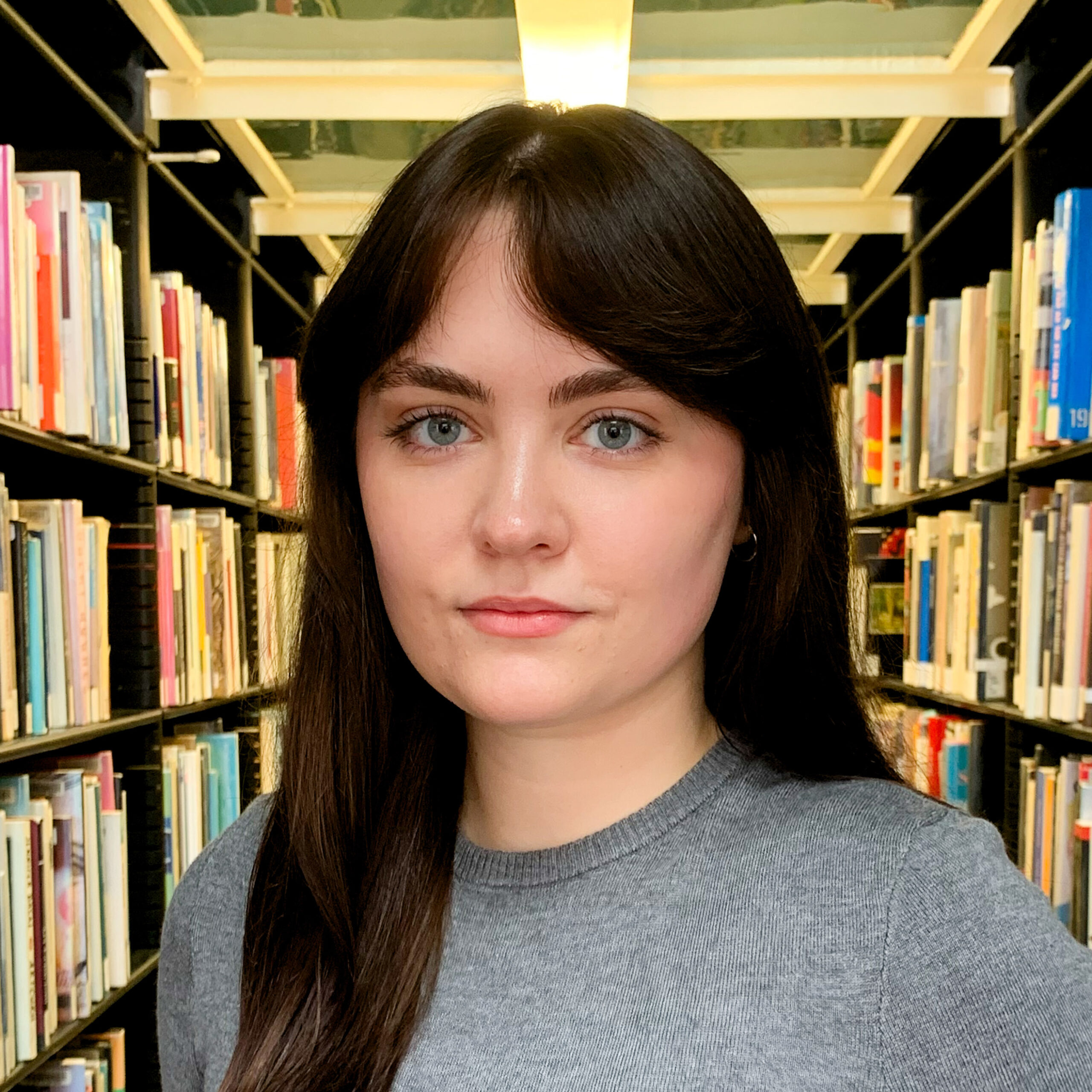
It started with one high school student, a gaming platform and $100 in birthday money.
Satya Kokonda, a current sophomore at the Charter School of Wilmington, founded CompetifyHub in 2024 for students like him, who love academic competition, but who lack access to resources.
What began as a small Discord group has since grown into a global learning community.
CompetifyHub is a nonprofit, free online learning and competition platform designed to be a one-stop destination for students interested in academic competitions. What began as a small Discord group has since grown into a global learning community of almost 60,000 students in 60 countries, offering access to advanced competitions and research opportunities regardless of location or income.
One book changed everything.
Kokonda wasn’t always an academic competitor. Like a lot of young people, he used to spend a lot of time scrolling on social media.
“Back in middle school, I had this YouTube Shorts addiction,” he said. “It wasn’t really productive, but that’s what I was doing for most of my day.”
Ultimately it was math that broke the cycle. Not classroom math, but the kind of math that isn’t usually taught in school, found in a competition textbook his parents had purchased for him at some point.
Instead of YouTube, he got hooked on combinatoric problems — a branch of math focusing on patterns, choices and logic rather than long calculations — and started competing.
From frustration to intention
It wasn’t long before Kokonda realized that the playing field wasn’t always level.
“There were students who, while being extremely motivated to pursue competition math, were blocked by a lack of resources and opportunity,” he said.
Around that time, he saw Michelle J. Sison, US assistant secretary of state for international organization affairs, speak at a conference, and he was inspired.
“[Sison] specifically mentioned that if there was a disconnect in our community, we should do whatever we can to close that disconnect, and that motivated me,” Kokonda said. “I saw that there was an issue, and I hoped I could do something about it.”
He decided to start a small Discord group with a few competitor friends, where they created free problems with solutions.
Interest in the Discord grew as word spread, and new users joined, many wanting to volunteer their time for the project.
“I saw that this was a real need that we were actually fulfilling,” Kokonda said.
To support the growth, he moved the project onto a dedicated website that he funded with less than $100 of his own money. It was a good bet: CompetifyHub has become popular with student competitors all over the world.
“One of the first challenges we encountered,” he said, “was the different time zones.”
Making advanced learning accessible
Competify Hub operates as a free online platform where students can prepare for and participate in academic competitions.
Through the site, students download practice problems, tutorials and study materials organized by subject and grade level. They can register for Competify Hub’s online competitions, and even connect with volunteer mentors. The platform allows global engagement between peers, turning what is often a fragmented ecosystem into a centralized, accessible resource.
K-12 academic competitions aren’t just extracurricular activities. They’re deep learning experiences, Kokonda says, that function as additional learning tracks.
These competitions range from advanced math Olympiads that explore topics beyond the classroom to science and research challenges that ask students to design experiments and think like working scientists.
“What you cover in school is scratching the surface of these really intricate fields and concepts,” Kokonda said.


What started as a math-focused platform now includes biology and research competitions, with plans to expand into physics, chemistry and other fields.
Looking ahead, Kokonda says the next phase of Competify Hub will focus on reach. While the platform has largely attracted students already seeking out competitions, he sees the biggest opportunity in reaching students who don’t yet know these pathways exist.
Another key focus is developing its research library model, which allows students to borrow equipment to conduct their own experiments, an effort Kokonda sees as critical to demystifying the scientific process.
While Kokonda will only be a high school competitor for a couple more years, he intends to stay involved.
“I definitely plan to stay with the nonprofit,” he said. “I want to grow it to the scale of other major education nonprofits in the space.”