


Allegheny County is now planning its next long-term investment strategy, and it’s calling on local founders to weigh in on what they need for future growth.
“Rather than creating a redundant stakeholder group, we are showing up where those folks are already convening.”
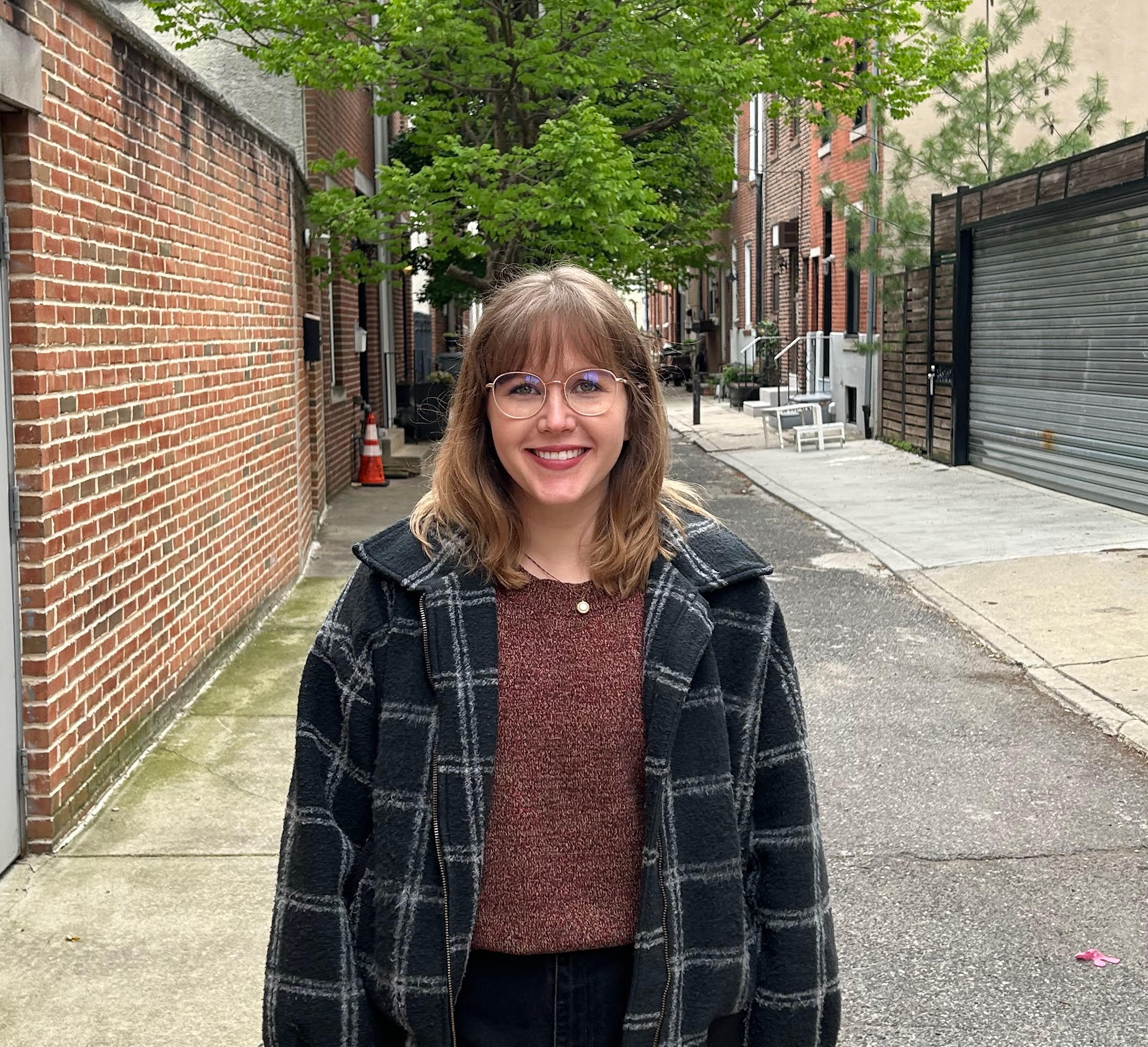
Lauren Connelly, Allegheny County Economic Development Director
Significant investment, about $115 million, has already been made in the Mon Valley region — which includes Allegheny, Fayette, Greene, Washington and Westmoreland Counties — over the last five years. But that funding has been fragmented, Allegheny County Economic Development Director Lauren Connelly told Technical.ly, leading to reduced impact and possibly missed opportunities.
Now, the economic development org and other local stakeholders are developing Mon Valley Forward, a plan to unify economic development efforts and create “actionable strategies” to attract new businesses, support existing ones and spur job creation. The $200,000 planning process launched late last month.
“There’s been a sprinkling of resources across the county, but we haven’t moved the needle in the ways that we want to,” Connelly said. “The Mon Valley deserves a focused strategy. We should not be operating in silos.”
Previous investments have largely targeted blight removal and infrastructure improvements meant to prepare sites for development, but Connelly said the next phase requires deeper community involvement and sharper prioritization.
The first phase of the planning is currently underway, with the region’s vision, goals, priorities and a readiness assessment expected to be released by April 2026. An initial website and interactive engagement tools will launch in mid-December of this year, followed by public engagement events and stakeholder roundtables continuing throughout 2026.
“A goal of ours with this is to make sure that we aren’t investing in redundant, duplicative efforts,” Connelly said, which can be a recurring issue when the Mon Valley has more than 40 school districts, 130 municipalities and a large number of economic development organizations to consider.
Technical.ly sat down with Connelly to learn more about how the plan will take shape and how local founders can get involved now to influence the region’s future.
This Q&A has been edited for length and clarity.
What is the role of startups and early-stage entrepreneurs in the region’s long-term economic vision?
A big part of the countywide comprehensive plan, and the Mon Valley strategy, is focused on how we retain and attract new businesses.
We need to understand what the experience has been for entrepreneurs, startups, founders, businesses that were started here within the past year, three years, five years, but also those legacy companies that have been around for decades.
We no longer want to prescribe financing instruments or policies that don’t meet needs. We want to make sure that we are creating a structure — be it financial or policy support — that meets the needs of the business community.
So, there will be stakeholder interviews with local business owners, entrepreneurs and founders as part of the Mon Valley plan. There will also be surveys that they can participate in to give real feedback on what their experience has been and what support gaps there are in the ecosystem.
What conversations are you having with Pittsburgh’s existing innovation ecosystem?
So far, we have worked with municipal leaders and a stakeholder group that is representative of about 200 different organizations that have a specific interest in the future economy and economic development in Allegheny County.
From that, we’ve heard that while we are rich in organizations and institutions that support entrepreneurs, it can be fragmented and tough to navigate when you’re new to this ecosystem. So, we’re asking ourselves how we can demystify those processes and the resources that are available to a founder and entrepreneur.
Also, capital is always an issue. As the county government, we’re never going to be venture capitalists, investing in companies in that way. However, we can create a county that’s more attractive for investors. We can invest in infrastructure, in main streets, in housing.
Also, how can we invest in shared facilities and assets that can support local companies? We’ve talked a lot about how other markets have more access to shared equipment and infrastructure where startups can build prototypes or products.
Then, we need to tell our story. We think that in partnership with our economic development organizations and with our elected leaders, we can get better at telling our story.
We are so lucky to have individuals and organizations convening local innovators and entrepreneurs by sector, like the Pittsburgh Life Sciences Alliance, Innovation Works, InnovatePGH and Pittsburgh Robotics Network. We continue to meet regularly with those organizations, and we’ve cohosted roundtables with those organizations.
Rather than creating a redundant stakeholder group, we are showing up where those folks are already convening and starting to map out what makes sense in terms of future convening.
What can local founders do right now to engage with this early planning process?
We do have a placeholder website where folks can enter in their email to stay up to date on where we are in these planning processes.
When founders share their contact information with us, we will make sure to work with our consultant teams and our partners to get them into the right space for the right conversation.
What metrics will you most likely use to track the success of this strategy?
We’re going to continue to monitor demographic data. What are our population numbers, household income and vacancy occupancy rates of commercial corridors?
Also, jobs retained, jobs created, the number of businesses retained or opened in these communities and the amount of investment into the Mon Valley.
There was $115 million invested over the past five years, and some of our partner organizations, or folks living and working in the Mon Valley, say it doesn’t feel different.
While it’s more qualitative, we do want the Mon Valley to feel different. We want people in the Mon Valley to see, in the near term, things happening – businesses opening, sites being developed, houses being sold. We are focused on advancing those near-term priority projects because we think that will also deliver important outcomes.


