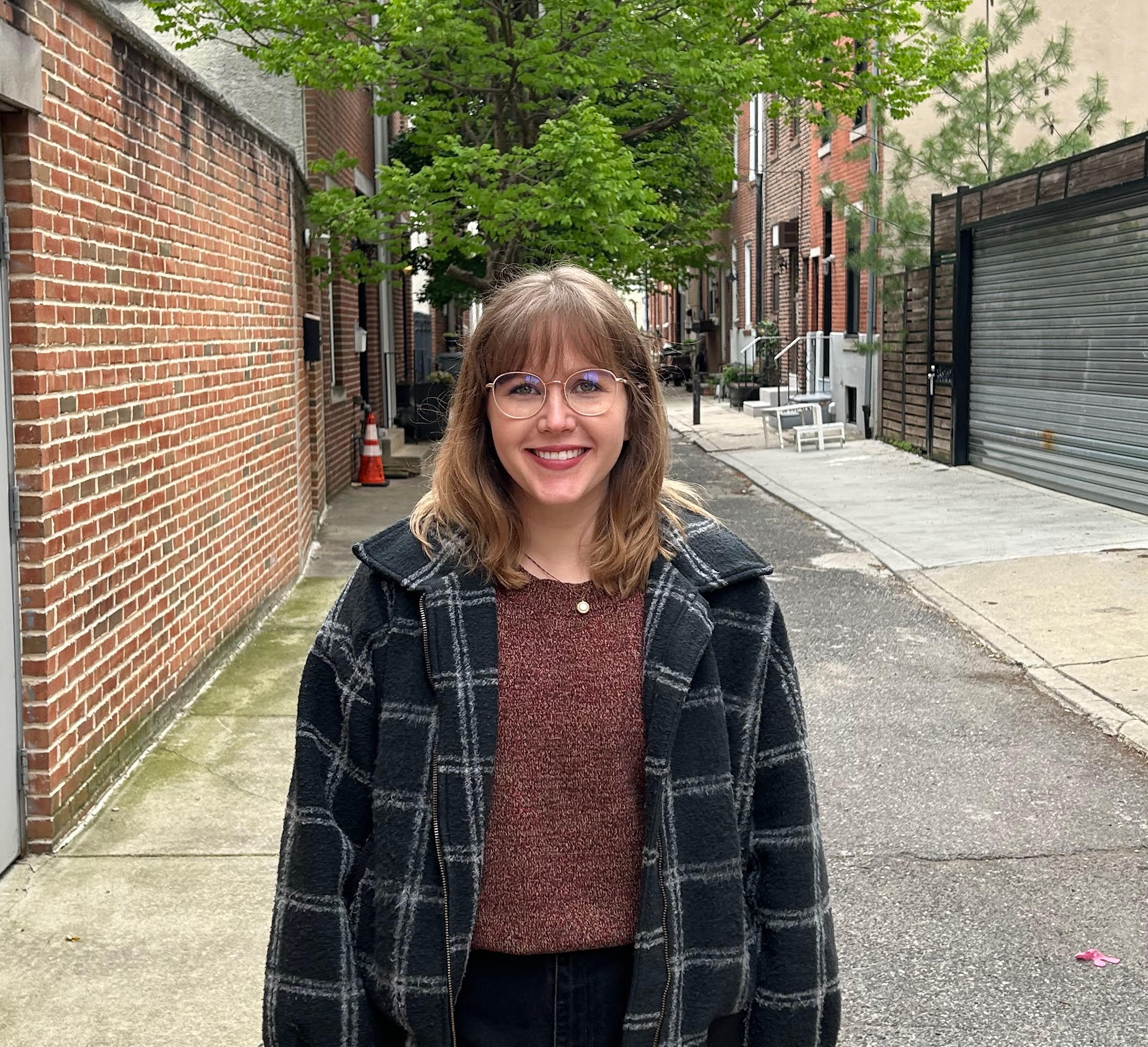

When Marilyn Steele and her husband decided to open a grocery store in a small Charles County town, they didn’t realize it would be such an undertaking.
“We want business owners to cross-reference, not just what the data says, but what the community members have said that they need as well.”
Francesca Ioffreda, Maryland CIO
The town’s last grocery store closed in 1999, forcing residents to travel nearly 10 miles for fresh food. It took five years to open their store in the fall of 2024, slowed in large part by limited information about available government funding and local household demographics to help guide their decision-making.
“It was a herculean effort,” Steele said. “Nothing was centralized or easily accessible to make determinations about our business.”
Now, a new tool unveiled last December by the Maryland State Innovation Team aims to tackle the hurdles the Steeles and others like them faced. The Maryland Community Business Compass is a statewide platform that assesses local demand for fresh food and childcare and compiles government programs and resources to support new businesses.
It’s designed to give aspiring childcare and grocery store owners a faster path to launch — and to level the playing field for entrepreneurs who can’t afford an expensive feasibility study.
The team aggregated data from federal and state agencies, combined with research into local communities, to create a map that showcases the findings all in one place.
They also used AI to scrape 18,000 pages of planning documents to pinpoint relevant quotes from locals on topics like food availability, giving further insight into what residents need, according to Francesca Ioffreda, Maryland’s chief innovation officer, who leads the team.
“We want business owners to cross-reference, not just what the data says, but what the community members have said that they need as well,” Ioffreda said.
Alongside the map, a centralized government funding database consolidates nearly 250 grant options from more than 70 state and local websites into a single searchable tool, per Ioffreda. A connect-with-experts feature also allows entrepreneurs to search by county and topic — such as securing permits or locations — to find guidance.
How the Compass was built
The Compass is among the first initiatives from Maryland’s State Innovation Team, founded in 2024 with three years of funding from Bloomberg Philanthropies to craft data-driven strategies aimed at reducing child poverty and boosting economic mobility. The group prototyped and launched the tool in less than five months, according to Ioffreda.
To build the Compass, the team first sought to understand the roadblocks small business owners like the Steeles encounter when starting a business.
“What we found is that they face challenges around knowing where to start their business, how to find funding and how to connect to experts that can help them in the process,” Ioffreda said.
The team then held interactive co-design sessions with multiple state agencies to determine which data to include and how to generate scores for fresh food gaps, childcare demand, and related metrics such as food security rates and spending capacity.

To validate the findings, the team visited areas with high fresh food gap or childcare demand scores and interviewed local residents.
“We wanted to understand how the score actually compared to their lived experience,” Ioffreda said.
Partnering with Anthropic for next steps
The Compass debuted alongside Gov. Moore’s announcement of $10 million in additional state funding to expand childcare and fresh food access. Since its launch, the tool has drawn 5,200 active users, split roughly evenly between childcare and fresh food insights.
The team plans to add more industries, but wants initial feedback on usability before expanding beyond childcare and fresh food. The tool is powered by an automated data pipeline, which they plan to refresh quarterly. It does rely, however, on government websites updating their offerings.
The innovation office is also planning to work with Anthropic for the next version of the tool, Ioffreda said. The Moore Administration announced a partnership with the AI company in November to leverage AI across state agencies.
Small business owners like Steele, who went through the process before the Compass existed, say a tool like this could save them hours.
“It would’ve given me a year back in my life,” Steele said. “All I did — it would’ve taken a minute.”