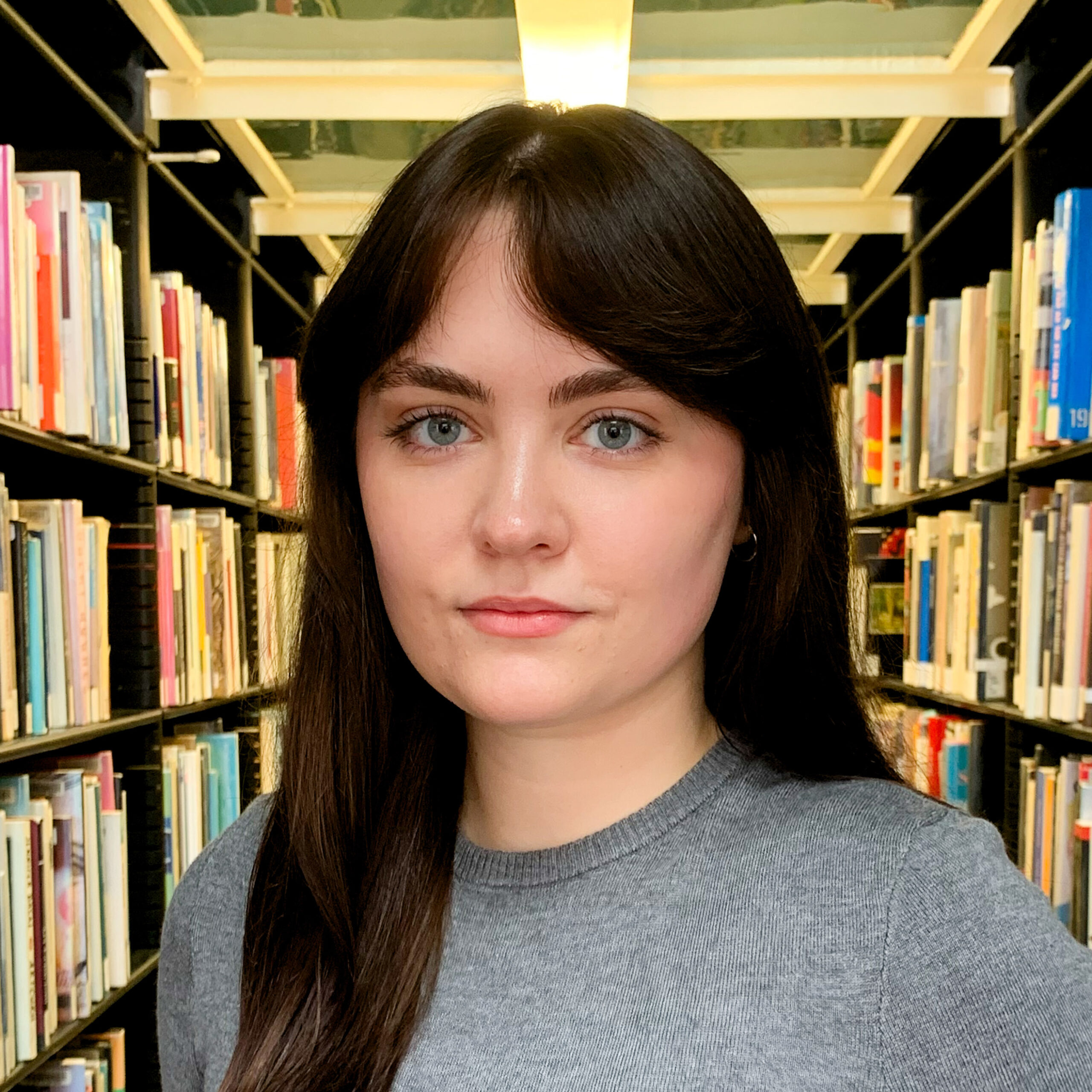
Tsjenna Daley’s career has always focused on helping people. That passion first became clear as a child, when she started her own business teaching computer skills to seniors.
“For me, the help part is just something ingrained in my DNA,” Daley told Technical.ly. “I naturally look to see, is there something I can do to make somebody’s life a little bit easier? I’m going to do that.”
“It’s always felt important for me to pour back into the city that poured into me.”
Tsjenna Daley, Deputy Mayor’s Office for Planning and Economic Development
Now, she spends her days getting startups connected to funding and support as the senior manager of tech initiatives at DC’s Office of the Deputy Mayor for Planning and Economic Development. Daley, a 40-year-old Deanwood resident and DC native, became a public servant in 2020 after working in the private sector for the bulk of her career.
This isn’t her first stint with city government, however. Daley first worked for DC as a teenager through the Summer Youth Employment Program, where she reported on local stories and operated cameras for the district’s public access channel.
“It’s always felt important for me to pour back into the city that poured into me,” Daley said.
In this edition of How I Got Here, the government leader outlined her advice for aspiring technologists, misconceptions about DC and her love for the city.
This Q&A has been edited for length and clarity.
What was your first job?
My first professional job was actually at a healthcare lobbying firm: America’s Health Insurance Plans. So very different [from] what I’m doing now. I’ve had a bunch of different opportunities and picked up bits and pieces here and there that landed me where I am.
My very first tech experience actually started when I was a kid. I created my very own business that was focused on supporting folks with basic tech skills — how to use a computer, that kind of thing.
I had a computer in my house from when I was really young. I just love to tinker with the computer, trying to figure things out, and have always just had a knack for trying to play around with, break a little bit and then fix things again.
It actually wasn’t until very recently that I got fully into what I would consider a tech career.


What does the day to day for you at the Deputy Mayor’s Office of Economic Development?
It’s all over the place. I look at it in two different buckets.
One of the bigger projects in my portfolio is the Commercial Property Acquisition Fund, and that supports business owners who are looking to purchase their properties with [grants] up to $500,000 or 25% of that purchase.
Then on the other side, now I’m focusing on supporting our DC Venture [Capital] Fund, making sure that we can get fund managers in place. We’re hoping to announce by the end of the year the new fund managers.
Also thinking through technical assistance for that program — how we make sure that businesses are ready. Because not all businesses are venture backable. Not every business should have VC funding.
So just trying to think through how we operationalize that, how we make sure that we are making the program equitable, of course, but also making sure that folks understand and aren’t romanticizing the VC dollars.
There’s also supporting the overall tech ecosystem. I spend a lot of time attending events, listening to trends and things that are happening, [I’m] really excited about conversations in space.
What do you see as challenges in positioning DC as a tech hub?
I think by and large, people have this notion that DC is just a policy city. It’s far more than that.
One of the biggest challenges I’ve seen is just that it’s really hard to find out who’s who in the city, and get connected to the tech ecosystem.
That’s why I love DC Startup & Tech Week, because it really does uplift all of the things that are happening. It provides really good networking and support for the ecosystem.

The challenge has always been the narrative, the story that we tell about all of the amazing things that are happening. There’s so many wonderful startups here. There’s a great VC community here. There’s so much activity, it’s like the best kept secret.
I would love for us to move from best kept secret to well-known — and better coordinated and more collaborative across the region.
You’ve been involved in tech since you were little. Where does the passion come from, especially in connecting people to resources?
I’ve always been someone who wants to help. That’s how I was raised. My family is full of helpers. I was born and raised in an immigrant family. My grandmother of Jamaican descent came here as a service worker, so she cleaned houses and things like that.
In this role in particular, I’m paying attention to things like opportunities for upskilling and reskilling, finding ways and partners who are doing this work already.
Tech careers are a great way to make a good living wage. But if you don’t understand where the opportunities are, if you don’t see yourself in tech … then you write it off.
As someone who’s born and raised here, I’ve seen the city. Transition hasn’t always really been equitable. It’s really expensive here.
Tech careers are a great way to make a good living wage. But if you don’t understand where the opportunities are, if you don’t see yourself in tech, if you don’t understand that there are nontechnical careers in tech, then you write it off. You dismiss it.
It’s not just the developers and engineers. It’s the operations folks, the product development folks that we really need in the ecosystem.
I really do think that everyone can see themselves in tech, particularly in the age of AI, when everything is tech enabled.
What advice do you have for people who are wanting to follow a similar career path, particularly into the public sector?
I think the best advice that I would have is, lean into the skills that you have accumulated from experiences and positions that you know you found yourself in.
I had a very nonlinear career. It’s really about the skills that I’ve accumulated and how I use them to help people.
I want folks to understand that tech doesn’t have to be a big scary thing. It can be accessible, but you also have to be willing to be open and willing to learn. I think we have great partners in the city that are willing to offer support to help people get to where they need to be.