

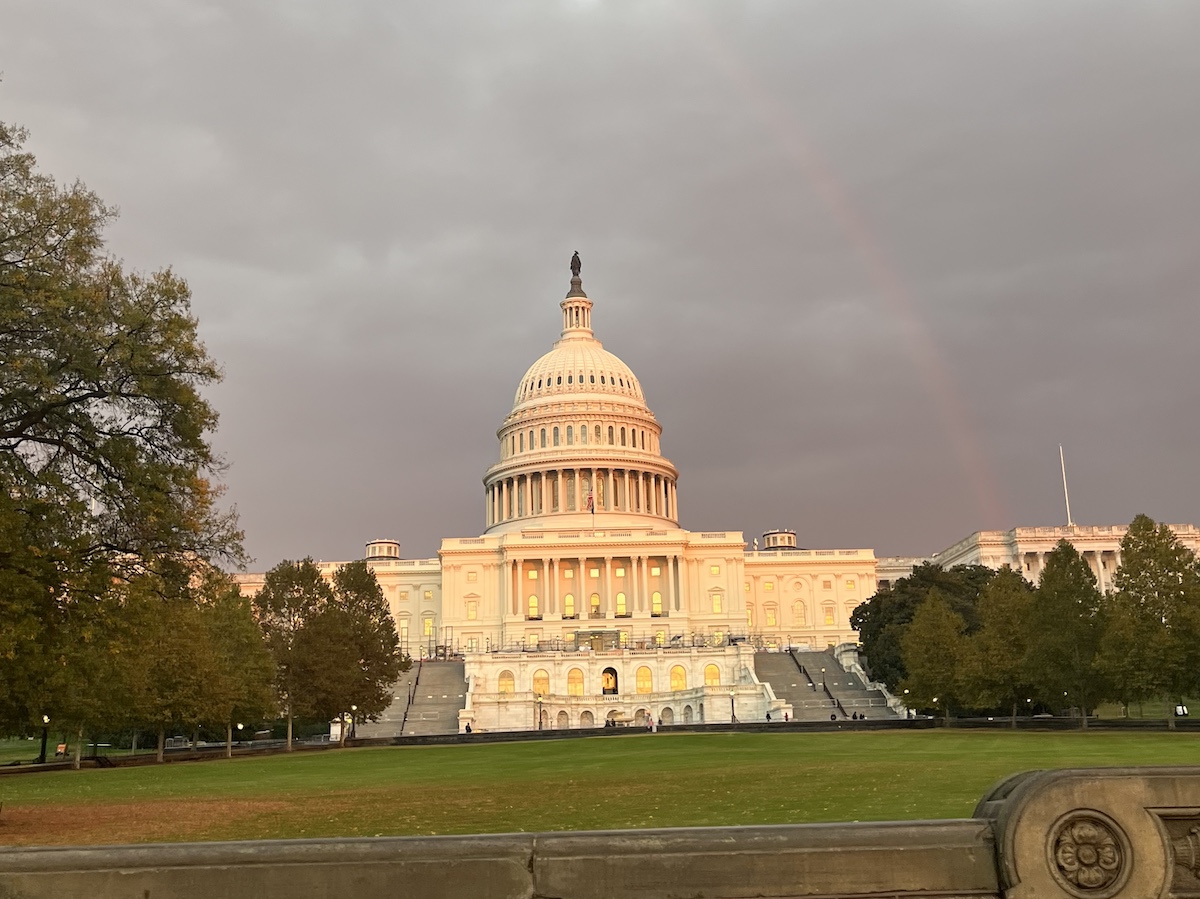
On Dec. 14, a pair of US Senators introduced a bill that aims to provide entrepreneurs with disabilities an initial stepping stone for more visibility and access to resources.
The bipartisan Supporting Disabled Entrepreneurs Act was submitted by Democratic Sen. Jeanne Shaheen of New Hampshire, who chairs the Senate Committee on Small Business and Entrepreneurship; and Republican Sen. Mike Braun of Indiana, a ranking member of the upper chamber’s Special Committee on Aging. It puts forth three major tenets to assist disabled entrepreneurs.
First, it creates a “Coordinator” position within the Small Business Administration’s (SBA) Office of Diversity, Inclusion and Civil Rights. The coordinator would be focused on implementing training programs, providing tech support, reviewing effectiveness and building partnerships with federal agencies for the benefit of disabled entrepreneurs.
Next, the potential legislation would compel the SBA to release of data collected about founders in the disability community, such as lending approvals and access to services, every week. Finally, the bill also aims to collect more data across SBA departments.
People involved in support systems for entrepreneurs with disabilities said that the administration’s current limited data collection is a barrier to creating equitable resources for these founders. According to figures cited by Nikki Powis, a training and technical assistance manager at the K Street-based National Disability Institute, 1.8 million of the country’s 35 million small businesses are owned by people with disabilities. One of the advocacy organization’s 2022 reports says that this statistic comes from the American Community Survey. (Technical.ly was not able to independently confirm this data.) By contrast, the Centers for Disease Control and Prevention reported this year that up to 27% of citizens have a disability.
“So the 1.8 million is only what we know,” Powis said.
She noted, however, that departments and partners of the Small Business Administration could integrate data-collecting mechanisms into existing programs to gather more information. For example, the Federal Reserve System’s Small Business Credit Survey could include a question to represent founders with disabilities, Powis said.
Diego Mariscal is the CEO and founder of 2Gether-International, a DC-headquartered startup accelerator for disabled entrepreneurs. He said that data collection would illuminate the disability community more fully.
“The purpose of generating data is that it will illustrate the magnitude and diversity of the disability community,” Mariscal said.
He cited instances when founders with disabilities were accidentally excluded from certain opportunities because there wasn’t enough visibility about their needs. Mariscal recalled when DC poured millions of dollars into a startup incubator focused on underrepresented founders but did not make it accessible to disabled entrepreneurs by not having enough sign language interpreters.
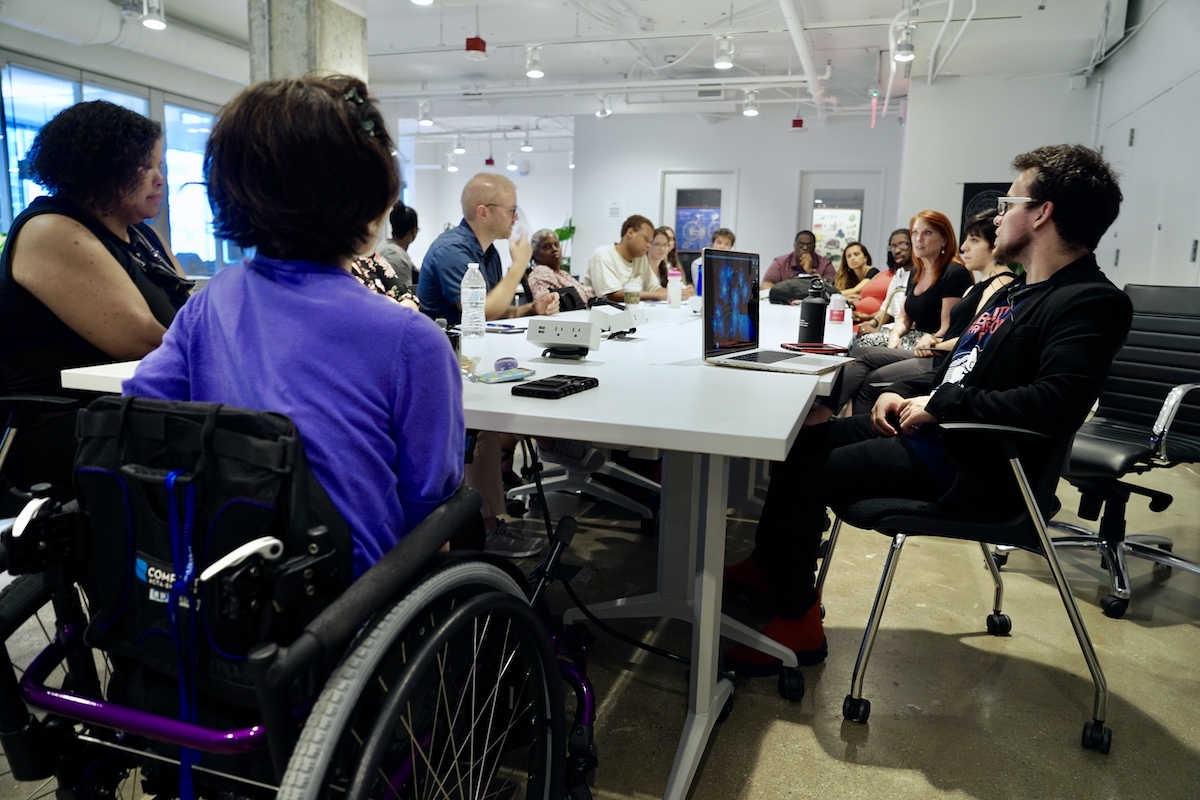
Powis also found that other training programs for entrepreneurs do not account for the need for accessibility, either.
“If I’m going to do a distance-delivered, self-paced, module-based training, and I’m blind, it’s likely that the website is not screen reader accessible, so I can’t get to the content,” Powis said.
Mariscal, who has cerebral palsy, also mentioned that the data collected could empower advocacy for healthcare reform that might help this community of overlooked entrepreneurs.
“Something that is really important and, I think, really unique to the disability community is: Many of us, and I’ll include myself in this mix, rely on government benefits, particularly for health care coverage,” Mariscal said. “There’s a hesitation just becoming a business owner because you’re at risk of losing benefits.”
While the bill puts forth a 180-day timeline for hiring a coordinator, the schedule for its actual passage still needs to be determined.
“We’re eager to see this bipartisan legislation pass and will consider different avenues. Hopefully it’ll come to fruition sooner rather than later,” said Sebastian Roa, communications director for the committee Sen. Shaheen chairs.
The bill has received endorsements from several prominent organizations in both the business arena and disability community, including the National Disability Institute, 2Gether-International, the National Small Business Association, Disability:IN and the National Federation of the Blind. However, the bill still has a long way to go before it gets passed.
Now that the legislation has been introduced, it still needs to be reviewed and amended by a committee and put on the floor for a vote. An equivalent bill in the House needs to be created and passed before being sent to the White House and signed by the President.
If the bill does pass, Powis pointed out, it could change “an entire systemic process” in how the disability community is represented in the small business world.