Startup founders should take advice from Big Tech CEOs the way a kayak takes cues from a cruise ship: same water, different physics. The power, legal insulation and responsibility simply aren’t comparable.
Today’s startupers often have globe-spanning ambition, inspired by digital scale, so they embroil themselves in global conflict. If you don’t want to be a small business, then you might think about acting like a big business.
As ICE raids and street protests spread to more US cities, the humanitarian crisis in Gaza continues, Russia’s war in Ukraine grinds on and the broader international rules-based order frays, it’s a good moment to revisit a deceptively simple question:
One trap founders fall into is assuming that the loudest issue nationally is automatically the one they’re most responsible for addressing.
When, if ever, should startup founders — and other business leaders — speak out on social and political controversies? And when, if ever, should they call out peers?
One trap founders fall into is assuming that the loudest issue nationally is automatically the one they’re most responsible for addressing. Some moments appear unavoidable, saturating headlines, Slack channels, employee group chats and customer expectations.
One philosophy I abide by is that not making a decision is still making a decision.
Divisive topics might be crucial for some, and out of bounds for others. For example, tech firms with staff in Ukraine likely need to share a perspective on the Russian invasion. Startups in women’s health, or even just teams in states with increased restrictions, might rightly put forth an abortion stance. Science firms might sensibly rally against politicized research funding.
Individual leaders may have personal ties to these and other issues. Some barely register in national discourse, yet matter enormously to a company’s narrow but very real interests, whether it’s regional union action or local transit fights.
Founders get in trouble when they confuse “what everyone is talking about” with “what we are accountable for.” Sometimes those overlap. Often they don’t.
Not all injustices command the attention of all leaders at all times. How can entrepreneurs choose?
A six-question checklist before any founder speaks publicly
Ultimately, anyone, including any startup founder or business leader, must decide their own personal goals.
We are first people within a community, and only after are we workers within an economy. Still, these invariably interact. For entrepreneurs, two frameworks can help decide whether, what and when to post: the size of your firm and your relationship to the given political or social issue.

Before drafting a post, statement or all-hands memo, founders should be able to answer all six of these questions clearly and honestly:
- Stakeholder exposure: Are your employees, customers or customers directly affected in their safety, rights or ability to work?
- Business linkage: Is your company implicated through contracts, location, supply chain, policy dependence or prior actions?
- Credibility: Do you have real expertise, proximity or responsibility here? The risk is that you’re borrowing moral authority.
- Actionability: Can you pair words with concrete action within the next month? If not, consider listening or internal communication instead.
- Audience mix: Who actually makes up your workforce, customer base and revenue? Polarization isn’t a failure, but it must be anticipated.
- Consistency and governance: Who decides, and have you handled similar moments consistently, or will this feel selective or performative?
Speaking publicly, sharing internally and not saying anything formal are all options. Now, consider how these interact differently depending on the size and scale of the business.
Small and early-stage startups
Speaking out is mostly about talent, culture and early brand development. Internal memos often matter more than public posts. For small and new firms, individual founders themselves are an organization’s voice.
Mid-size, scaling companies
The biggest risk is values drift: saying one thing, doing another. If you speak, pair it with at least one operational commitment. Employees are watching for follow-through, not rhetoric. Also, with more customers comes a greater chance at costly mistakes.
Large companies
You’re managing multiple stakeholders at once. Collective action (signing onto industry letters, joining coalitions) often reduces blowback. Governance clarity — who speaks for the company — becomes essential. Whole teams are assigned to weighing the costs and benefits of public statements, because you will intersect with an ever growing number of social and political issues.
For example, an early-stage American startup may only have a stance on Israel and Gaza if its founder has a personal commitment. A large company will almost certainly have something resembling a stance, be it public or not, and mid-size firms will range.
As the Trump administration enacts its campaign promise for “mass deportation” via an expanded Immigration and Customs Enforcement and Border Patrol forces in a growing number of cities, entrepreneurs can expect to be confronted.
Sixty corporate CEOs in Minnesota recently signed a letter (collective action) criticizing ICE’s deployment in Minneapolis, following the high-profile deaths of two US citizens. Starting with big firms, advocates are collecting public support for an anti-ICE action among tech leaders. Within the Twin Cities startup ecosystem, individual startup founders have spoken out too, but fewer early-stage companies themselves have issued “statements.”
Perhaps lessons were learned years back.


What summer 2020 taught, and what it didn’t
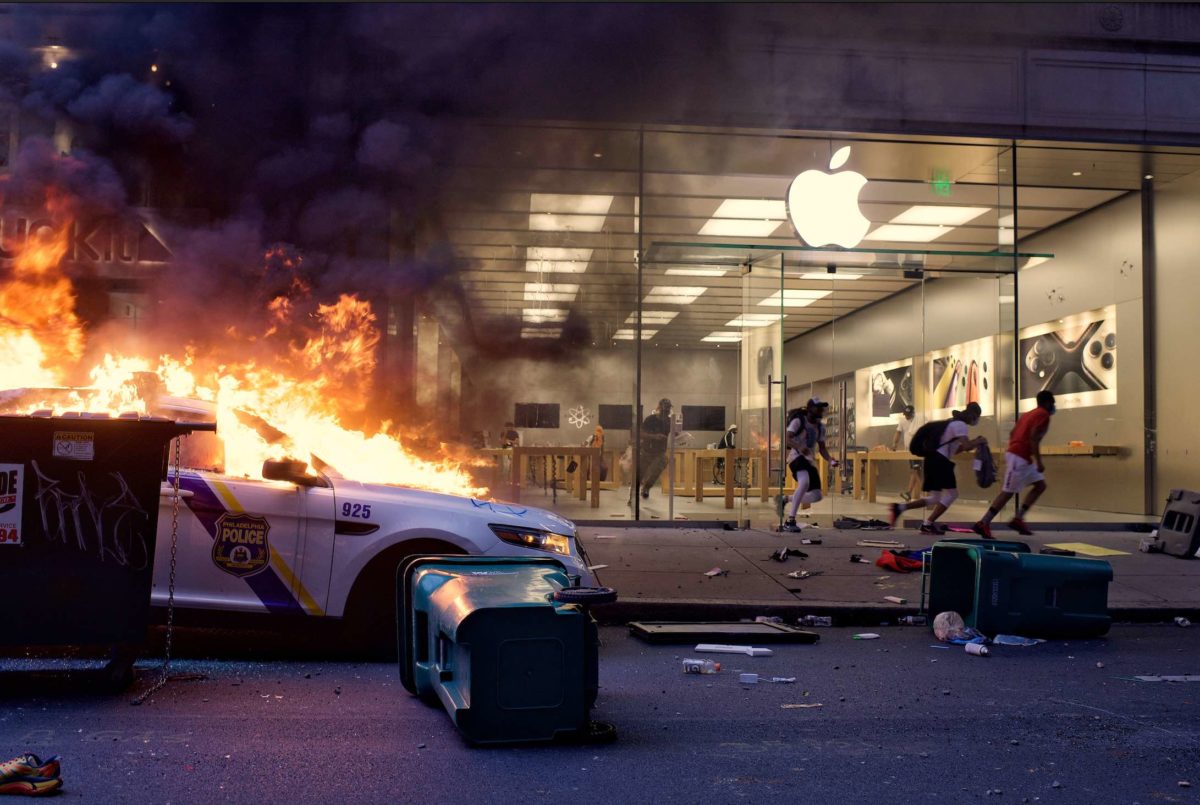
Already on the rise, demands for public statements from business leaders surged during the summer 2020 racial justice protests. At the time, I largely agreed with that pressure, and I was part of it.
I argued that silence from organizational leaders wasn’t neutral, it was a choice with consequences. By summer 2021, I wrote: Tech CEOs have nowhere to hide. Racial and social inequity in the United States felt squarely relevant to all American employers, including early-stage startups.
The George Floyd protests were a defining stress test for this generation of leaders. They exposed how many companies had no real decision process for social issues — just a nervous, reactive PR reflex.
They also taught employees and customers to look past language and toward action:
- Who changed policies?
- Who changed hiring?
- Who quietly moved on once attention faded?
But the lesson was not that every issue demands equal response from every leader. The lesson was that speech without responsibility collapses trust. Silence without reflection can do the same.
The question is no longer “Should we speak?” It’s “What are we responsible for, and are we prepared to act on it?”
The bigger the company, the more exposure to conflict. Regardless of ambition, for startup founders, restraint can be a virtue. Don’t confuse volume with leadership.