

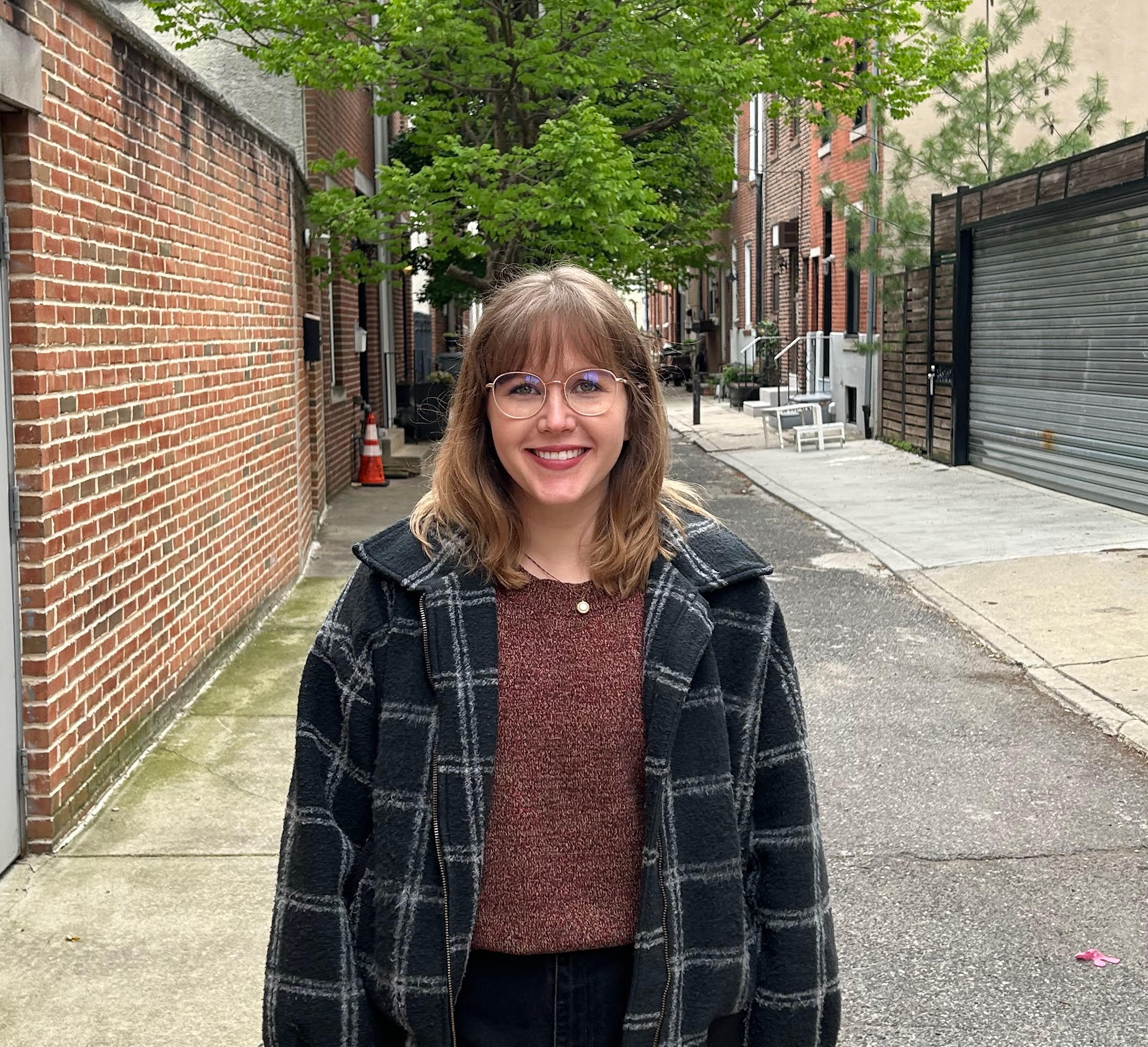

Beth and Jeff Gusenoff are used to solving problems together.
The husband-and-wife duo, who work as University of Pittsburgh professors of podiatry and plastic surgery, respectively, have been teaming up for years to tackle pain points they’ve encountered in their operating rooms. That collaboration has made them leading experts in foot fat grafting — injecting fat into the foot to alleviate pain — and, more recently, repeat founders.
“The Pittsburgh community in general has such an innovative and entrepreneurial spirit. The people here really want to see you succeed.”
Beth Gusenoff, Podiatrist and startup founder
“Together we love to problem solve,” Beth told Technical.ly. “Dinner conversations would turn into different solutions [for our patients], our favorite show was Shark Tank, so I think we’re just going with the adventure that’s been presented.”
One of those adventures has been PopSole, a shoe insert with air-filled compartments that can be popped to relieve pressure in certain areas of the foot. What began as an experimental arts and crafts project has grown into a product with over 1,000 units sold, made by a Butler County manufacturer.
At the same time, the couple is developing Push2Spin, a device that removes, stores and processes fat. Normally, fat-grafting surgeries require medical professionals to go through a lengthy, messy process to manually remove and separate fat from oils, blood and other impurities. With Push2Spin, though, that entire process is completed within the device, according to the Gusenoffs.
Both companies are growing rapidly, and the couple was recently named Pitt’s 2025 Emerging Innovators of the Year. The Gusenoffs have raised a $1.2 million seed round for Push2Spin and are preparing the device for FDA approval. Meanwhile, they’re developing the next version of PopSole and exploring nationwide distribution. And, that’s on top of their continued work at Pitt and raising a young family.
In this edition of Technical.ly’s How I Got Here series, the couple shares how they’ve worked together to launch their products, what local resources have helped them the most and how they juggle a young family with multiple jobs.
This Q&A has been edited for length and clarity.
How did you make the jump from building products to commercializing them?
Jeff: When you start to come up with an idea, you can instantly see the commercial potential of it. From the very start, you think, “Oh my gosh, this could impact so many people. This may be the Shark Tank moment, the thing that could be a game changer for us.”
At Pitt, they teach you a lot about commercialization. You do customer discovery. You ask a lot of questions, and then that starts to build a case for the commercialization of the product.
I think we knew with Push2Spin that it was immediately going to have commercial interest. That’s been evidenced by our seed raise and getting a lot of key opinion leaders on board and investors in the product.
For our PopSole device, that’s something we thought we could just bootstrap ourselves and get it to market. We did the background work on it. We did the same sort of commercial validation of the product, and then built the prototypes and did the clinical trial. People really loved it and didn’t want to give it back.
We launched it and decided to pull it out of the university and sell it online, so we could get some further validation of it by seeing who’s purchasing it, who’s benefiting from it. We’ve gotten feedback from people on different ways to use it in different indications, so the commercial benefits of it really continue to evolve over time, even after launch.
What resources have been most helpful in launching your businesses?
Jeff: Initially, we used a lot of little seed grants to get prototypes off the ground. Pitt’s Center for Medical Innovation offers grants, which are small, but they also provide some education.
There’s also the Pitt Innovation Challenge through the Clinical and Translational Science Institute (CTSI). We’ve been very lucky to receive several awards, and that also helped with prototyping and even clinical trials. There are also society grants that we’ve received from the Plastic Surgery Foundation that are helpful.
The university helps connect you with a lot of networking events through CTSI and the Innovation Institute. Once you’re out of the university, it makes it much easier to engage with organizations like Innovation Works or LifeX.
Beth: The Pittsburgh community in general has such an innovative and entrepreneurial spirit. The people here really want to see you succeed. We have met people from Carnegie Mellon, the University of Pittsburgh, or just the community at large, who, when they meet you, they’re like, “How can I help you?”
How do you balance your work as startup founders with your other responsibilities?
Beth: Days are long. We’re very fortunate to be married and live together, so business stuff may be happening in the morning over breakfast.
Then there’s the day job. Pitt Plastic Surgery has been very supportive and wants our innovation to succeed, so in between work, there’s time to do research for that.
And then, of course, there are many meetings after work, and we include our family in that. For example, with PopSole, we have our kids coming up with different marketing ideas or helping with social media.
We have a partner with our Push2Spin device who’s on the West Coast, which makes it easier to do after-work meetings because it’s three hours earlier there. I guess we always love to create and think outside the box, no matter what we’re doing. So when we go on vacations, we’re taking our devices with us and finding different ways to make social media posts and come up with marketing ideas.
Jeff: It’s maximal efficiency. Between surgical cases, it’s following up on emails on the business side. Nights and weekends are busy. It doesn’t really end. And then, Beth is CEO of the household, so she’s got the family to manage as well — getting the kids’ lunches together, getting the kids to bed, but it all seems to get done.
Beth: There’s a lot of multitasking. While we’re doing one thing, we’re also brainstorming. It keeps things exciting.
What advice would you give others considering starting a business with their spouse or family member?
Beth: I’ve never viewed it as difficult. I feel like Jeff and I, from the start, have always been a team.
I don’t think that I would ever need to even put a time limit on the amount of time that we work together. The key is communication. You have to make sure to keep the communication lines open.
Also, you need to be conscious of timing. If there’s a lot going on in Jeff’s plastic surgery world, it may not be the correct time to pose a huge, challenging question about one of our companies.
And, make sure to insert a lot of fun and adventure. Jeff is the one who’s always planning fun family events or travel, because you need to make sure you get a break from it all so that you can reenergize. It’s important to remember where it all began.
Jeff: My recommendation would be to go for it. You need to make sure you have a solid foundation, but if you do, then you know no one is going to support you — or be a stronger advocate for you — than your significant other. Working together can be challenging sometimes, but it also gives you perspective because you’re in it together.


