
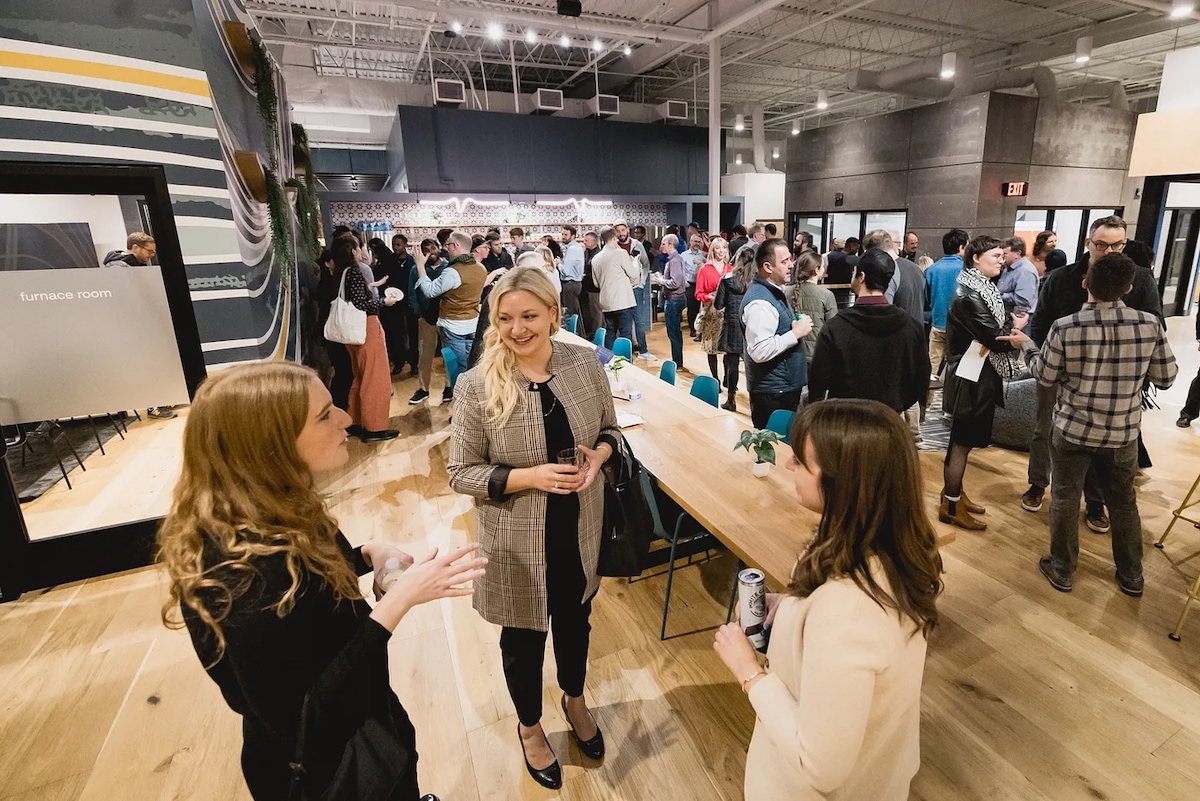
Venture for America (VFA), a fellowship program that connects college graduates to startup jobs, recently held a coworking day at OneValley in Pittsburgh. As someone who plays a role in the local entrepreneurship ecosystem, I took the opportunity to do a vibe check on what the fellows thought of Pittsburgh’s young tech scene. Through these conversations, I gained insight into why budding tech talent may be leaving Pittsburgh for the coasts.
The first VFA fellow I spoke to was Emma Dawson, director of strategic initiatives and partnerships at Civic Champs. Here is a breakdown of the conversation: I asked, “How well do you think the Pittsburgh tech and entrepreneurial ecosystem caters to young people?”
“I’ve enjoyed the quantity of events,” Dawson said. “… However, there feels like a lack of active inclusion for young people. … When I walk into a room, sometimes it feels like people don’t see the value in engaging with younger startup leaders. We’re hungry to get involved but we need people from all backgrounds to make space and understand that we also have things to bring to the table.”
I received similar feedback from other fellows:
“I have a little bit of an access point because I’m a part of VFA, but if I weren’t, I’d have no idea how to get started,” said Matthew Fraijo, a fellow at Revival Chili.
“It feels a little hard to break in,” said Sylvia Cummings, also of Civic Champs.
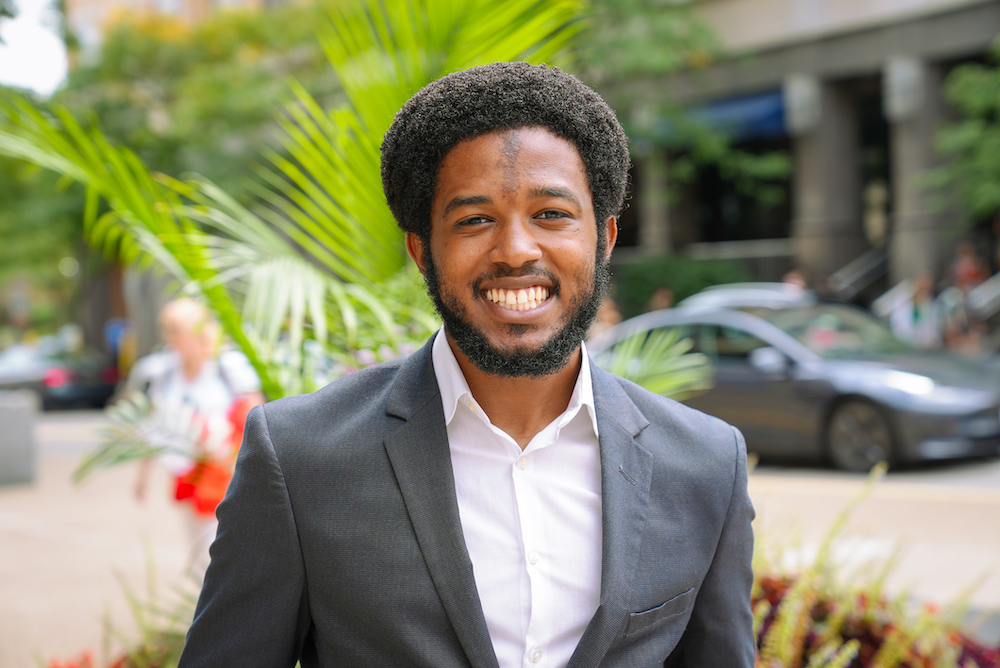
I wanted to dig deeper and learn about the Pittsburgh tech ecosystem from a founder’s perspective. I reached out to Wilson Morse, cofounder of Green Bean, who has had a great experience in Pittsburgh as a Gen Z founder.
“The beauty of the Pittsburgh tech scene is that it’s a relatively small, tight-knit community that is easy to navigate for a young tech worker trying to build a network,” Morse said.
He believes that the numerous companies that have spun out of Carnegie Mellon University and the University of Pittsburgh have helped people realize that Gen Z founders can be the real deal.
Throughout my interviews, it seems like the Pittsburgh tech scene makes it easy to navigate and build community once you’re in it. On the other hand, the barrier to entry feels really high for those who are coming from the outside and aren’t founders.
My colleague Rena Zhang, strategy and operations manager at Avenu Workspaces, believes the standard atmosphere at these networking events falls short in fostering meaningful connections, and she is determined to make positive change.
“I recently experienced this at a happy hour event,” Zhang said. “I walked into a room that was packed full of people talking loudly which made it difficult to move around and even hear the person I was in conversation with.”
Zhang is working on creating a community of Gen Z entrepreneurs and tech professionals through hosting events at Avenu Workspaces.
“I believe that the current state of events could benefit from a more comfortable and inclusive ‘vibe,’ and I’m confident that we can be the catalysts for this change,” she said.
As someone who attends these events on a weekly basis, I believe that the young tech movement is mainly concentrated on the student population. For young professionals and founders already in the arena, there’s not much of an established community or space for them. I’m lucky in that I feel comfortable making space for myself in rooms that look nothing like me.
However, for Pittsburgh to maximize the young talent it’s blessed to have, it can’t rely on people having to overexert themselves. Even in a city that is statistically diverse, many spaces don’t reflect that diversity, and it takes intentional effort to make people feel welcome. On our end, we’re looking to take on that challenge by providing a space for the next generation of tech in Pittsburgh.
If you want to join us, contact Rena Zhang at rz@pittsburgh.id or Charles Mansfield at cm@innovatepgh.com.