This commentary comes from Daniel Waldman, the founder and president of Evolve Communications, which helps small to mid-sized agencies grow their business through white-label digital marketing and public relations services. This is a guest post. Have an opinion, attend an event or want to share perspective with our community? Email us at info@technicallybaltimore.com.
###
It’s sexy and exciting to be in a startup these days. The world is on the lookout for the next big thing, and there are thousands of startups out there who want to be it.
Here’s the rub: Too many startups are losing sight of what it means to be a startup. They’re working long, long hours buried in code, building half-baked products that don’t really solve any problems. They’re racing to reach that quintessential pivot that they forget to properly test and support their original idea. They’re rabidly chasing funding (important in some cases, but not always necessary), and missing opportunities to become revenue-generating businesses.
It’s easy to get swept away by the romance of becoming the next big thing. But even before a startup thinks about becoming the next Facebook, they need to focus sharply on business fundamentals, both for their products and for their business model.
Even when starting to build and test a product, startups should remember to build and test a business model. Like any business, startups need to understand their market, their customers and build a plan for developing longterm relationships with them. This doesn’t have to be a financial relationship, though that could win you points with investors. But, it does have to be a relationship based on an exchange of value.
Not all startups are going to be Instagram. Even fewer will be Facebook. For every story like these, there are probably hundreds if not thousands of stories that ended quite differently—for better or worse. Even Twitter is just becoming profitable after six years in business. As of this writing, Groupon’s shares are in the toilet.
The truth is that it’s not about the technology. It’s about the relationship with the people who use the technology and the value that relationship brings. The truth is: it’s not a startup, it’s a business.
Yes: Follow your passions; Yes: Work on things that excite you. But work hard—really hard—on aligning your passion and excitement with something that is sustainable and can thrive because people love it. Once that’s done, the financial part becomes easy (or easier at least).

Join the conversation!
Find news, events, jobs and people who share your interests on Technical.ly's open community Slack

Baltimore daily roundup: Find your next coworking space; sea turtle legislation; Dali raided and sued
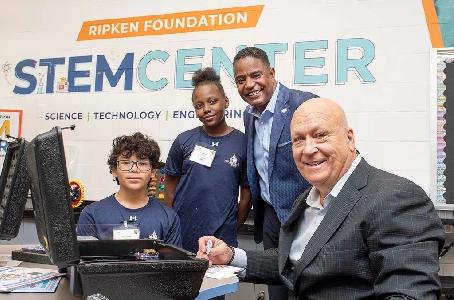
Baltimore daily roundup: Johns Hopkins dedicates The Pava Center; Q1's VC outlook; Cal Ripken inaugurates youth STEM center

Baltimore daily roundup: Scenes from an epic Sneaker Ball; Backpack Healthcare in Google AI accelerator; local tech figures' podcast