• Young-graduate unemployment is genuinely high, but the rise is driven by a frozen hiring market and more job-seekers, not AI layoffs. It’s a stuck economy, not a robot takeover.
• AI’s real fingerprints are narrower and stranger: Computer-science grads carry one of the highest jobless rates of any major even at top pay, just 18% of jobs are thought to be at high near-term automation risk.
• Entrepreneurship is a risky answer in a downturn, but a new study of IRS records finds those who try self-employment out-earn payroll peers over a lifetime.
I graduated into the Great Recession. At peak, 1 in 10 Americans were unemployed.
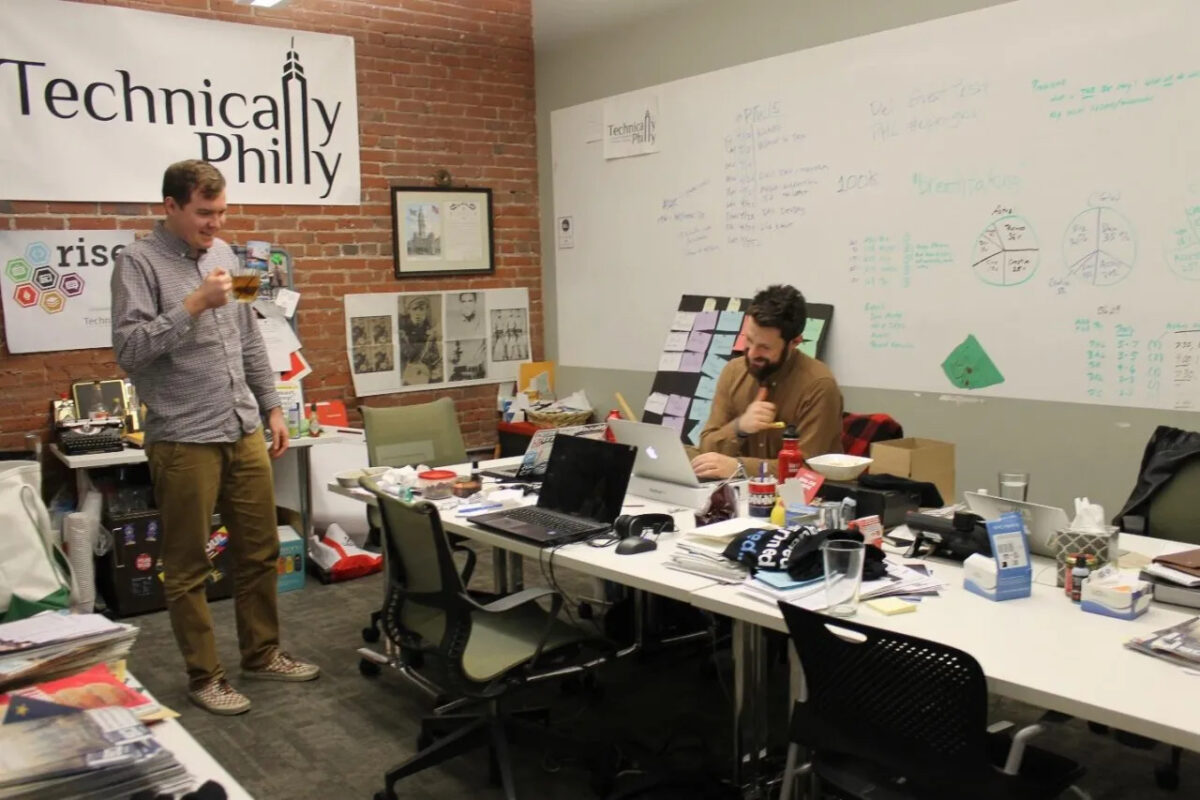
Seeing no future in my plumbing side gigs and witnessing shrinking newsrooms, I launched with friends what became Technical.ly. Not out of confidence but out of fear; less a disruptive entrepreneurial pirate ship than an anxious lifeboat with a blog template.
Seventeen years later, I keep meeting versions of 20-something-me: Fresh degree, no offers, assembling gigs to cover the phone bill. This presents an inevitable question with no comfortable answer: who actually had it harder — my cohort in 2008-2009, or today’s?
Back then, a degree still gave you better odds at a job than someone older without one. Today that’s flipped.
The answer matters, because the wrong diagnosis leads to the wrong advice. The right one says plenty about how our economy is changing.
At every barbecue this summer, the explanation for a tough job market is likely one word: AI. It’s the easy story. It’s mostly not the true story — not yet at least.
Start with what’s real. The market for young graduates is genuinely weak. Underemployment of recent college grads was at 42% this spring, per the New York Fed, the highest since the pandemic year of 2020. That’s roughly 2 in 5 of every American aged 22–27 working a job that never required their degree. Bad as that sounds, the underemployment figure was higher after the recessions in 1990, 2001 and, yes, 2008–2009.
What’s different now is who’s out of luck. At last count, recent-grad unemployment was at 5.6%, continuing a new trend for that rate to be above overall unemployment. Back when I graduated, a degree still gave you better odds at a job than someone older without one. Today that’s flipped. The college wage premium is shrinking, and it’s a tough time to be young and looking for work, no matter what your credentials are.
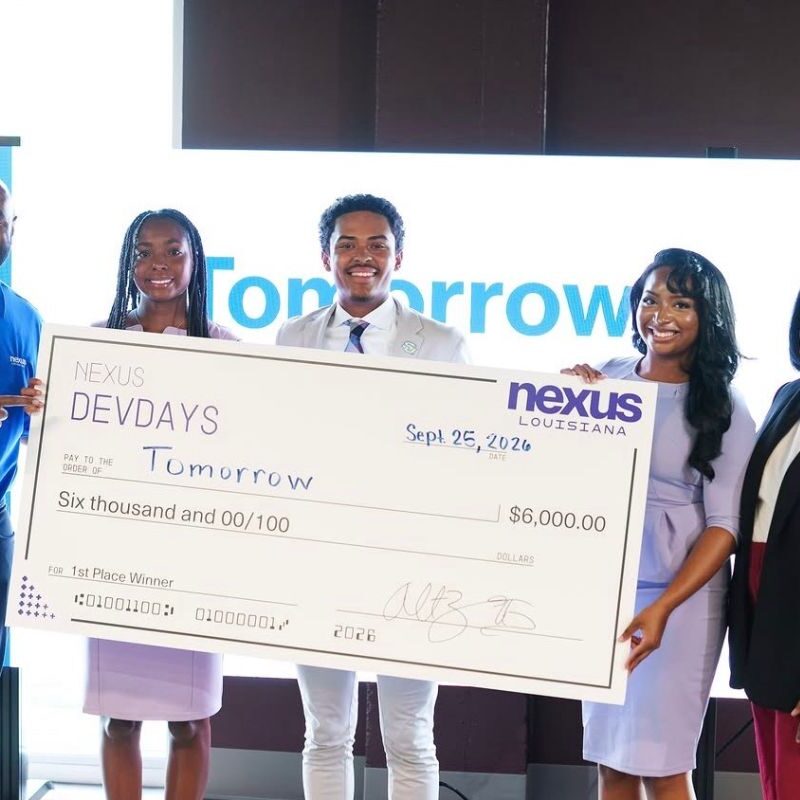
Rae’Mah Henderson, who supports startup investing in her native Alabama, is my 20-something cohost of Builders Live, a podcast focused on local economic development. She knows the job-hunt plight of her peers.
“I’ve been hearing a lot of creative things,” Henderson said. “Somebody sending in donuts with their résumé attached. I’d probably have yard signs with my résumé by now.”
Must be artificial intelligence right? Friends, I already won a bet showing that AI isn’t replacing software developers (and doubled down for next year), don’t make me do it for entry level jobs too.
Look at why. The Economic Policy Institute found that nearly all of the recent rise in young-grad unemployment came from more young people looking for work — a swelling labor force — not from job losses. Another paper argued the rise of remote work may have increased young unemployment more than AI. Better yet, today’s recent US college grads come from more diverse socioeconomic backgrounds, so fewer of them are able to sit out a tough job market via grad school or European backpacking.
Firms aren’t firing young workers so much as they’ve stopped hiring anyone. Indeed put a finer point on it: in May, 49% of applications from workers with a decade of experience were for entry-level jobs. The rung new grads are reaching for is crowded with people climbing down to it. Something similar happened to my elder millennial peers and I amid a global recession. Today’s young people are confronting it while other portions of the economy continue to boom.
AI’s ‘jagged frontier’ applies to hiring, too
That’s not a robot story. It’s a frozen-elevator story — the same post-pandemic economy that stopped moving a couple years ago, still stuck, now with a bigger crowd waiting.
“When everybody is frozen, there’s a chance to move,” said Victor Hwang, the founder-CEO of pro-entrepreneurship advocacy group Right to Start and another Builders Live cohost.
Americans certainly hear plenty about AI. The data center infrastructure buildout is real, if widely loathed. OpenAI just announced a major cybersecurity breach, and Anthropic followed by saying ‘me too.’ So where is AI actually affecting local job markets?
OpenAI’s economics team this month mapped more than 900 occupations and argued only 18% of US jobs are at high near-term automation risk, against 46% facing little immediate change. To be clear, 1 in 5 jobs is still a stunning figure. But the “jagged frontier,” as it has been called, means we will not all experience this emerging technology’s effects at the same time.
AI’s real fingerprints show up in narrower places. Much to the surprise of many, computer science graduates now carry one of the highest unemployment rates of any major, around 7% to 8%, even as they still command the highest starting pay, about $87,000. But the comp-sci grad’s underemployment rate remains one of the lowest. Turns out if you spent years studying a field sold as the safe bet, you’re less likely to take an unloved alternative.
That strategy might make sense. As I reported this spring, software job openings actually rose a rapid 14% year over year, much of it from non-tech companies building in-house. That OpenAI occupation mapping argued that AI could even boost the need for software developers to oversee this new generation of software tools. The work isn’t vanishing: Employers are navigating political instability and economic volatility while waiting to see how a generation-defining technology will shift their workforce needs.
There’s an upside signal, too. Entry-level workers with verified AI skills are earning about 25% more than peers without them, a Randstad analysis of 35 million job postings found. That’s a vendor’s read of listing language, not a controlled wage study, but it’s a demand signal all the same.
Right now AI looks less like the thing taking the entry-level job than the thing reshaping it, and rewarding the workers who show up fluent. (Insert every LinkedIn influencer’s 2023 song of the summer: “AI won’t take your job, but someone using AI will.”)
Better to be the disruptor than the disrupted
Another unforgiving labor market asks: Is entrepreneurship the answer?
Young people certainly think so. Half of Gen Z Americans in one survey said they have or are considering their own business, double the rate of adults overall.
Saying and doing are different, of course. Economic pessimism doesn’t reliably produce more entrepreneurs. Historically we start companies in boom times, not busts; Airbnb and Uber are famous as in-recession starters because they’re the exceptions. What downturns produce is necessity entrepreneurs — people who, you know, do things like launch a fledgling tech news site because they can’t find work.
Today’s difference is that, as Technical.ly has reported again and again, rates of new firm creation are in a years-long surge. Business applications are up roughly 50% over pre-pandemic. But two-thirds of new “businesses” likely never hire, and the median independent contractor earns about $12,500 a year.
Telling a scared 23-year-old to “Just start something” can sound like “Pound sand.”


If artificial intelligence isn’t yet primarily responsible for low hiring, it is already affecting new firms. Will AI be better for entrepreneurs or incumbents? For now, young people are better off being the disruptor than the disrupted. That usually pays off.
Turns out people who try self-employment earn far more over a lifetime, per a new National Bureau of Economic Research study (built from sturdy IRS tax records, not small surveys). It found self-employers earn about $134,000 a year by age 55, versus $79,000 for similar peers who stayed on payroll. It doesn’t pay in the short run, when you’re scared and can’t make rent. It pays over decades. And the entrants, contrary to the misfit stereotype, tend to come in with more experience and higher prior earnings, not less.
So who had it harder? My cohort fell into a deeper hole, the data are clear. But that might have been the last collapse of a different, still familiar world. Today is stranger: a frozen jobs market, suicidal politics and technology portrayed villainously.
“When you’re in a liminal place like society is right now, it’s a time to create,” my cohost Henderson said. “Whatever dreams you’ve been too scared to pursue because you’ve been busy in class, now is the time.”