If you look at the current landscape of artificial intelligence, you might assume the only place to build the future is inside a glass tower in Silicon Valley.
But the reality of AI in 2026 is shifting. The next massive leap in software isn’t going to come from theoretical computer science; it is going to come from founders who understand the gritty, operational reality of how real businesses actually run.
Building from Western Maryland, I have seen technology from every angle — from the hardware desk at Geek Squad and years spent navigating mobile device sales, to driving business development and selling cloud infrastructure at GoDaddy.
And I believe we are currently facing a “connective tissue” crisis in tech.
The ‘blue-collar’ reality of tech
A lot of AI development today is disconnected from the operational realities of the end-user.
As someone who spent years fixing the hardware that crashes, managing mobile endpoints and selling the infrastructure that doesn’t always sync, I have learned that the biggest bottleneck for modern businesses isn’t a lack of AI tools — it is the lack of a unified system.
Founders and operators are exhausted, forced to act as the manual connectors between a dozen different, disjointed apps. We have moved from simple hardware repair to managing complex digital ecosystems. And yet, the tools we use to manage that digital friction remain remarkably primitive.
There is a stark contrast between how Silicon Valley views AI and how the rest of the country uses it. The Valley often builds through a highly theoretical lens, pushing out AI that drafts emails or answers trivia.
But in places like Western Maryland, business is built on execution. Tech implementation here is tactical; it needs to drive revenue, cut overhead and provide actual, tangible utility.
This is the shift I am arguing for in 2026: The most successful AI tools of the next few years will not be the ones with the flashiest LLMs, but the ones built by operational veterans who understand how to close the gap between software and everyday business utility.
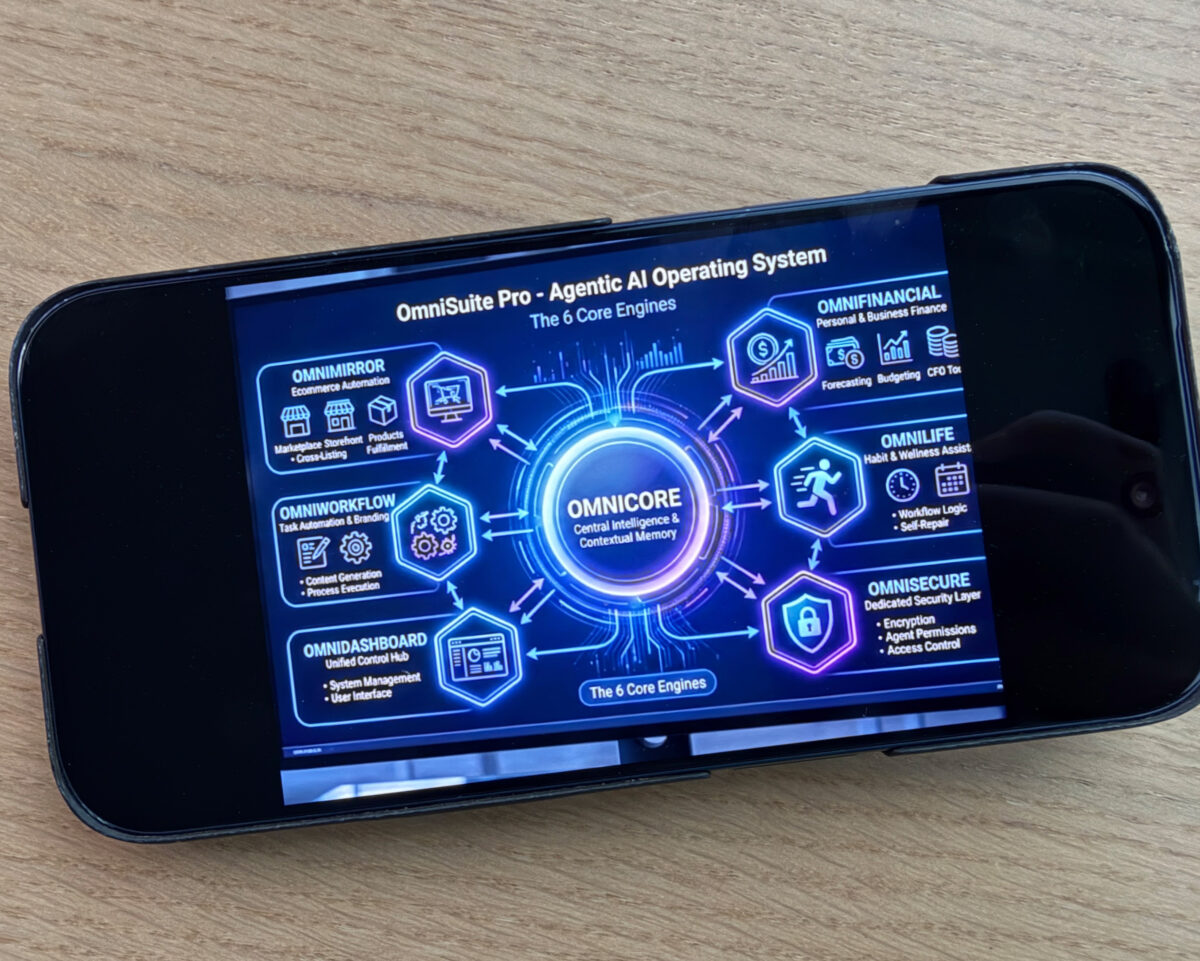
We need to move toward “agentic” systems — tools that don’t just chat with us, but perform the boring, repetitive work of managing business logic autonomously. The goal shouldn’t be to build more AI subscriptions; it should be to build systems that automate the administrative overhead that keeps solo-founders and SMEs from scaling.
Why Hagerstown is a strategic advantage
With Technical.ly’s 2025 expansion highlighting every corner of the state, it is clear that Maryland innovation is no longer geographically locked.
My staying in Hagerstown was a strategic decision — not just a personal one.
Being away from the VC echo chamber forces you to build lean, functional and efficient systems from day one. When your focus is on solving the digital friction of a small business rather than chasing the latest hype cycle, you build architecture differently. You focus on zero-latency data recall, enterprise-grade privacy and execution logic that actually saves time rather than adding more administrative burden.
The next wave of AI isn’t just about who has the biggest computing cluster. It is about who can bridge the gap between advanced technology and the realities of running a business.
From where I sit, the blueprint is clear: Stop building “smart” chatbots, and start building capable systems that actually work for us.