
This story was made possible through support from TEDCO, the Maryland Technology Development Corporation, which enhances economic empowerment growth through the fostering of an inclusive entrepreneurial innovation ecosystem. TEDCO identifies, invests in, and helps grow technology and life science-based companies in Maryland. Learn more at tedcomd.com.
Startup profile: UfarmX
- Founded by: Alexander Zanders, Andrea Kamara, Dean Iwuchukwu, Segun Fagbami
- Year founded: 2019
- Headquarters: Columbia, MD
- Sector: Fintech
- Funding and valuation: $1.3 million raised at an undisclosed valuation, according to the company
- Key ecosystem partners: TEDCO, Techstars, Black Ambition, Jedar Capital, North Central Agro-Input Dealers Association
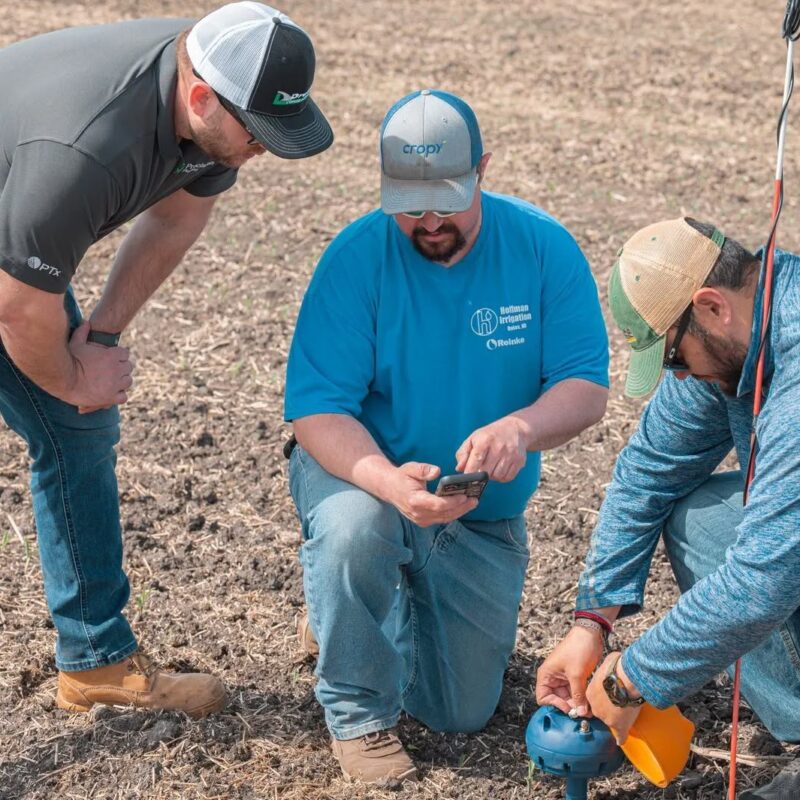
Farm supply shops can be more than places to buy seeds and fertilizer. For many African farmers, they are also trusted sources of advice and key connections in the community.
UfarmX’s software is testing whether that trust can carry over into credit decisions.
The company operates in Senegal and Nigeria and plans to expand into Kenya by the end of 2026.
The Columbia, Maryland-based startup is building a financing platform for shop owners who want to let farmers buy supplies on credit. It reviews farm details — including crop type, farm size and proximity to markets — to help predict whether a farmer is likely to repay.
UfarmX first tested the idea by financing farmers’ purchases directly and earning money from those credit deals. Over time, the company shifted its model after studying repayment patterns and finding that its data could prove to be its most valuable asset.
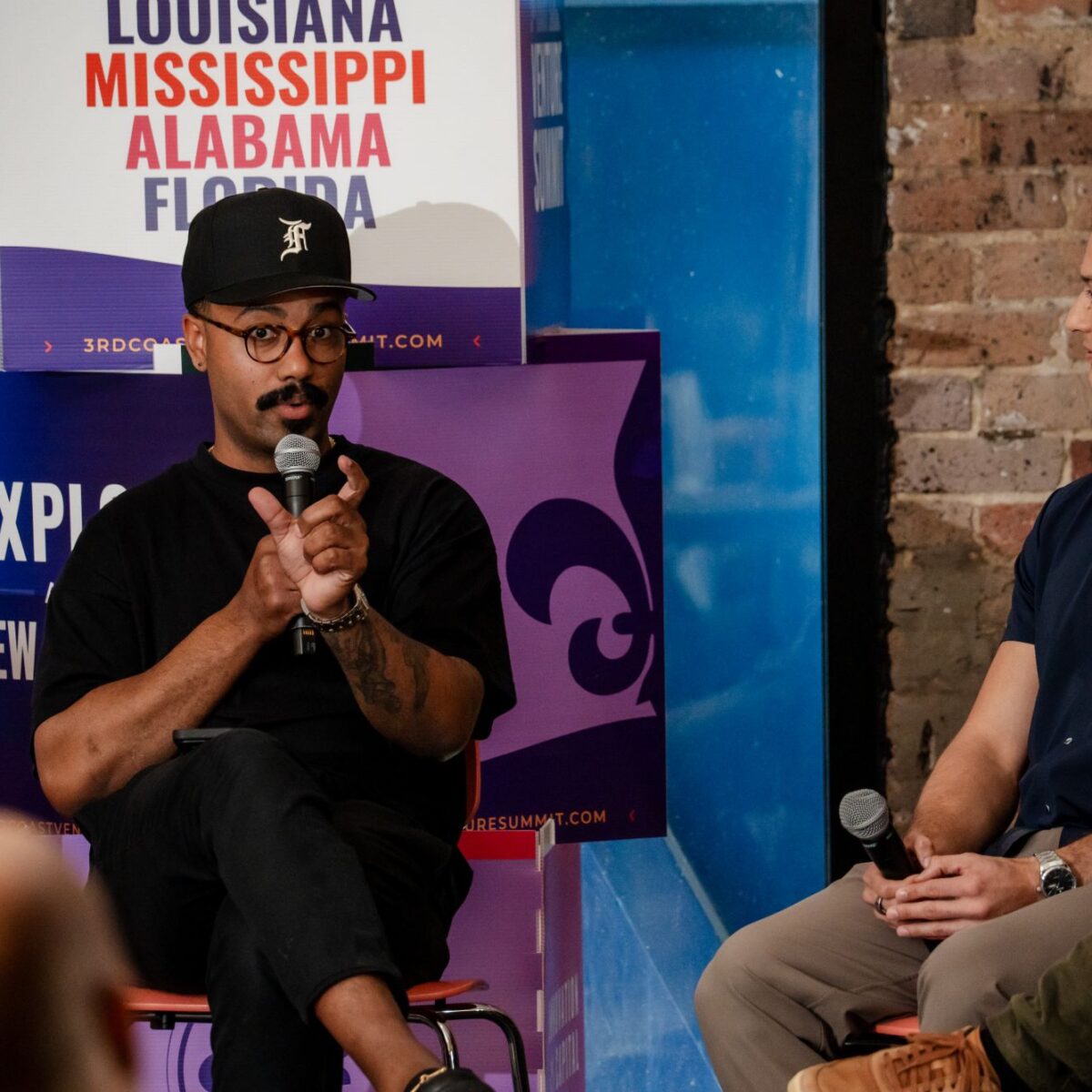
“We started noticing constant themes within the data itself that differentiated the farmers that were able to successfully repay versus not,” CEO Alexander Zanders told Technical.ly.
The idea sprang from Zanders’ own experience farming in Nigeria. During the pandemic, the Maryland native bought 100 acres in his family’s homeland. After his first harvest, he noticed his yields were significantly higher than those of nearby farmers.
The Temple University finance graduate wasn’t trained in the farming profession. So, he spoke with locals and determined the difference came down to resources. Agriculture employs a majority of workers in sub-Saharan Africa, but smallholder farmers still face limited access to formal credit, according to development finance data.
“These farmers didn’t have the same access to drought-resistant seeds and fertilizers that we did on our farm,” Zanders said.
To test his theory, Zanders ran a pilot with maize farmers in Nigeria. The results helped lay the groundwork for what became UfarmX.
Plans to expand in 2026
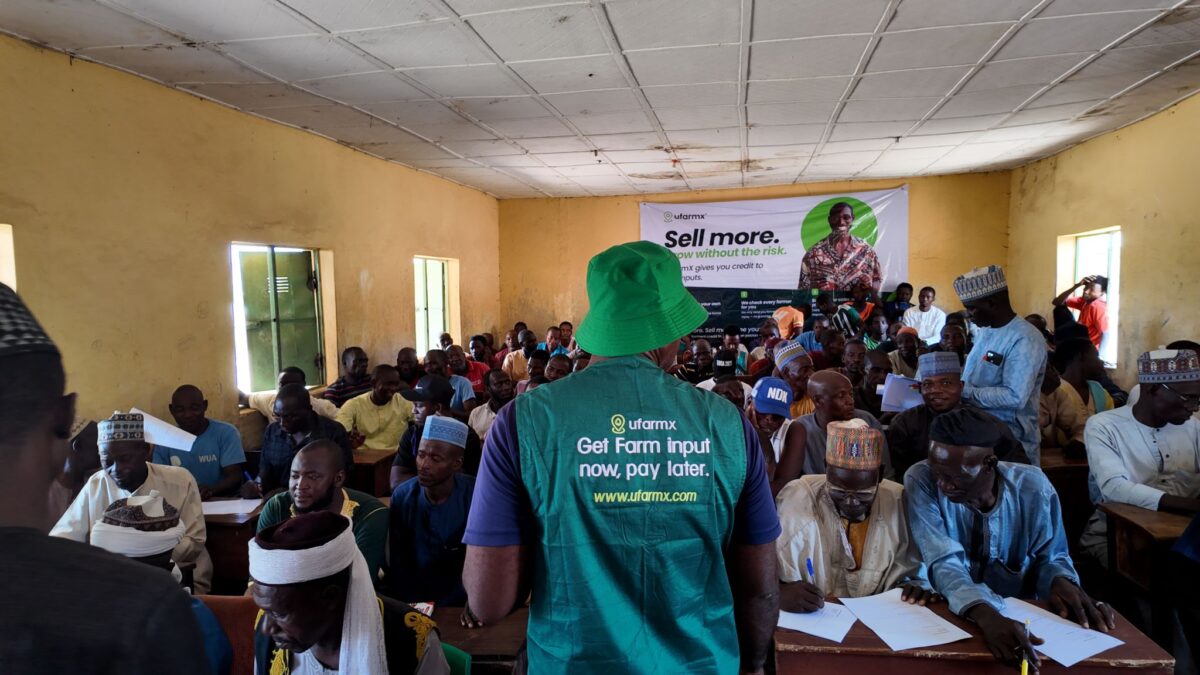
UfarmX has onboarded more than 10,000 farmers to its platform and works with 72 retail partners, generating revenue through transaction fees and interest rate spreads.
The company operates in Senegal and Nigeria and plans to expand into Kenya by the end of 2026.
Farmers apply for credit in person at local shops, where they complete a survey that the platform processes. The system then generates a score from one to 10 to help guide the retailer’s lending process.
If approved, the system also recommends repayment terms based on the farmer’s profile and risk level. Retailers can then extend credit for seeds, fertilizers and other supplies to support farming operations.
“Some farmers that have lower credit scores may have to pay a deposit,” Zanders said, “and then their repayment terms may be weekly versus post-harvest.”
The platform also gives shop owners some protection if a farmer does not repay.
If a farmer defaults, UfarmX covers 80% of the loss through an insurance partner, with a software fee used to fund the premium.
The company reports a default rate of around 9% across its loans. For comparison, an IFC report found that 14.5% of small-business loans in Africa were considered troubled, meaning borrowers had fallen behind on payments.
“Banks simply don’t know how to lend directly to smallholder farmers on the continent,” Zanders said. “They lack credit histories. They lack collateral. But we want to help solve the problem.”