The University of Baltimore (UBalt) is digging into how people across the city use AI in their daily lives.
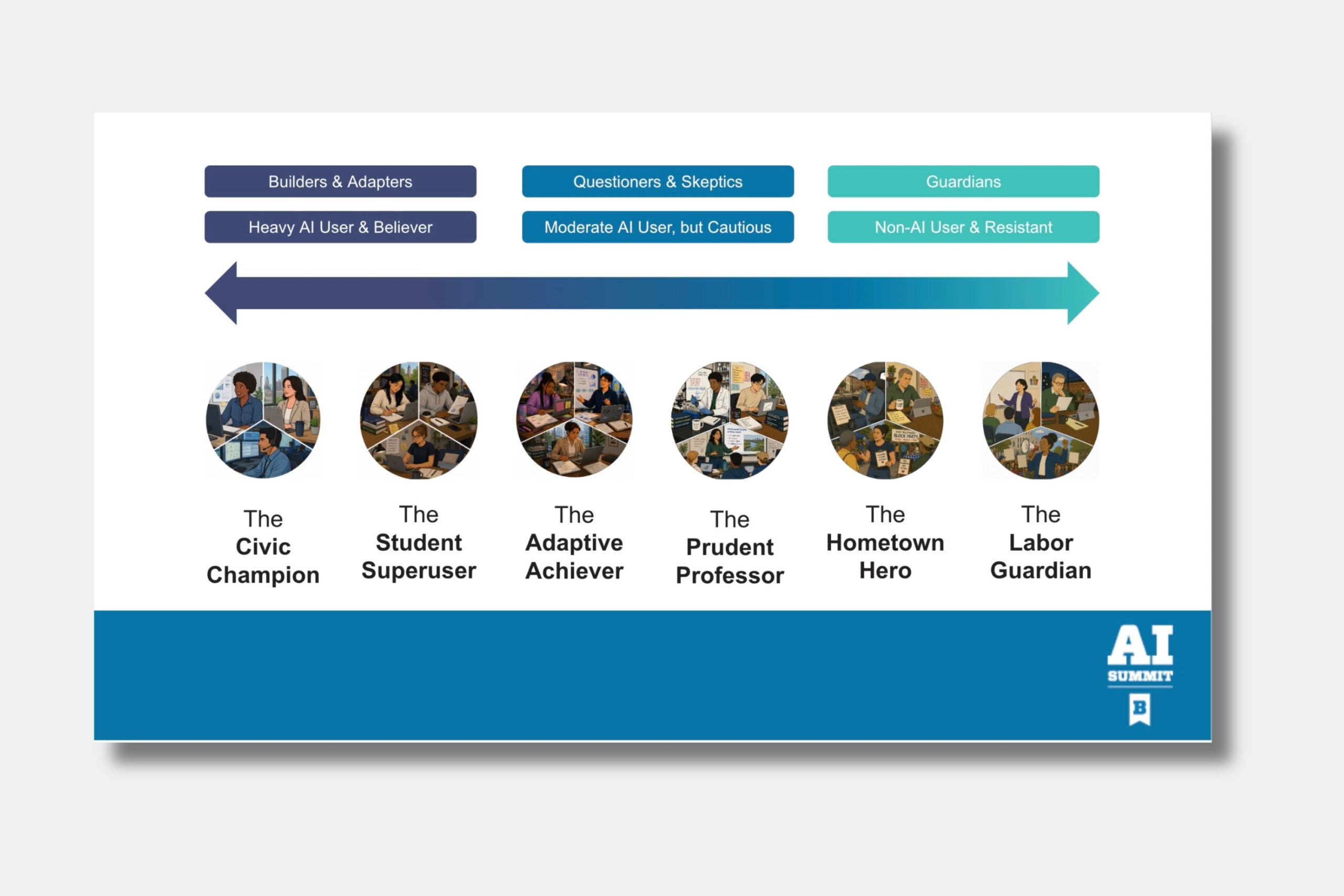
So far, the findings show that residents can be put into six “personas” — which could help UBalt design AI education that meets residents where they are.
“It’s rare that we get out of our silos to learn and connect.”
Jessica Stansbury, UBalt’s Center for AI Learning and Community-Engaged Innovation
UBalt’s Center for AI Learning and Community-Engaged Innovation (CAILI), in partnership with Baltimore tech company Mindgrub Technologies, recently published research examining how residents interact with AI tools.
Drawing from focus groups with academic and tech leaders, as well as public survey responses, Mindgrub developed a range of categories from the techno-optimists to those wary of AI’s impact on the job market.
CAILI director Jessica Stansbury hopes to leverage the persona research to develop a “navigator” program that embeds AI experts within the communities they already belong to.
“It’s better to learn from peers,” Stansbury, who also serves as UBalt’s director of teaching and learning excellence, said. “It’s rare that we get out of our silos to learn and connect.”
CAILI, which launched in July 2025, prioritizes public understanding and practical engagement with AI. Stansbury said that focus is driving efforts to expand outreach beyond universities and corporate workplaces — especially into environments like the skilled trades, where AI conversations are less common.
After all, according to the research findings, residents and professionals are often experimenting with AI ahead of formal institutional guidance, and better training could help “elevate” those skills, Stansbury said.
The educational efforts could also help break people out of a relatively narrow definition of AI.
Many users still primarily associate AI with tools like ChatGPT and Claude, rather than its broader applications, according to the research findings.
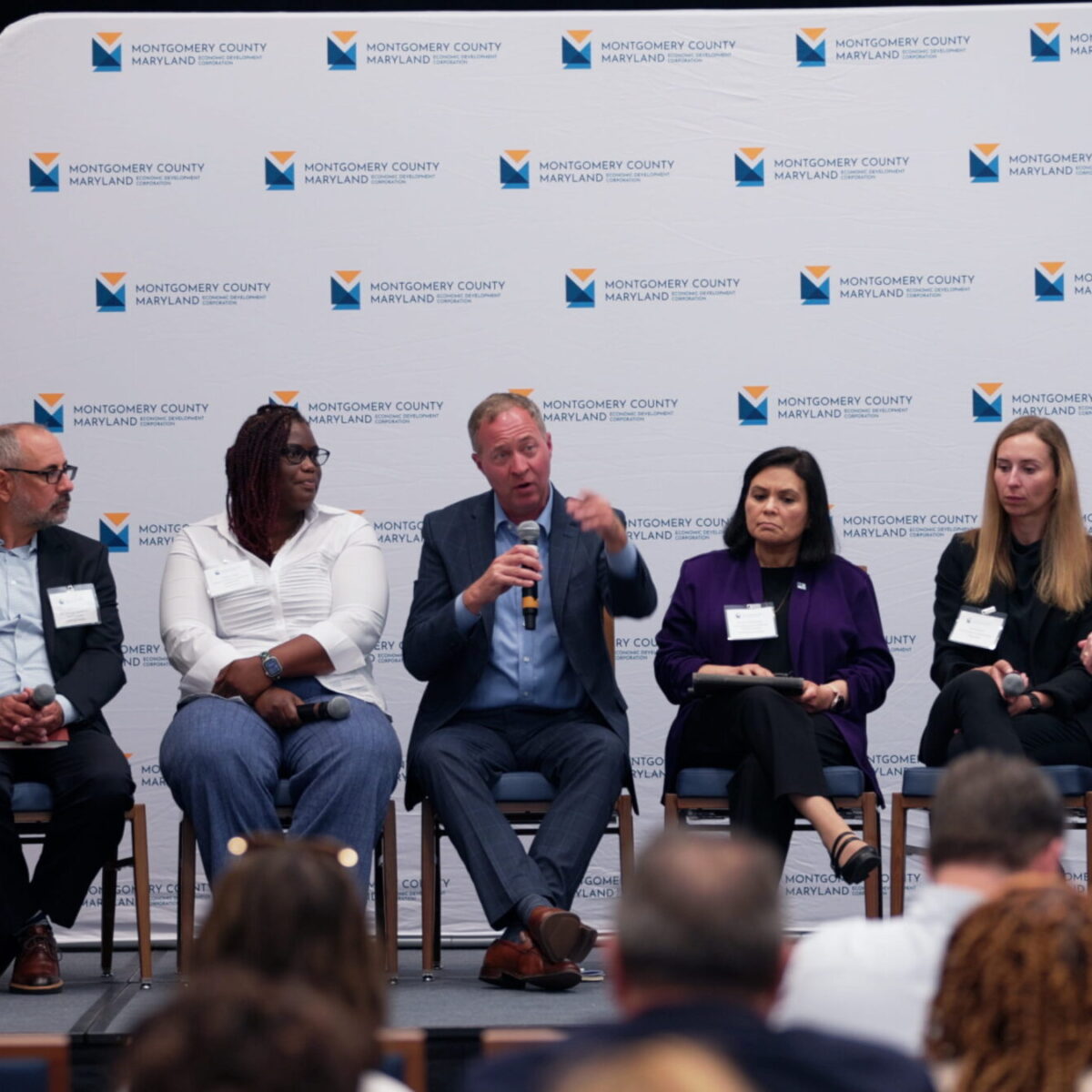
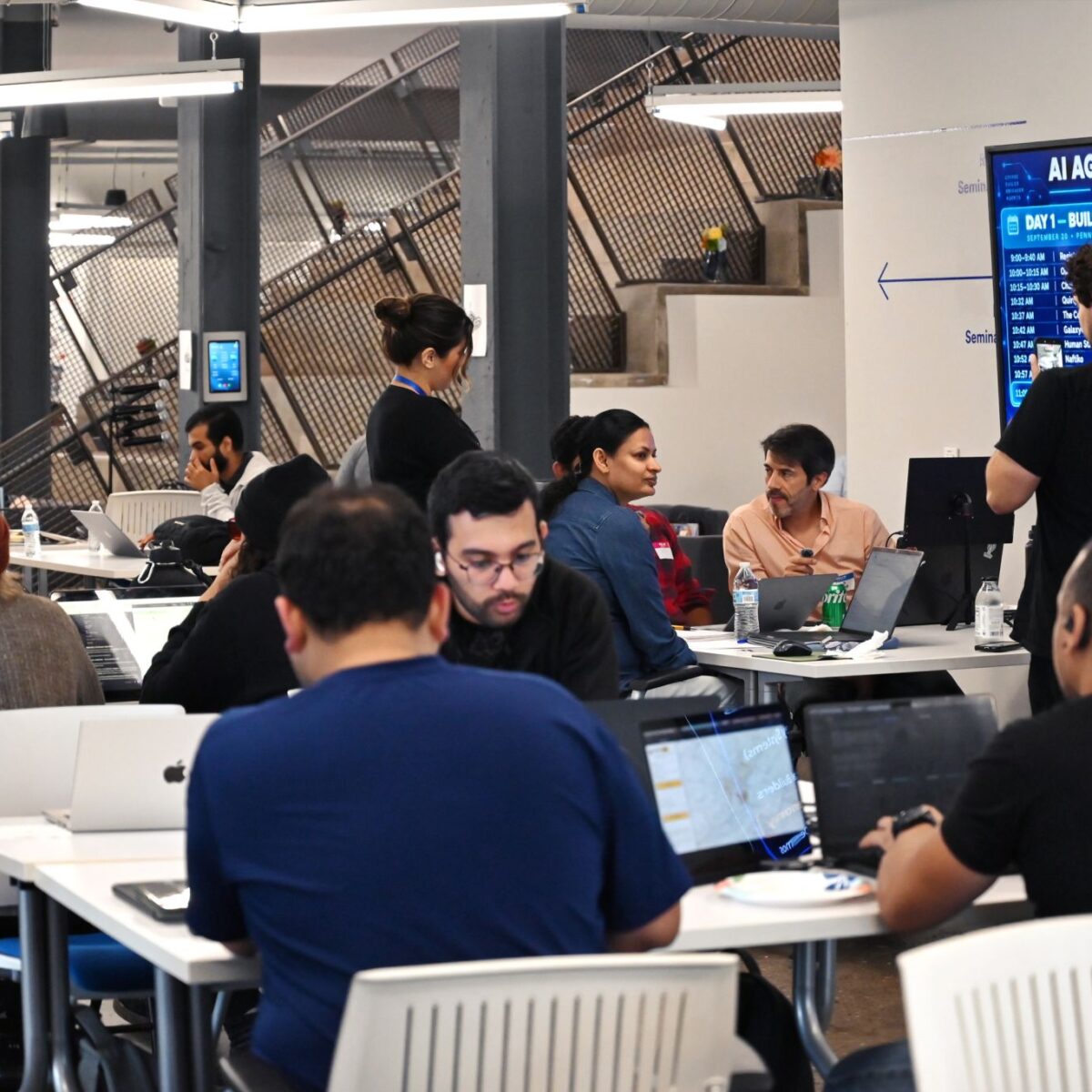
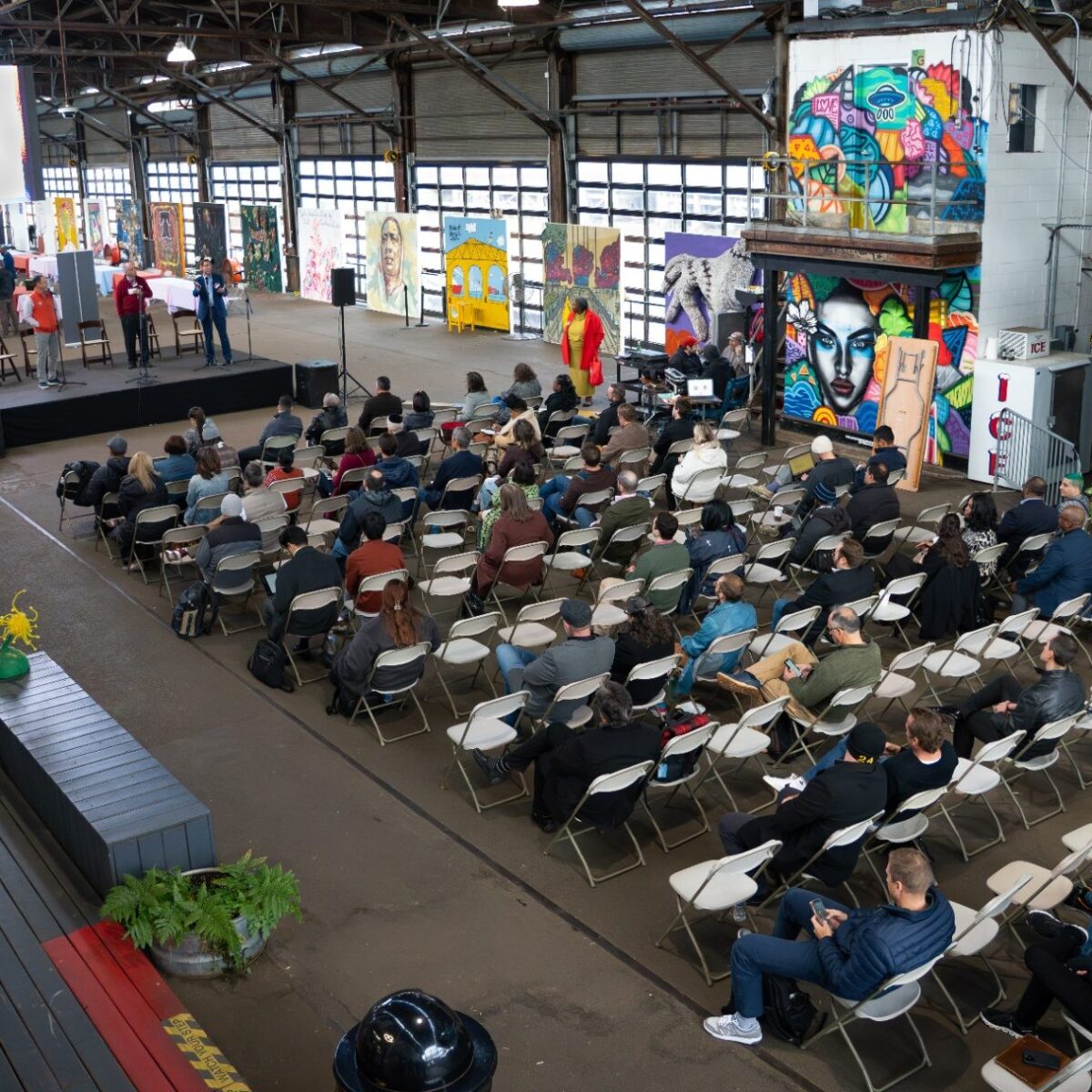
The persona takeaways helped frame discussions at UBalt’s third annual AI summit last week, which brought together industry experts and community leaders from across the city to turn the research into practical steps.
Making AI less abstract
The AI summit offered a partial escape from the typical siloed dynamic that Stansbury described earlier.
In afternoon town hall sessions, participants shared their experiences using AI in a variety of settings.
One participant in a session focused on building trust and access shared how he’s been successful in getting more people on board with the tech.
He showed an AI tool to his skeptical barber, pulling out an AI image generator to demonstrate how it could be used for displaying different styles. That made the tech less abstract and more relatable.
“The conversation completely changed, because then [it] turned into, ‘What does this mean for me?” the participant said, “and ‘How can I better serve my customers?’”
The town halls were also intended to further refine the persona framework using in-person feedback, with help from Jason Michael Perry, CEO of AI consulting firm PerryLabs, who closed the summit with a synthesized overview of its findings.
Rather than emphasizing technical development, this year’s summit focused on reshaping perceptions of AI, Stansbury said.
“Even though industry was there, it really emphasized the human infrastructure,” Stansbury said. “I think right now we’re seeing a little more resistance and pushback to AI because we’re missing that human piece.”