
Investor-founder pairing is as much a key to success as product-market fit. But there’s no matching app, no “Tinder for startups,” that easily predicts who’s the best match with whom. At least, not yet.
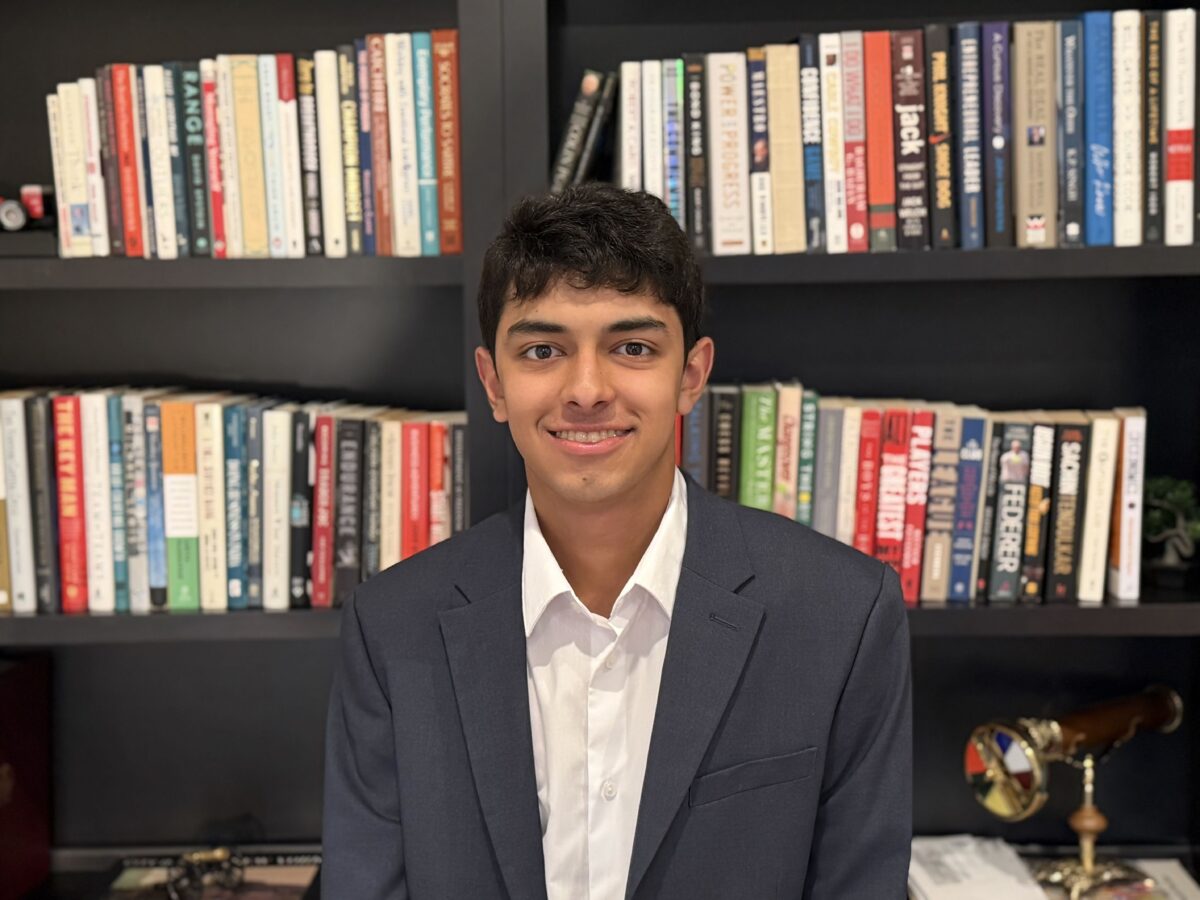
DC high schooler Ruhan Khanna is building software that could make it happen.
Working under University of Virginia data science professor Adam Tashman, Khanna last summer started researching what he calls “friction” between founders and investors. Since then, he’s been coding after school and on weekends.
Using a 100,000 sample size of venture capital deals, Khanna ranked how well a company would work with an investor.
“There’s more to investing than just access to capital,” said Khanna, a junior at Sidwell Friends. “There’s the right fit between the investor and the startup.”
There are already several products predicting a startup’s financial success, including Crunchbase and PitchBook, Khanna noted. But there’s little technology focused on what may lead to that. AI company 4Degrees is somewhat similar, but is geared more toward automation for investors.
Using a 100,000 sample size of venture capital deals, he ranked how well a company would work with an investor. Khanna considered 16 different data points all found on CrunchBase, including geographic locations, a VC firm’s thesis and past investments. Those factors determine “mismatch distance,” he said. For example, if a startup is based in DC and its investor in California, that would result in a larger gap — meaning more friction between the founder and VC.
Khanna gathered data related to identity, as well: Southeast Asian founders have the least amount of mismatch with investors. LGBTQ+ founders and Black entrepreneurs are in the middle, per his analysis, and Middle Eastern and North Africa-founded startups rank the worst.

To help founders with more friction, Khanna is pitching his product to accelerators. It’s already being used by 434 in Charlottesville, he said. There’s no user interface yet, but Khanna plans to offer analyses free of charge while he continues development.
Some of the findings appear counterintuitive. Later-stage companies appear more likely to have friction with investors, per the research, whereas early-stage investments are more thought out — which translates as it being easier for late-stage companies to pull in cash.
The research also shows companies in the US have some of the lowest-matched founder-relationships, compared to other countries, despite having most of the VC investment: Around $274 billion in startup capital was invested in US companies in 2025, more than half the global total. He has a theory as to why.
“There’s so much access to capital here,” Khanna said, “but maybe … there is so much access to capital that people pay less attention to actually finding the right matched investors.”

Building off teen entrepreneur experiences
Khanna was inspired to build the matching software by his own experience building a sportstech startup.
Called AthletIQ, it specializes in analytics for college track and field coaches in recruiting. Since launching the company in 2023, his freshman year at Sidwell Friends, he’s landed contracts with the schools Georgetown, Haverford, Connecticut College and Berry College.
Despite that success, Khanna has experienced persistent skepticism because of his age. Even though more than 70% of teens say they want to start a business as an adult.
“High schoolers aren’t typically taken seriously when it comes to building a company,” Khanna told Technical.ly. “Rightfully so, to some extent. But I think that we have to look past that.”
Khanna said he’s been taking the lead in developing the new matching platform, and using AI for repeatable tasks.
“I think without that extra help, I think this project would not be where it is right now,” he said. “Because obviously school, and then it’s also just this huge amount of work.”

Sidwell, his high school, has been very supportive, Khanna said, and he often gets feedback from his math teacher. He also meets with UVA professor Tashman once a month to go over progress, and emails him updates in between.
This project has helped Khanna think about what he wants to do for his career — entrepreneurship (for this tool or his current company), venture capital investing and software development are all possibilities for him.
Tashman has set it up to be very independent and hands-on, Khanna said, contributing to the sheer amount he’s learned since last summer.
“The research is always directed by me, and he’s always there to support,” Khanna said. “Especially at that start, when we didn’t really know where we wanted to go, he really listened to me.”