Venture capital can seem like the ultimate goal for startups, but it’s not the only path to success.
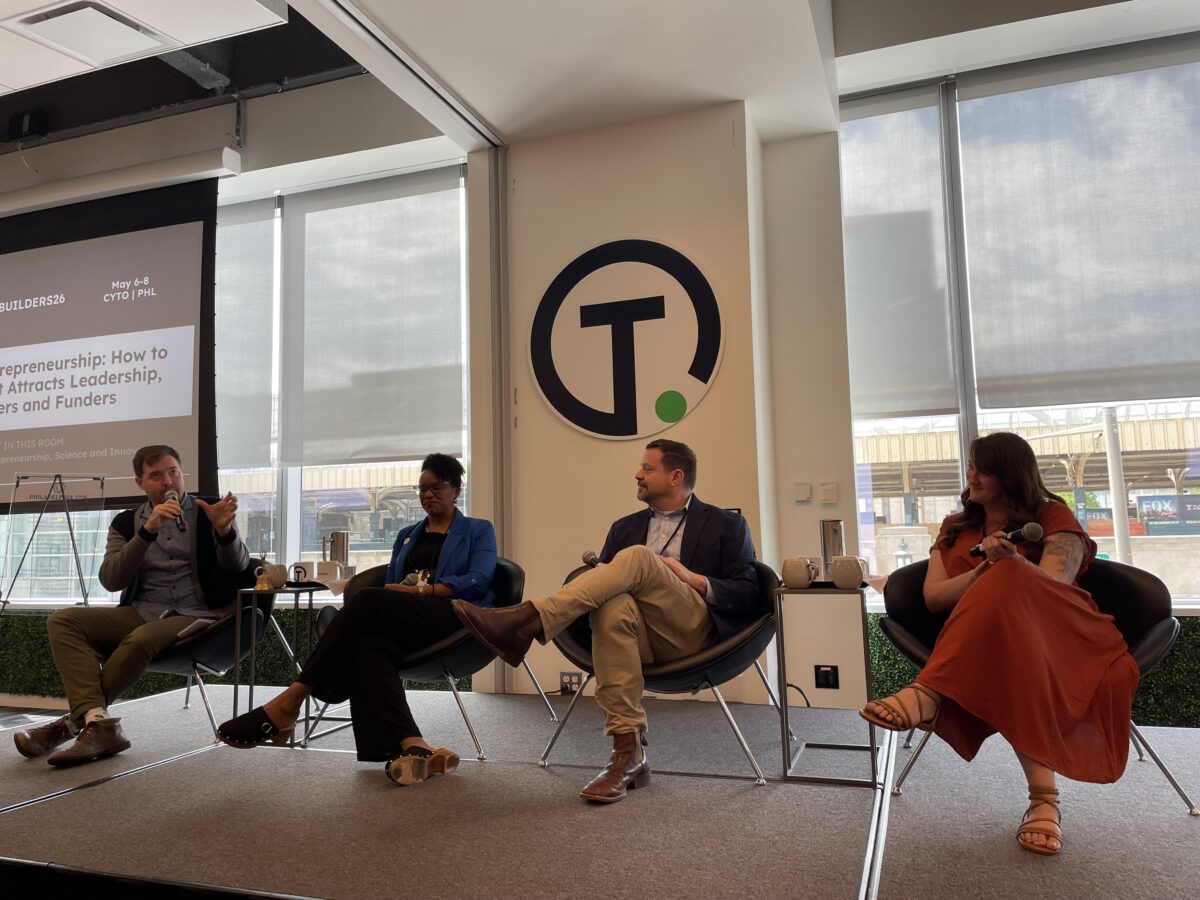
Angel investing, bootstrapping or modest raises can be a better fit for founders depending on the business model and product, entrepreneurial support experts discussed at Technical.ly’s annual Builders Conference.
“As a founder, [VCs] will push you out as they don’t like what you’re doing.”
Debbie Irwin, Lighthouse Network
That’s not to say venture is bad or houses “mean” people, said Debbie Irwin, the executive director of strategic capital and startup programming at Lighthouse Network in Richmond, Virginia. VCs just have very specific priorities that may not be realistic for an early-stage company — and those investors have to make limited partners happy.
“Venture backable is going to put a foot on your throat and expect you to produce at a certain rate,” Irwin said on a panel, “and as a founder, they will push you out as they don’t like what you’re doing.”
Scott Nissenbaum, president and CEO of the Southeast Pennsylvania division of the investing organization Ben Franklin Technology Partners, is a fan of an alternative route that he call “patient capital.”
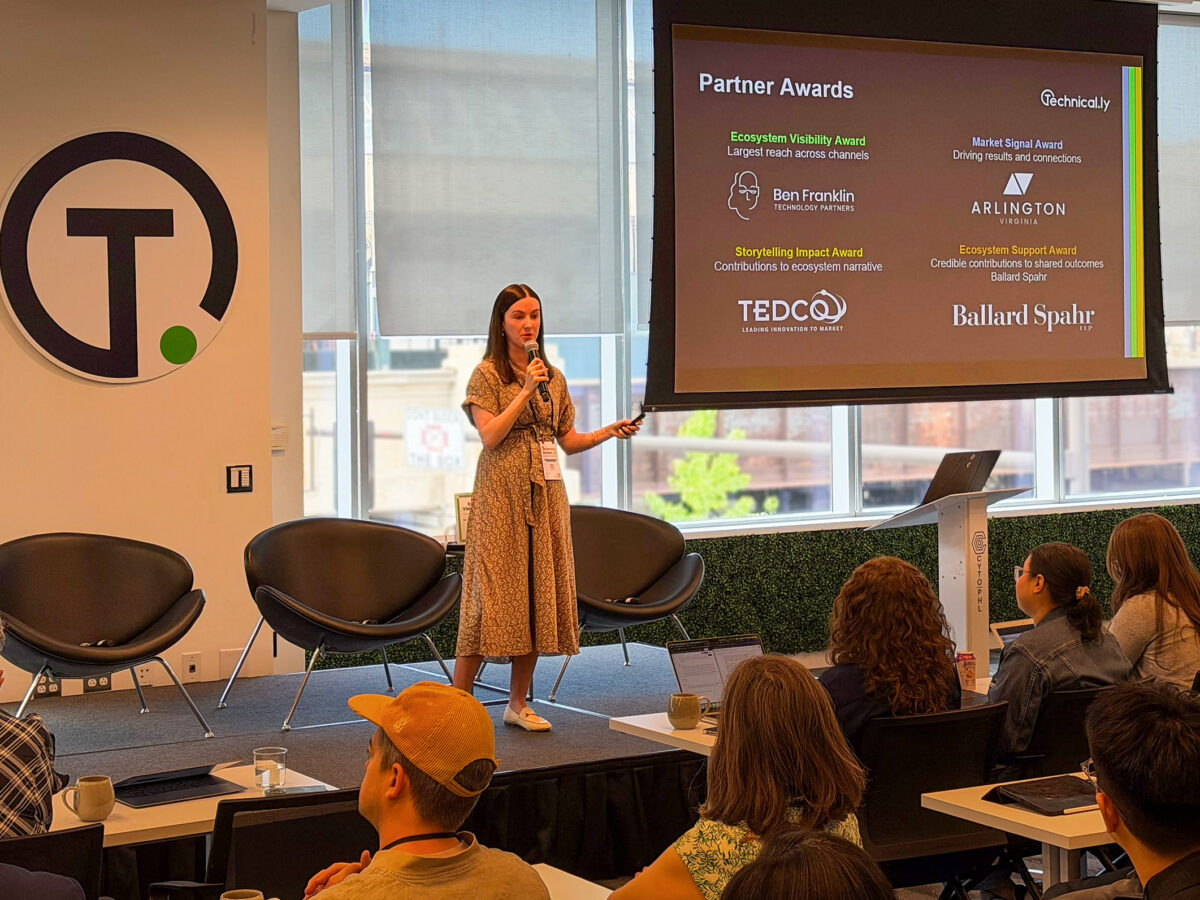


He’s coordinated investments with companies that have taken more than a decade to show notable revenue. Angels also don’t mind waiting that long to see growth, Irwin said.
A Community Development Financial Institution, an alternative to traditional banking that provides loans and capital to underserved communities, is also a solid option for founders, per Kamy Taylor from the Nasdaq Entrepreneurial Center.
Capital should not be a goal for founders, but a tool, Irwin said.
“It’s those types [misconceptions],” Irwin said, “where we change our mindset.”