• Delaware ranks No. 1 in patents per capita by owner, but No. 12 by where inventors actually live, because so many patenting companies are incorporated there.
• Looking at the ranking by where inventors actually live tells you how your state innovation strategy should change.
• Invention is local and compounding, so the inventor map — not the owner map — is the one that tracks jobs and mobility.
You probably wouldn’t guess the state that produces the most patents per person. It isn’t California, and New York is far lower. It’s tiny Delaware — which tells you something about how invention works.
In 2023, Delaware was credited with about 169 utility patents per 100,000 residents, nearly 40% more than Idaho (home to several patent powerhouse companies) or California, the next states in line.
But “credited” is doing a lot of work. Every patent carries two addresses: where its owner sits, and where its inventors live. The US Patent and Trademark Office records both, and they’re not always the same place. A patent is assigned to whomever owns it — usually a company, and increasingly a company incorporated in Delaware. More than two-thirds of the Fortune 500 are Delaware corporations. Count patents by owner, and you’re partly counting corporate mailing addresses.
So, I counted them the other way: by where the inventors actually live. Doing this well means using the USPTO API, which lets you access data through code after going through a bunch of ID verification to ensure you’re a US citizen.
It’s not easy. But it does change the rankings — and can tell you something about how your state should prioritize its innovation strategy.
Ranked by inventor residence, Massachusetts moves to first, with 167 patents per 100,000 residents, trailed by Silicon Valley–home California, Washington and — the surprise — New Hampshire (seems a good number of brainy contributors to the Massachusetts owner-totals call New Hampshire home). Delaware slides from 1st to 12th. The only state that falls further is New York, which is home to lots of businesses whose researchers commute in from my native NJ.
Oregon is the cleanest illustration. It ranks 23rd by who owns its patents but 6th by who invents them. That gap has a specific origin: chips-giant Intel, whose engineers fill Oregon’s fabs while the patents are owned at California HQ. Texas, Arkansas and Illinois run the other way — big corporate-owner states that hold more inventions than their own residents produce.
The insight: the owner map shows where profits are booked. The inventor map shows where the work happens — and the work is what builds a local economy. It’s a key part of any region’s “ecosystem stack.”
Where invention concentrates, wages and opportunity follow
Invention is stubbornly local. The foundational study here found that a follow-on patent is 5 to 10 times more likely to come from the same metro area as the patent it builds on. Ideas spill over to the people nearby first. Economist Enrico Moretti estimates in “The New Geography of Jobs” that each role in the tech industry supports roughly five other local positions, and even the more conservative estimates put tech’s multiplier above manufacturing.
Where invention concentrates, wages and opportunity follow. That’s why the sharper measure isn’t patents, but inventors.
The Economic Innovation Group’s dynamism index counts unique inventors per capita from inventor-residence records, “not the assignee’s location.” And talent compounds: Children who grow up around inventors are roughly 10 times more likely to become inventors themselves, the economists behind the influential “Lost Einsteins” study found. Where the inventing happens shapes who gets to invent next.
So who cares about a patent’s origins? Maybe remote work and distributed teams will eventually loosen the importance of geographical proximity. But historically, the big ideas that make us healthier, wealthier and happier come disproportionately from people who are physically near one another.
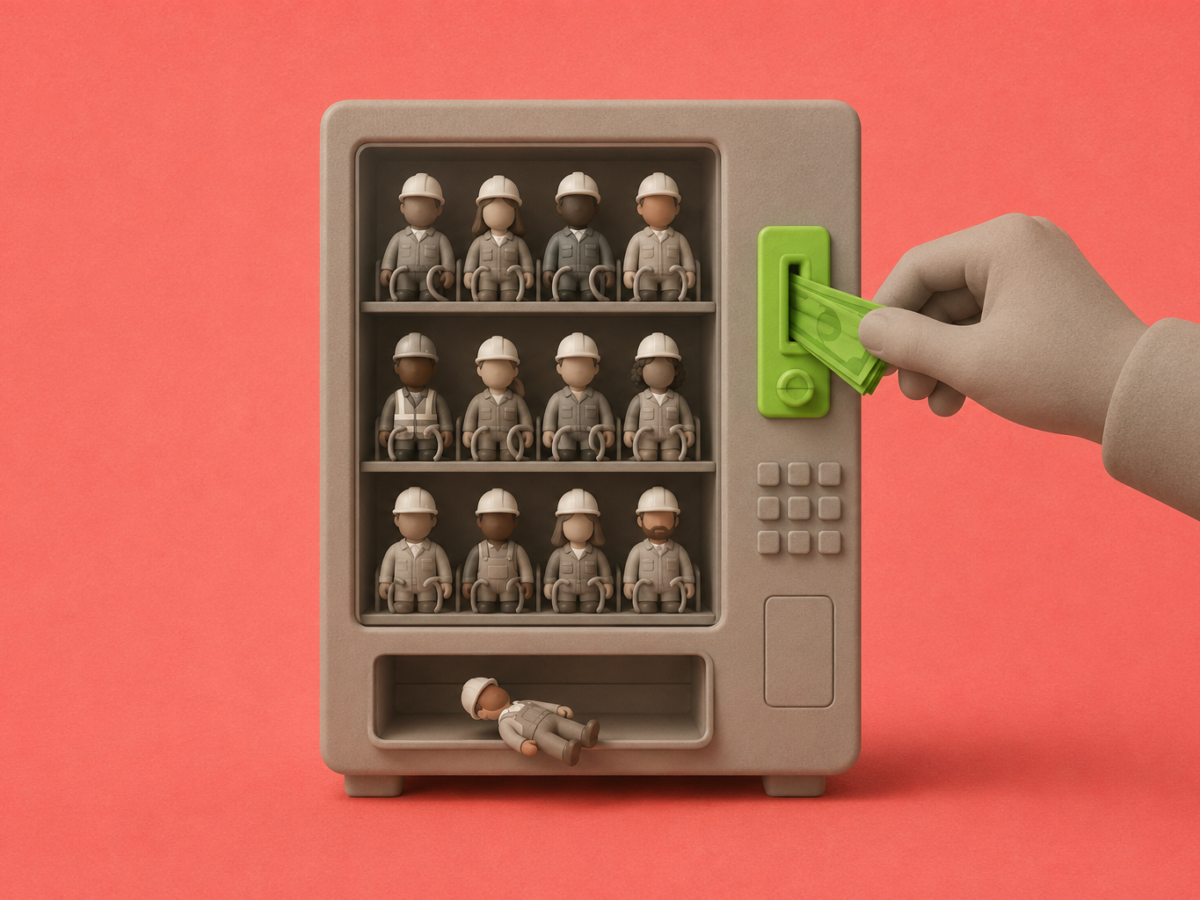


The beauty of invention is that it does, over time, distribute widely. Yet the advantage still goes to wherever it begins — in economic gains and in resident benefit.
Which brings me back to Delaware. I started this analysis certain the state would collapse once I looked only at inventor residence. It didn’t fall as far as I expected. Delaware still lands in the top 12 — a reasonable invention streak for a small state with DuPont’s chemical legacy and a pharma cluster. That’s useful for its leaders: Delaware can worry less about generating ideas and more about commercializing them: turning inventions into startups that stay and grow. Bolstering its modest entrepreneurial ecosystem would help this.
The mirror image is a set of states with the opposite homework. Places like Louisiana, North Dakota, West Virginia and Alaska sit near the bottom on both counts. Pro-entrepreneurship policy is wise, but they also have a bottleneck upstream: producing the invention in the first place. Different problems, same goal: residents who are healthier, wealthier and happier, wherever the good ideas are born.
Patents measure ideas. Inventors measure people. And economic dynamism requires both — plus the startups that turn ideas into solutions for the rest of us.