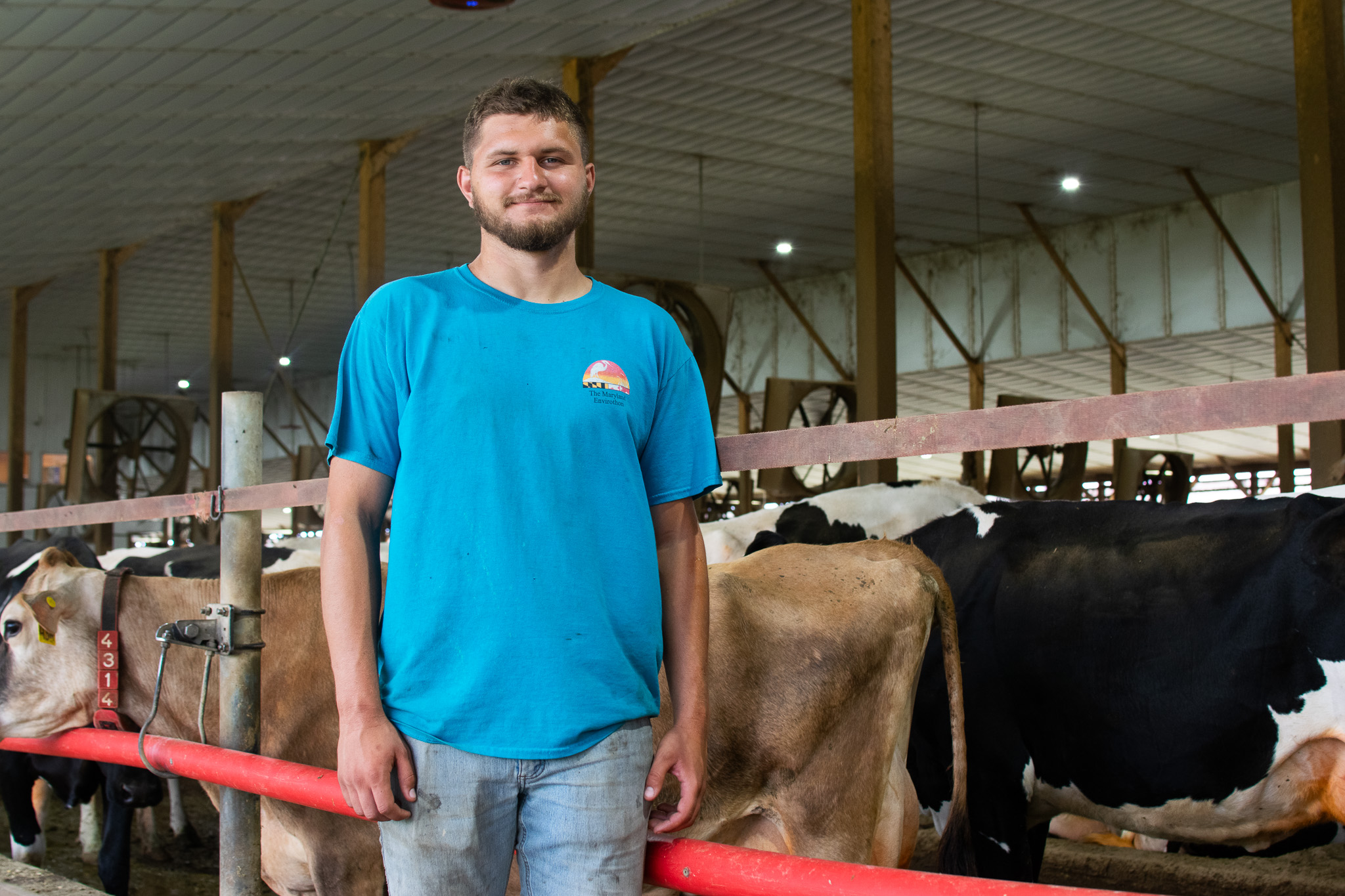
Before the robots, Sam Sowers knew dairy farming by feel.
Growing up on a family farm in Frederick, Maryland, he learned how to milk the old-fashioned way — stooping under a cow to latch equipment manually.
“You can’t really put a price on how much information [tech] gives, and how good it is for a cow’s health.”
Sam Sowers, South Mountain Creamery
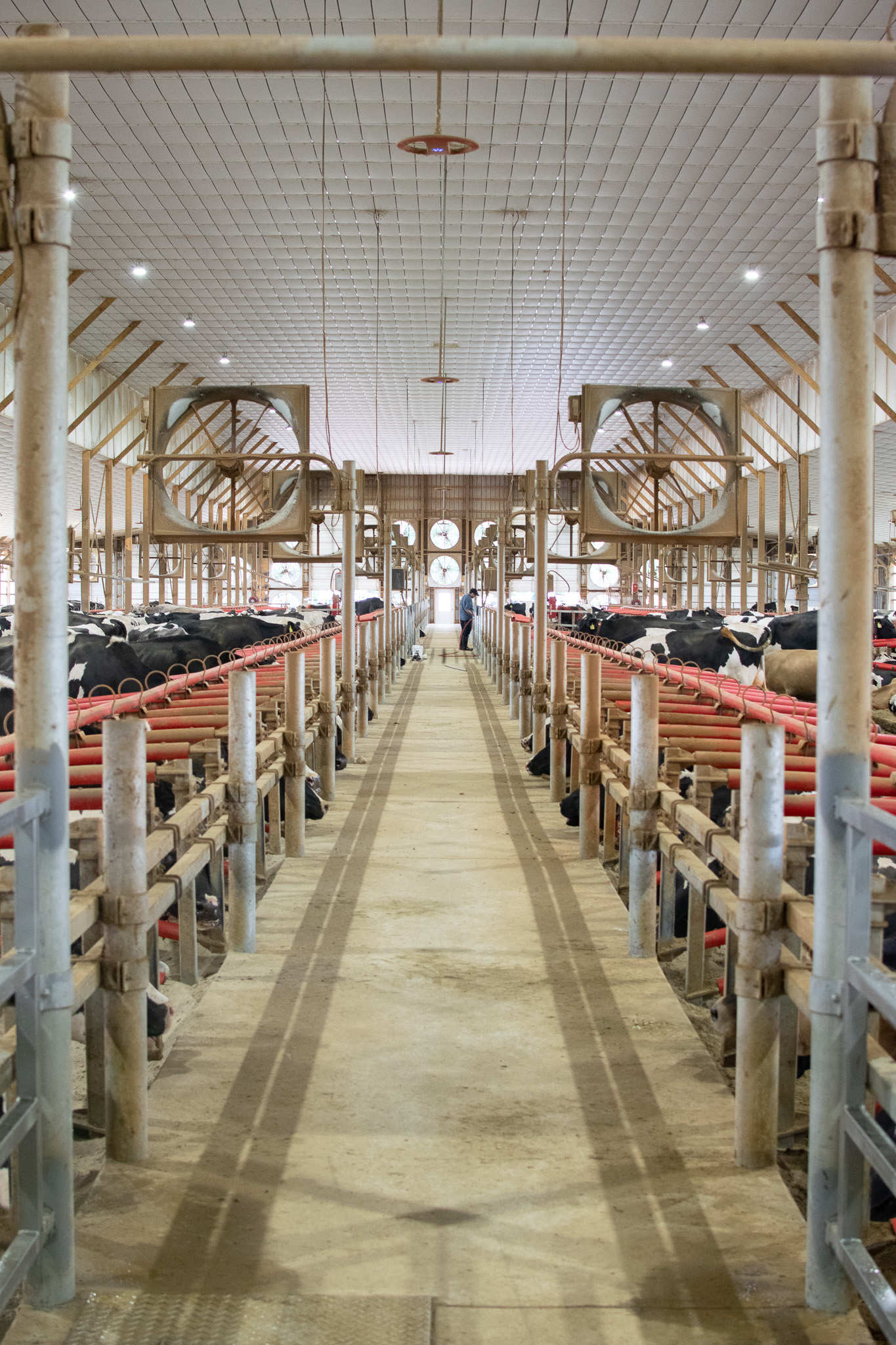
Now 22, Sowers roams a massive white barn, overseeing automation that handles his former chores instead.
“I’m still not perfect on every individual aspect of the robots,” Sowers told Technical.ly. “It’s a lot more mental now. It was more physical back then.”
South Mountain Creamery upgraded to a robotic milking system in 2023. The over 40-year-old farm hit a massive growth spurt during the COVID-19 pandemic, when its home delivery service boomed.
The business doubled its customer base to nearly 10,000 people across the region in just a few months, and the family quickly realized its existing system couldn’t keep up with the demand.
After struggling to staff its traditional milking parlor, they decided to embrace new tech.
It isn’t cheap, especially for an industry with generally thin margins. A single Lely milking robot ranges from $150,000 to $200,000, and South Mountain operates eight of them. Annual operating costs add roughly $7,000 per robot, too.
The payoff, according to Sowers, is measured in more than milk: healthier cows, fewer labor headaches and a farm that can keep growing.
Smart sensors give a closer look at cow health
South Mountain’s main tech upgrade has been from Lely, a Dutch firm that sells to over 50 countries focused on dairy innovation.
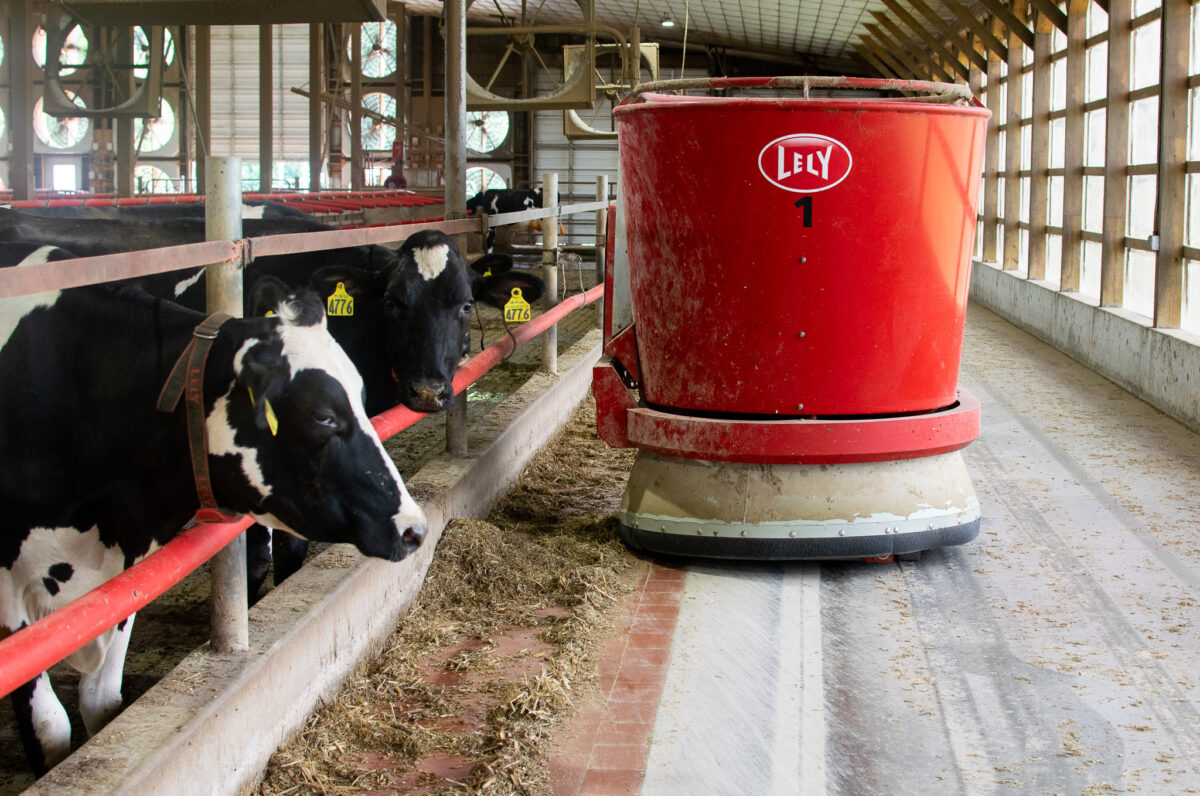
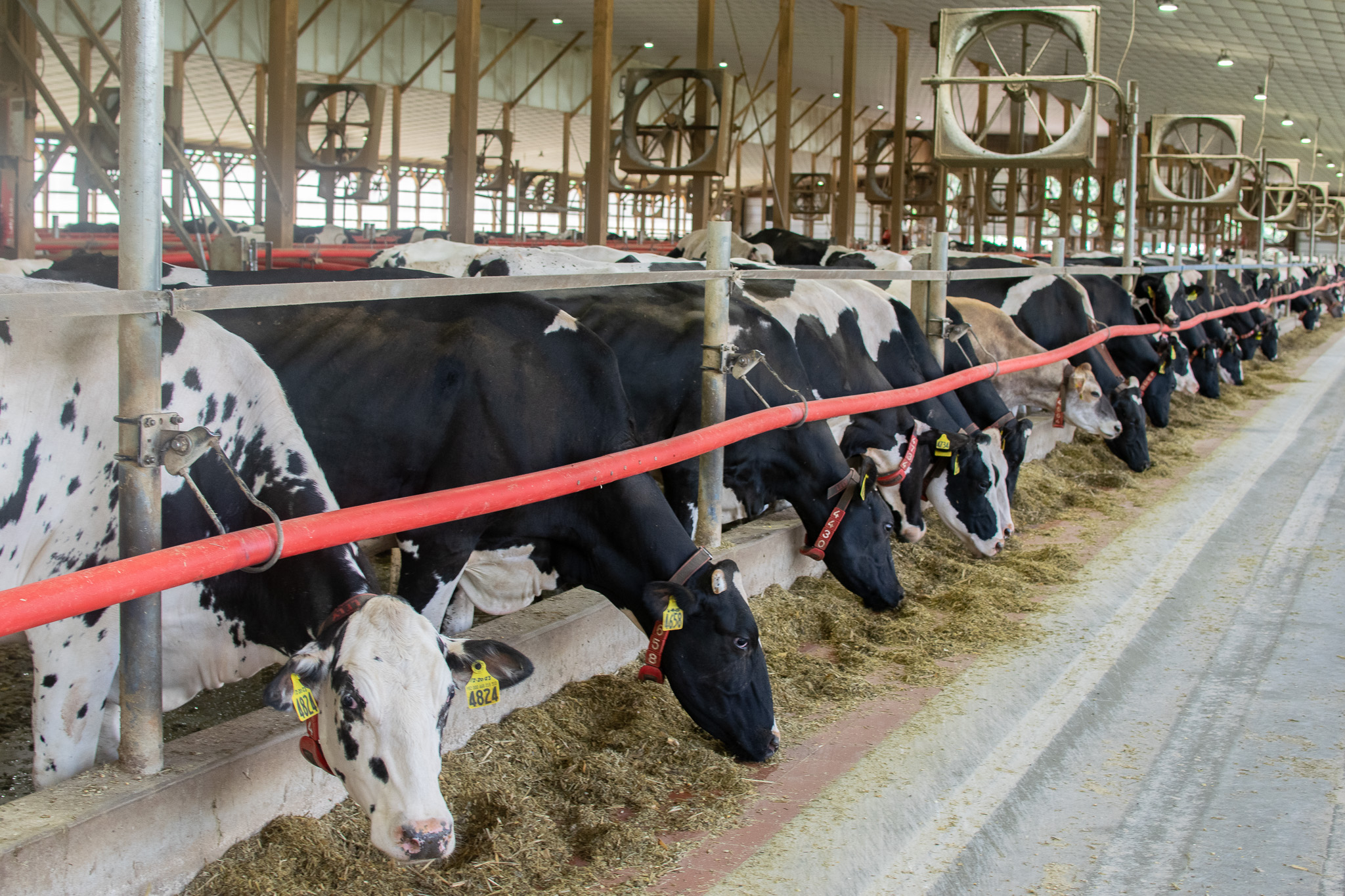
The farm’s tech adoption has focused on three main areas: a feed robot, which drops hay throughout the day, a manure robot to clean up waste, and a new way to milk its herd.
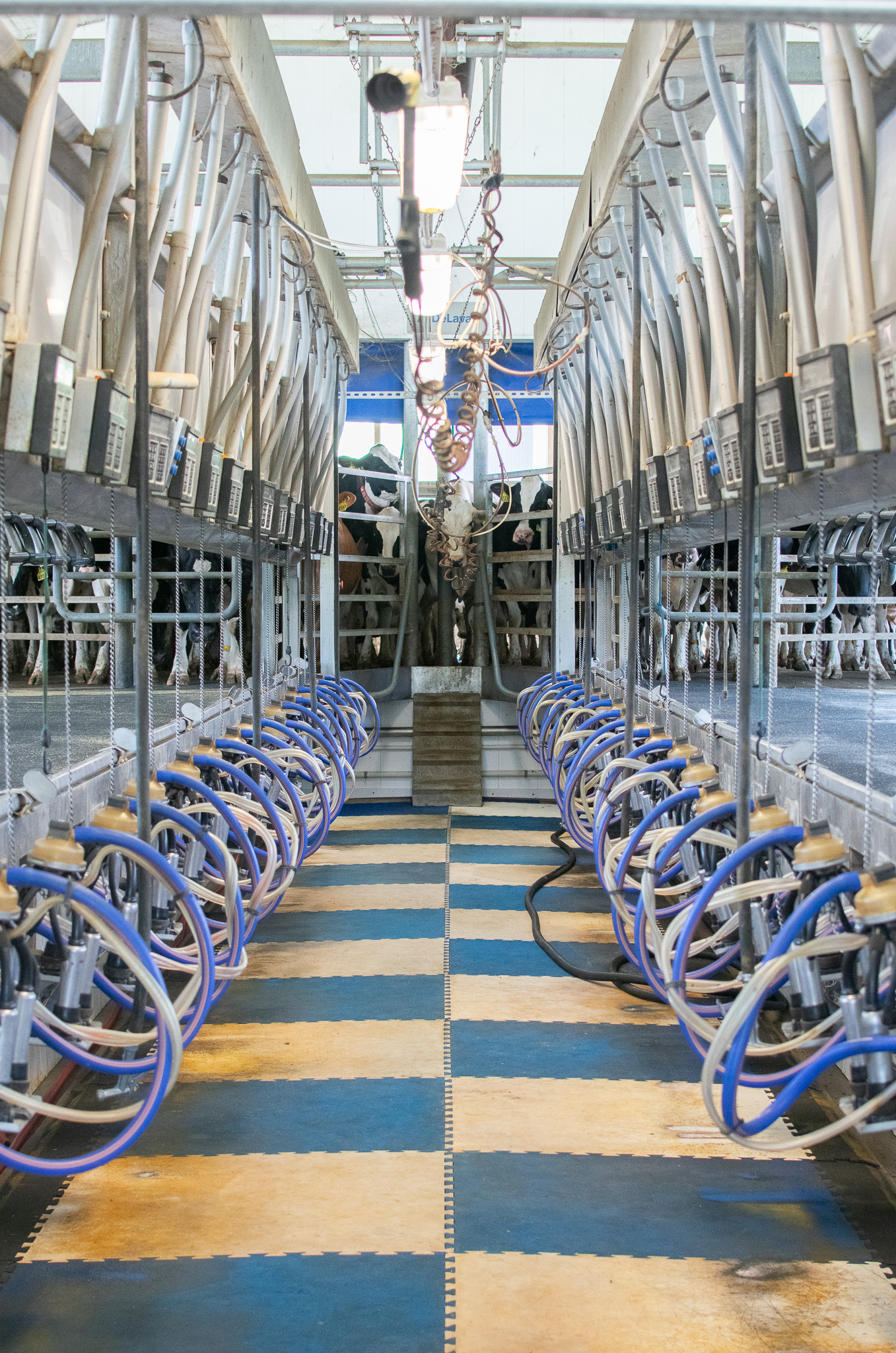
In a traditional parlor, cows are herded into a pen multiple times a day. Milking machines are attached by hand, and the cows have no say in the schedule.
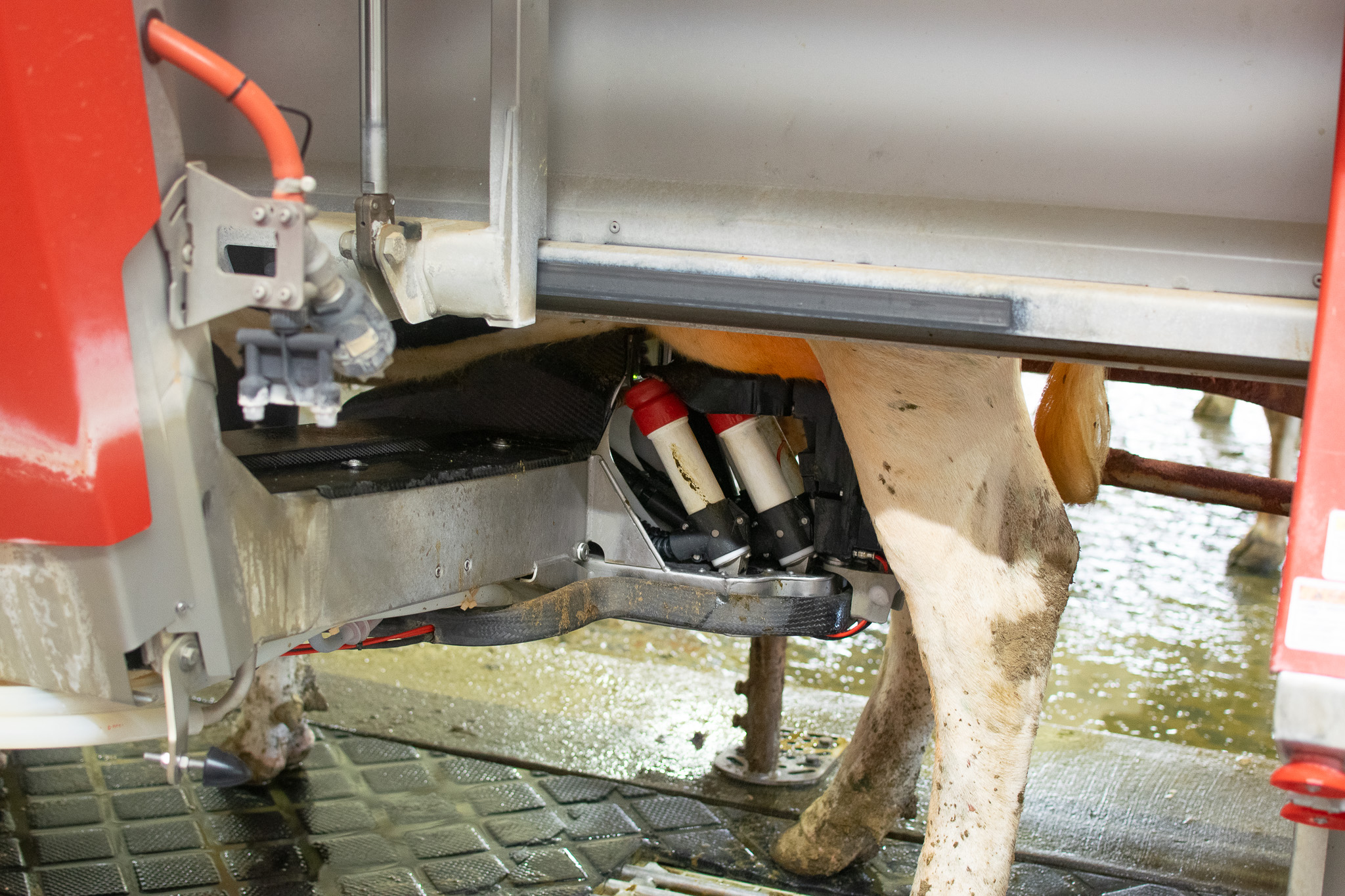
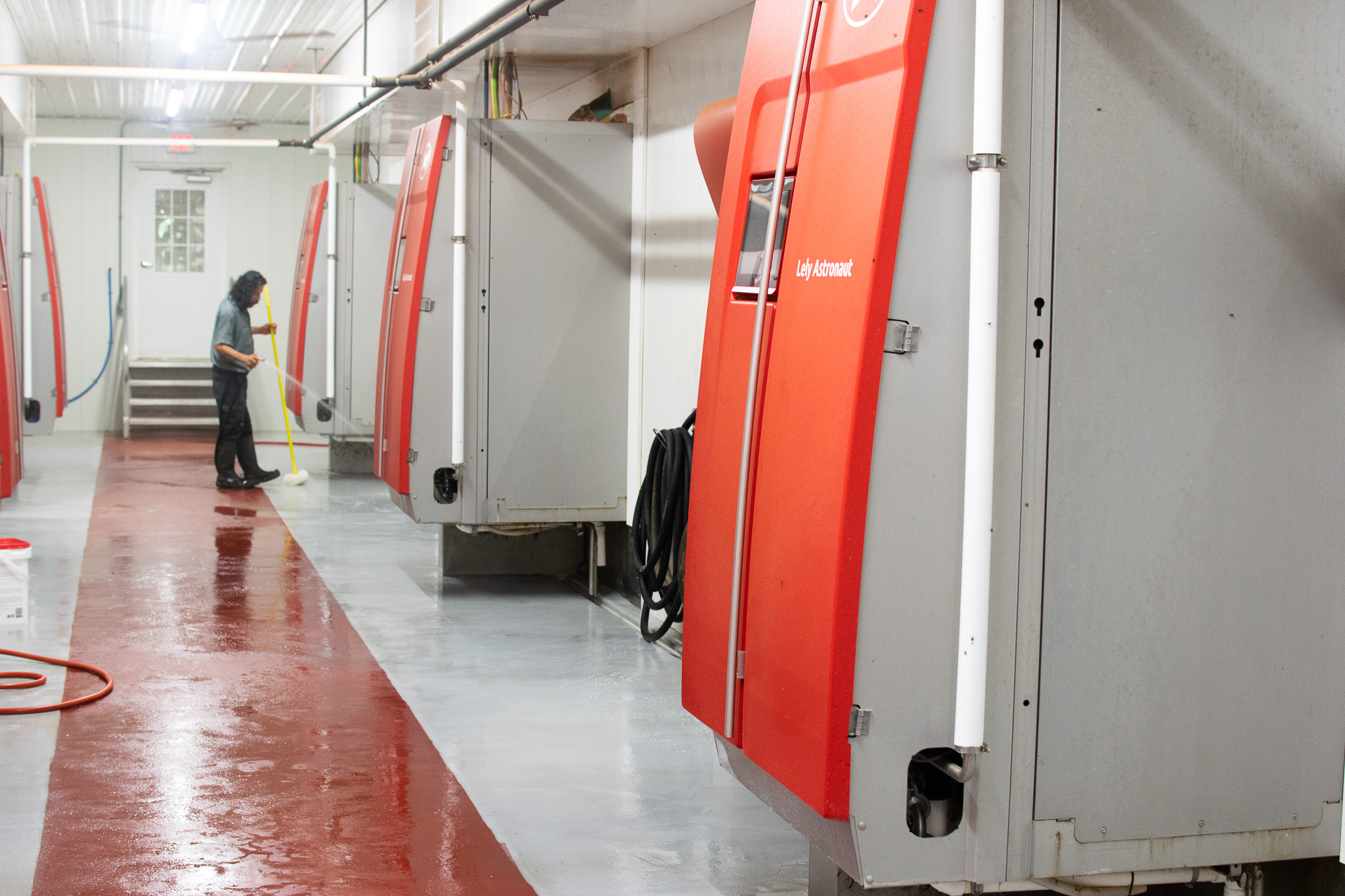
Now, cows enter the milking system freely to relieve udder pressure and to snack on sweet pellets distributed by the machine, Sowers said.
After entering the stall, a robotic arm brushes to clean its udders. A suction mechanism then uses a laser to locate and attach to the teats, pulsating to mimic a nursing calf and stimulate milk production.
The milk is pumped into a small storage tank before traveling through tubes to a larger tank, which is eventually transported to another site for pasteurization.
Throughout the process, Lely’s management system monitors milk metrics, including color, temperature and withdrawal speed. If the system detects a health issue, it alerts the farmer via its platform.
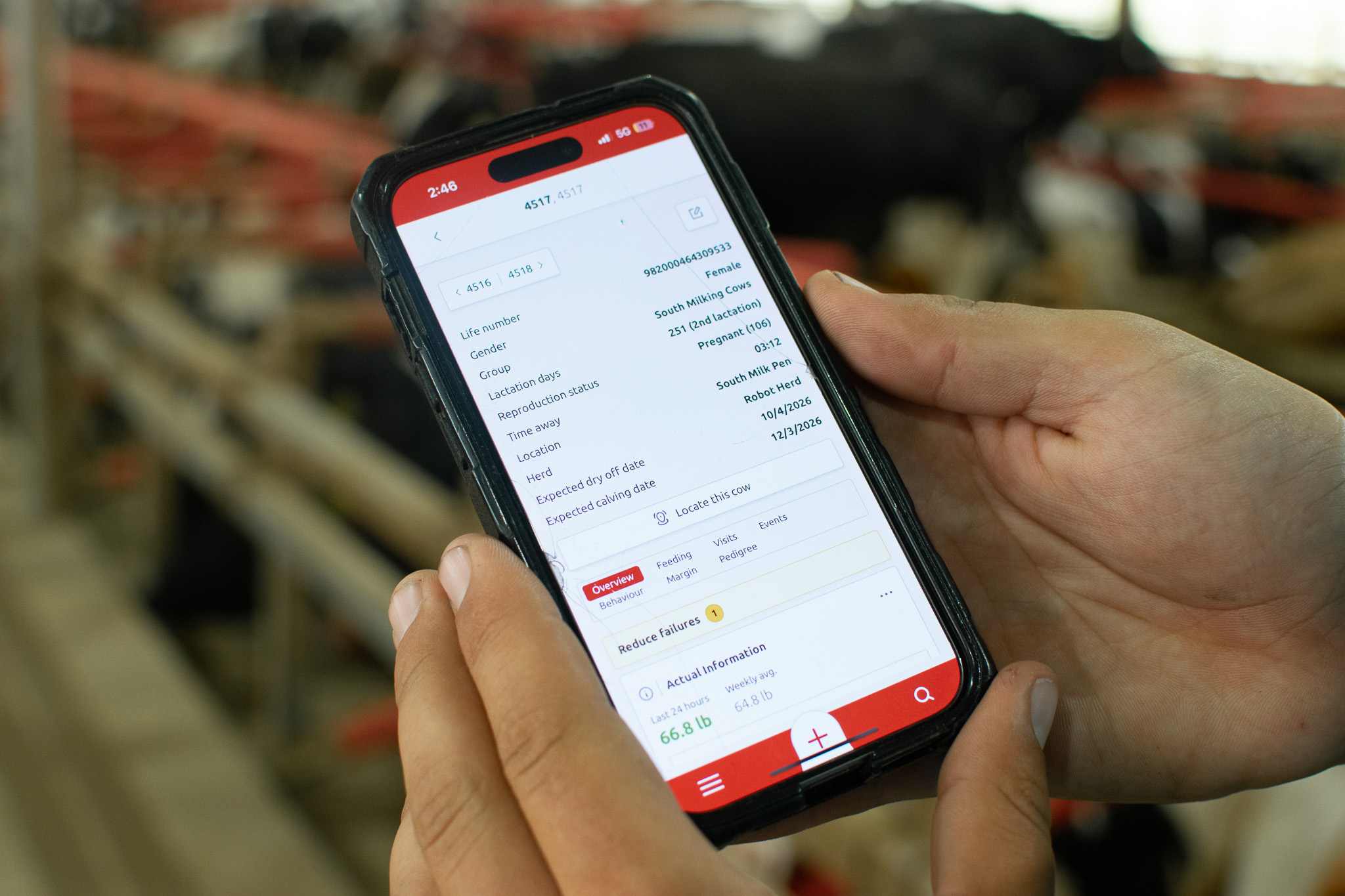
The transition to automation has improved cow comfort and increased milk production, Sowers said.
South Mountain milks 500 cows using the system. The data influx has been essential for assessing the herd, according to Sowers.
“You can’t really put a price on how much information it gives,” he said, “and how good it is for a cow’s health.”
Dairy farms face labor squeeze
Buoyed by pandemic-era success, South Mountain self-financed the endeavor, a rare feat in an increasingly cash-strapped agricultural industry.
Robotic systems produced 6% of all US milk in 2021, up from 4% in 2016, according to the US Department of Agriculture (USDA).
While large operations were historically the only ones capable of absorbing the investment, the USDA reports that mid-sized farms, like the Sowers family’s, are now the most likely to make the shift.
Researchers attribute this trend to two factors: the smallest farms struggle to see a return on the hefty upfront costs, while the largest operations find it difficult to convert established production systems.
The shift comes as farms nationwide face labor shortages. The US lost 155,000 agricultural workers between March and July of 2025 — about a 7% decrease overall, according to the Bureau of Labor Statistics.
Tighter immigration enforcement has further strained the sector. Immigrant workers account for roughly half of all dairy labor, per a report by the Center for North American Studies.
That industrywide statistic hits close to home for South Mountain, where immigrant workers make up about half of the farm-side workforce, Sowers said.
Automation brings gains but doesn’t solve all growing pains
The family initially experimented with automation in the mid-2010s, bringing on two robots. However, because they were milking across three different locations at the time, they decided to abandon the project and consolidate operations.
Sowers said that their original robots also came from a different manufacturer and were plagued by mechanical issues.
“I remember when my dad had to take care of this,” Sowers said. “It was like every night he got a call.”
Since the upgrade, each cow now produces, on average, five to six more pounds of milk per day.
A reliable local dealer is vital for a fully functioning system. For serious mechanical issues, technicians usually arrive at the farm within a few hours, Sowers said.
Though that level of support isn’t guaranteed everywhere. In 2023, Lely settled a $122 million class action lawsuit in Minnesota over allegations of selling faulty equipment and providing inadequate service.
“You’re at the mercy of your dealer,” Sowers said. “So we’ve been fortunate with that.”
Yet, even that efficiency boost hasn’t quite kept pace with the creamery’s rapid growth.
To meet demand, the family actually reopened its traditional milking parlor a little over a year ago to run alongside the robotic system.
Despite all the change, Sowers said he feels lucky to continue working on the farm his grandparents started in the early 1980s.
“I always knew I wanted to be a part of it as I grew up,” Sowers said. “We’ve been very fortunate with how much it’s grown and that all my family could come back.”