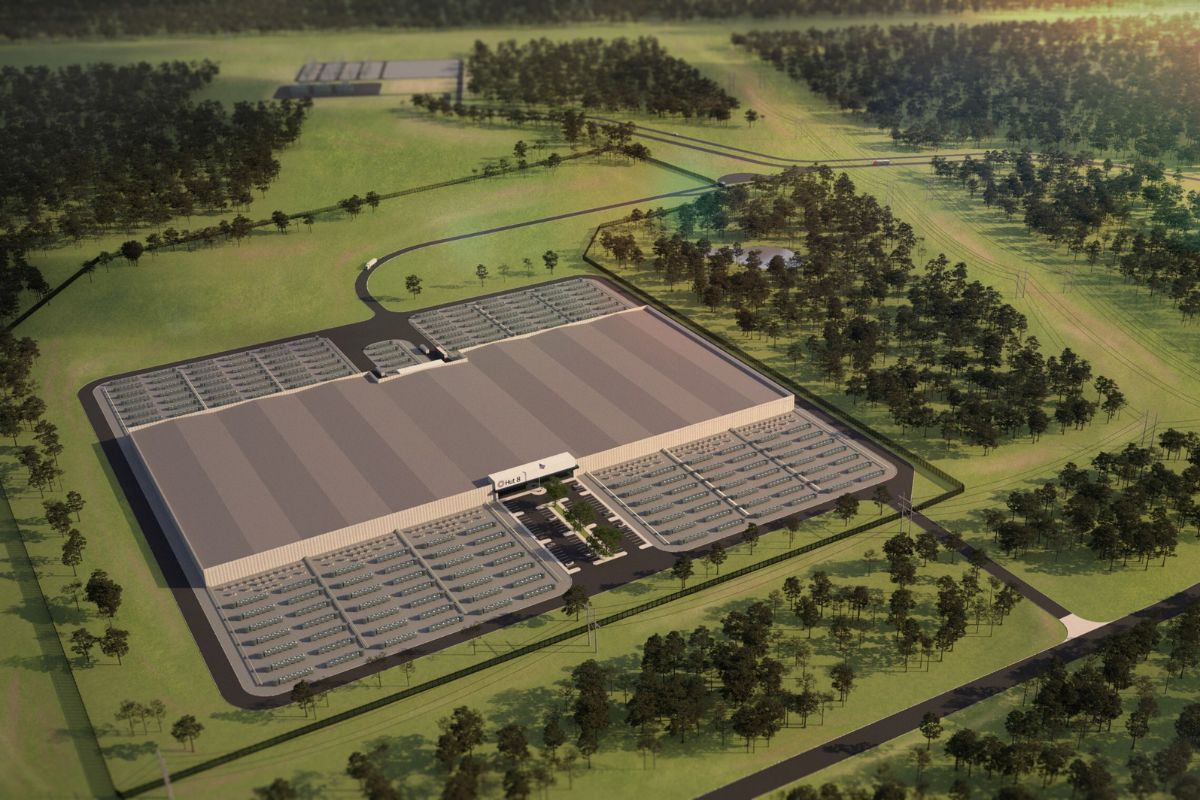
Miami-based Hut 8, an energy and digital infrastructure company and developer of a data center being constructed outside Baton Rouge, announced in May an agreement with the local parish for water infrastructure improvements.
Hut 8’s approximately $16 million pact with West Feliciana Parish will pay for the construction of improvements, like a new well and roughly eight miles of water main, which will be transferred over to the parish when completed “at no cost to taxpayers,” according to the press release.
The company has slated up to $10 billion in investments for the development of phase one of its AI data center, River Bend, about 30 miles north of downtown Baton Rouge. Hut 8 is expected to receive tax rebates on qualifying purchases and leases of data center equipment, according to the Louisiana Economic Development press release.
“We build infrastructure for communities, not just for ourselves,” Hut 8 CEO Asher Genoot said in the release.
The water infrastructure improvements have the potential to reach more than 4,000 households and over 200 businesses in the parish, according to the press release.
“This is a real investment in the infrastructure our parish needs,” West Feliciana Parish President Kenny Havard said in the release. He added that the agreement puts the parish in the “position to handle future growth in the right way while protecting the resources our community depends on.”
The data center will use “closed-loop cooling,” according to the press release.
There are also open-loop, evaporative cooling systems that use water to remove heat from equipment and require ongoing replacement water. Hyperscale data centers can consume millions of gallons of water a day, according to Maryland-based environmental nonprofit Nature Forward.
A closed-loop cooling system keeps equipment cool by reusing the same fluid — often water or a water-based mix.
Some closed-loop systems are capable of no ongoing water use at all. Data centers traditionally use a lot of water, but experts are finding ways to lower use, such as dry cooling systems that use air but also require a lot of electricity to run fans. Another option, though dependent on the climate, uses ambient air from outside the data centers in colder areas to cool systems.
Phase one of River Bend construction, announced late last year, is already underway.
The data center site is scheduled to be operational by 2027.