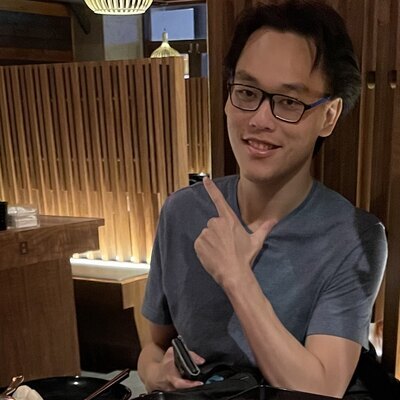
At 19 years old, CLEF founder Carlton Perry had never competed in a pitch competition.
Already an accomplished jazz pianist, he had an idea for how to make it easier for musicians to find places to perform. When he learned about Explore Pittsburgh Tech Week’s inaugural pitch competition in 2025, he wasn’t convinced he was prepared to present.
He applied anyway.
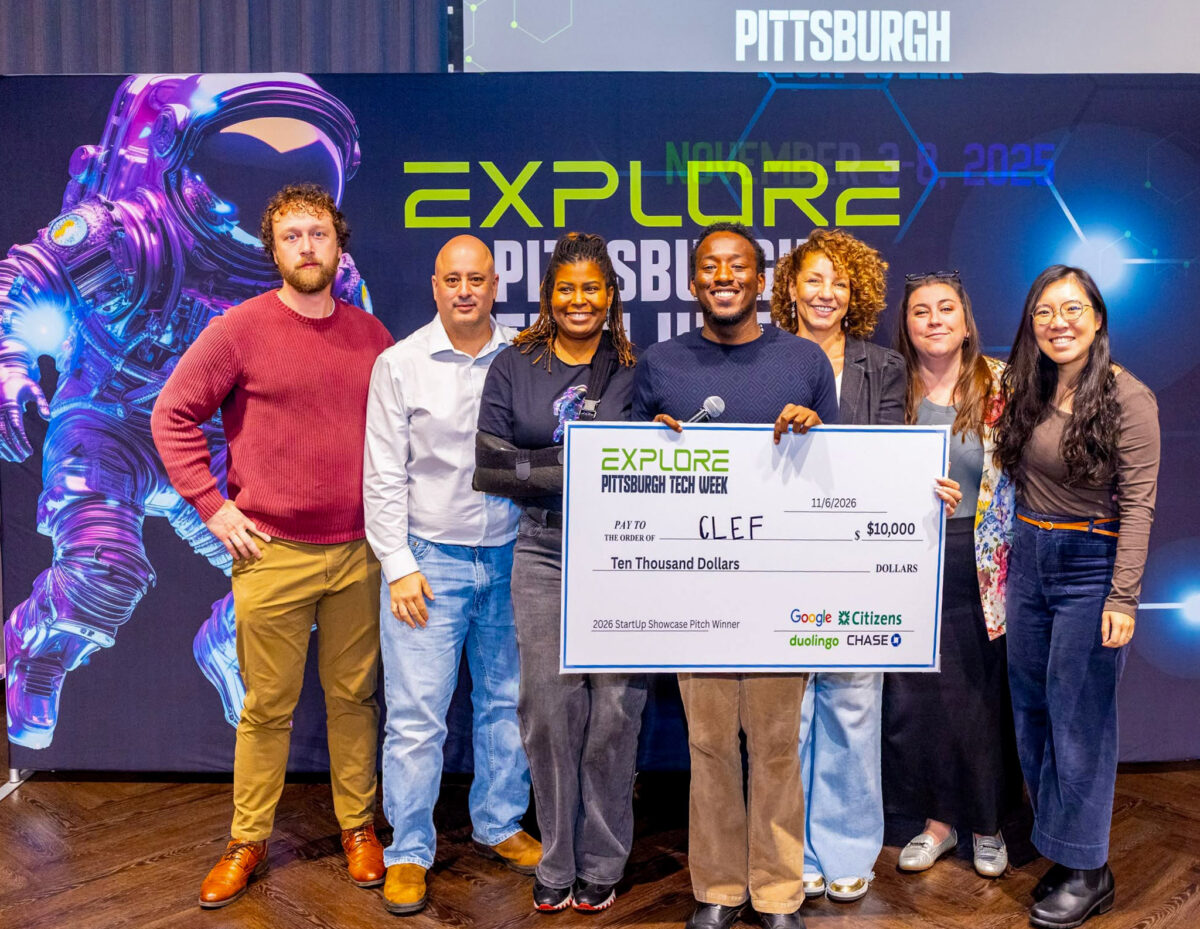
That decision put Perry on a stage in front of Pittsburgh’s tech and entrepreneurial community, competing against more experienced founders for a $10,000 grand prize.
He won.
“I didn’t even think I was ready,” Perry said. “I just did it.”
A musician trying to solve his own problem
The idea for CLEF began before Perry entered college. During his senior year of high school, when he was sitting on his bed searching Facebook groups for gigs.

A pianist who’d been performing since he was 7 years old, he knew firsthand how difficult it could be to find opportunities. Musicians often rely on relationships, cold emails, booking managers or simply knowing the right person.
Perry wondered why the process had to be so complicated.
“Why is it so hard to find opportunities to play?” he remembered asking himself. Then came another thought: “I’m just gonna make my own app.”
CLEF was born.
The platform is designed to connect musicians with venues looking for live talent. Musicians create profiles, discover venues and apply for available performance dates. Venues can open dates on their calendars, review applicants and select performers without sorting through emails and messages across multiple platforms.
CLEF, Perry explained, is also an acronym for the company’s values: creativity, leadership, entertainment and family.
Winning changed more than his bank account
Perry was the youngest competitor at EXPLORE Pittsburgh Tech Week’s pitch competition. At the time, he was a studying music business at West Virginia University, where he is now pursuing a minor in marketing and Africana studies.
The $10,000 mattered. But nearly a year later, he points to something else the win gave him: credibility.
When approaching venues about a new platform, being able to say CLEF won the pitch competition changes the conversation. “I’m just not some random dude coming to talk to you,” Perry said.
That credibility has helped as CLEF moves through beta testing and prepares for launches in Pittsburgh and Morgantown, WV, where he goes to school.
The experience has also taught Perry one of entrepreneurship’s harder lessons: A founder’s first solution may not be the right one.
After the competition, CLEF began testing in Morgantown. Musicians signed up, but venues weren’t following. Perry started asking why.
Through conversations, experimentation and mentorship, including from the EXPLORE team, he realized venues had a different problem than he originally assumed. They weren’t necessarily struggling to find musicians. They were struggling to manage inquiries coming from multiple places and separate the right performers from the noise.
“I made the mistake of falling in love with the solution instead of the actual problem,” Perry said.
That realization prompted CLEF to evolve.
Building something bigger than an app
Perry wants CLEF to eventually become “the standard of live music booking across the entire world.” He also sees a larger purpose for the company, including partnerships with colleges, support for musicians and philanthropy.
His experience has also shaped how he views Pittsburgh’s startup ecosystem.
Perry believes opportunities exist, but young founders, particularly Black founders, can have difficulty finding them. He credits Explore Pittsburgh Tech Week with creating a space where founders who might otherwise struggle for access can be seen.
For Perry, seeing who was leading the event was significant. “These are Black women doing this,” he recalled thinking. “This is amazing.”
Now 20, Perry is still building, testing and learning. And his advice to the next young founder wondering whether an idea is polished enough for a pitch competition sounds a lot like the decision that changed his own trajectory.
“Just do it,” he said. “You’re never gonna be truly ready.”
He added: “Take a bet on yourself.”