

This story was reported with support from the Delaware Division of Small Business. DSB assists small businesses by providing guidance and advice, helping navigate state permitting processes, increasing access to funding opportunities and connecting owners with strategic partners. Its mission is to help small businesses start, grow and scale in Delaware. All stories are independently reported, with no partner review.
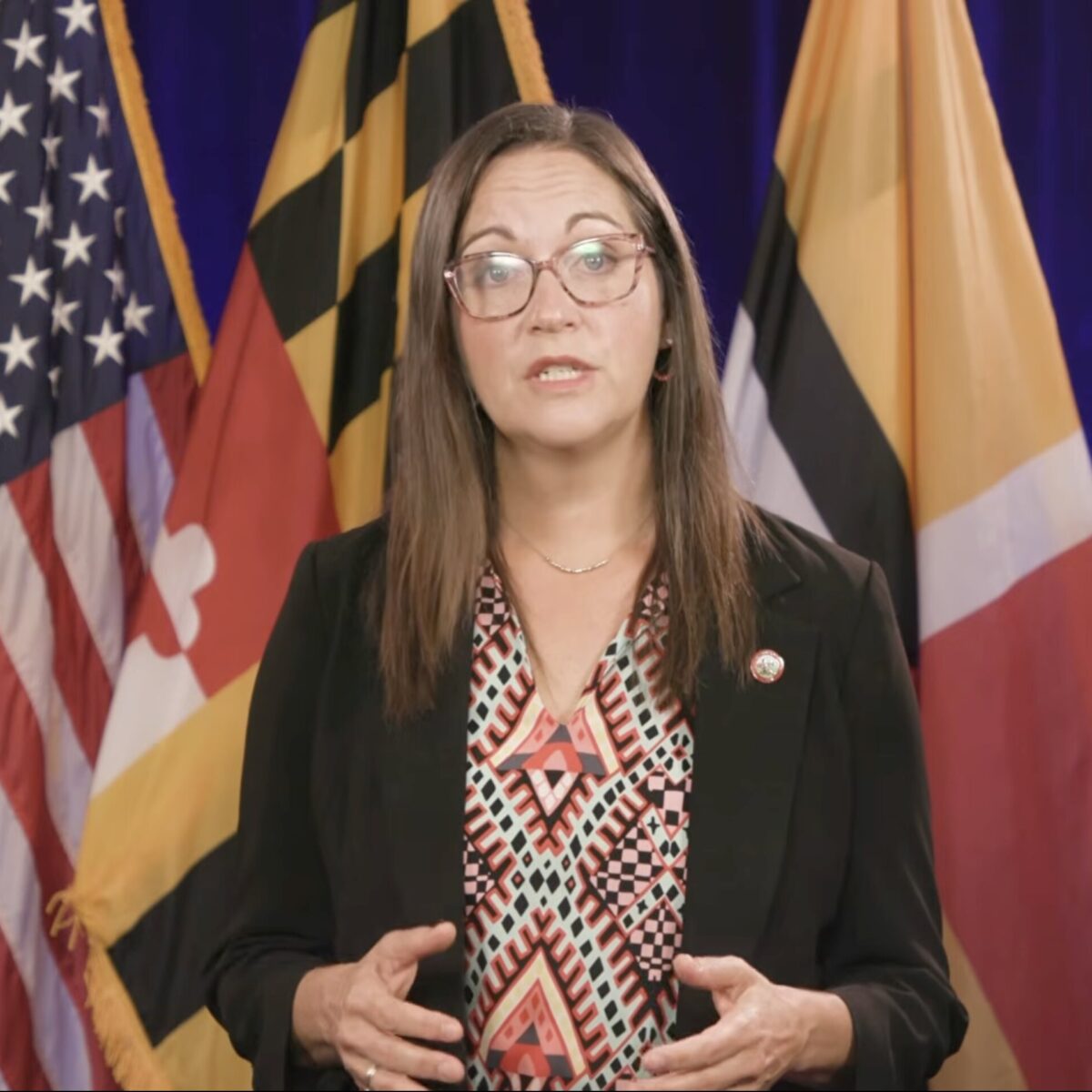
Chevonne Boyd knows events.
As director of operations at The Hive on Loockerman in Dover, Delaware, she once hosted lawyers who rented the downtown venue for two weeks to run a pop-up office. She’s done baby showers, micro weddings, open mics, business conferences and retreats. For her, planning is the easy part.
“I know my business,” Boyd told Technical.ly. “I know how to plan from beginning to end with my eyes closed. But I did not know business.”
To fill that gap, Boyd enrolled in Launcher Dover, a 14-week entrepreneurship program offered locally through NeighborGood Partners. The program grew out of a West End Neighborhood House initiative in Wilmington, the state’s largest city, with Dover, the state capital, launching its own version in 2018.
The program was designed to “take advantage of the talent within the local community to create wealth from within.”
Will Grimes, NeighborGood Partners
Dover’s home of Kent County, which comprises the state’s midsection and is home to a population of just under 200,000 has sometimes carried a reputation for being light on resources for entrepreneurs. Boyd doesn’t buy it, and the numbers, while they don’t rival corporate relocation headlines, do show steady activity. Launcher Dover has helped create more than 216 jobs, according to the org, supported about 28 brick-and-mortar business openings, while connecting students with roughly $178,000 in loans and more than $500,000 in grants. In a county of its size, it shows a pipeline of entrepreneurs becoming employers, storefront operators and community anchors.
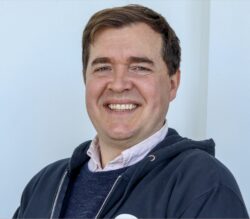
For Will Grimes, vice president of operations at NeighborGood Partners, those outcomes highlight the potential in Kent County. The program was designed, he said, to “take advantage of the talent within the local community to create wealth from within,” keeping dollars circulating close to home and helping entrepreneurs build businesses that hire locally.
Launcher is one piece of a broader ecosystem taking shape in Dover that includes entrepreneurship and innovation hub DSU CURE, The Hive and the state’s Division of Small Business, among others. What’s emerging is a small-town support system of organizations that know each other, send clients to each other and share a common goal.
Addressing barriers in the ecosystem
Launcher’s participants reflect the range of entrepreneurship happening in Kent County: barbers, beauticians, event planners, restaurant owners, towing companies, dog-boarding businesses, mechanics, embroidery shops, doula organizations and nonprofits. What many share, Grimes said, is expertise in their craft without the business infrastructure to support it.
Access to capital is the most common barrier. So is the disconnect between doing the work and running the business behind it.
The 14-week program costs $100, with sponsors like Discover Bank helping bring the approximately $2,500 per student cost down.
Launcher teaches participants to complete a working business plan that it can put in front of funders. After class ends, each student gets 10 hours of facilitated time with an instructor, then access to business advisors through West End Neighborhood House. Some graduates from the very first 2018 cohort still reach out for technical assistance as their businesses hit new stages.
“We continue to check up with them,” Grimes said. “We make sure that we have the resources available for whatever stage they may be in as their business continues to grow.”
For Ebonie Conway, it started with a charcuterie board she made for her son’s high school event in 2023.
She posted it on her personal social media page, got compliments, and then started getting messages asking if she sold them. She didn’t, but the response sparked something. Conway had spent about 20 years in corporate America, and the boards had become a creative outlet on the side. In 2024, as she prepared to leave her corporate job, she registered the business and started thinking about how to stand out beyond boards and grazing tables.
The answer was a mobile charcuterie cart, which lets Charcute D’Licious serve customers at private events, local markets and pop-ups.
Conway first came across Launcher on social media, through people she followed who had gone through the program. A month or so later, she showed up at a local Dover event and happened to meet one of the program’s instructors. She signed up that day.
The class, she said, helped her step back and look at her operations more clearly. The relationships became just as central as the curriculum. Classmates have become a resource network, sharing opportunities, collaborating on events and passing along information relevant to each other’s businesses.
Conway recently won a grant through a Barclays program and plans to use the funding to add a second mobile cart, expanding beyond charcuterie into customizable offerings: parfaits, popcorn, build-your-own s’mores. The goal, she said, is flexibility.
“We want to be versatile,” Conway said.
Building something in Dover
Originally, The Hive was going to lean into coworking. But when DSU CURE opened spaces in Dover — including one on State Street, walkable from The Hive — Boyd pivoted. Rather than compete, she partnered. If someone comes to The Hive needing office space, she’ll walk them over herself.
That instinct to route rather than duplicate is part of what Boyd sees solidifying across Dover’s entrepreneurial community. Launcher, CURE and The Hive hold the biggest local footprints, she said, and the Division of Small Business and other partners are active throughout Kent County.
“When I first started, I thought there was a lack of support and resources,” Boyd said. “But when we got into the community, I realized that we weren’t short of resources and support.”
The harder question, she said, is why more entrepreneurs don’t show up to use them.
Not that they’re sitting unused. Launcher’s most recent spring cohort had a waitlist of 54 businesses, prompting its organizers to consider adding a smaller summer session on top of the two annual classes already offered.
Launcher is also looking at how to expand its reach, Grimes said. Currently, it’s exploring how to reach Dover’s Haitian Creole-speaking community, taking a cue from a Spanish-language program connected with La Plaza in Georgetown.
For Boyd, that kind of outreach matters because business resources only work when entrepreneurs feel connected enough to use them.
“Launcher gave me a group of extended family,” Boyd said. “When we came together on Mondays, everyone was for everyone.”