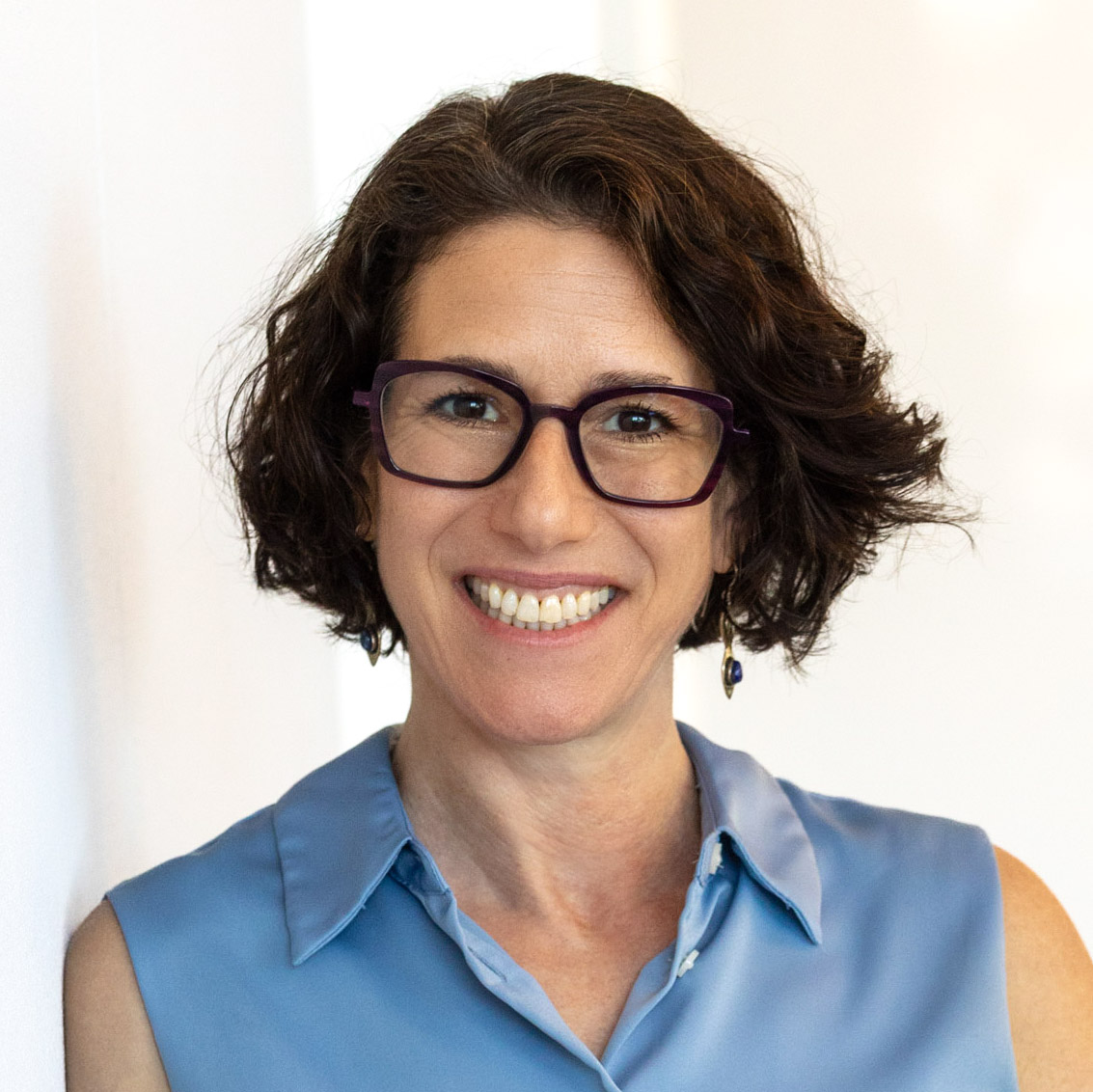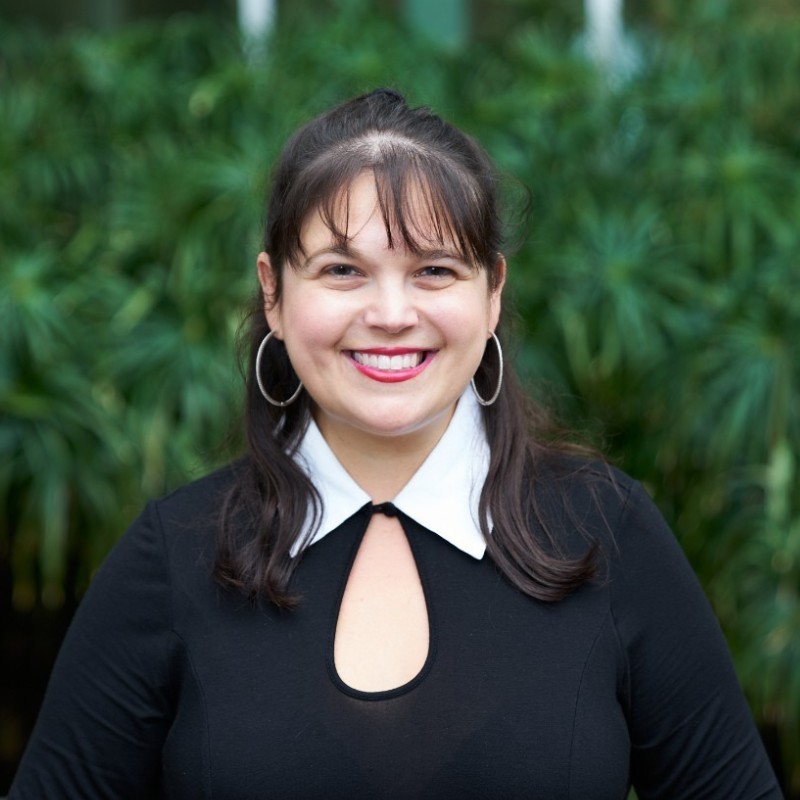
Fehmida Kapadia always held a soft spot for Maryland — so much so that it eventually drew her back to launch her own venture.
In the 1990s, she moved to Baltimore from India to pursue a Ph.D. in biochemistry. Though she eventually transferred to Ohio State University, she never forgot her early years in the area.
“What makes a successful entrepreneur is perseverance.”
Fehmida Kapadia, Amplify Medtech
After spending nearly two decades away, Kapadia felt a pull back to Maryland. In just a few years since returning, she has already made a significant impact in the DMV’s entrepreneurship ecosystem.
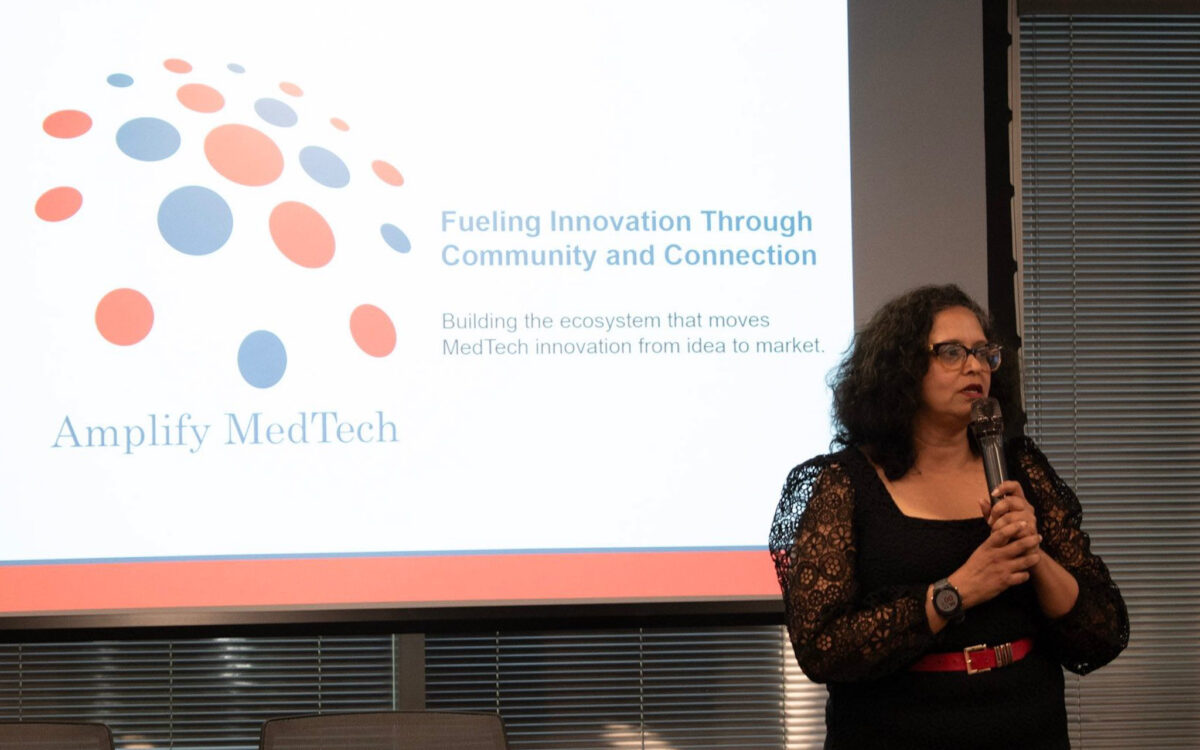
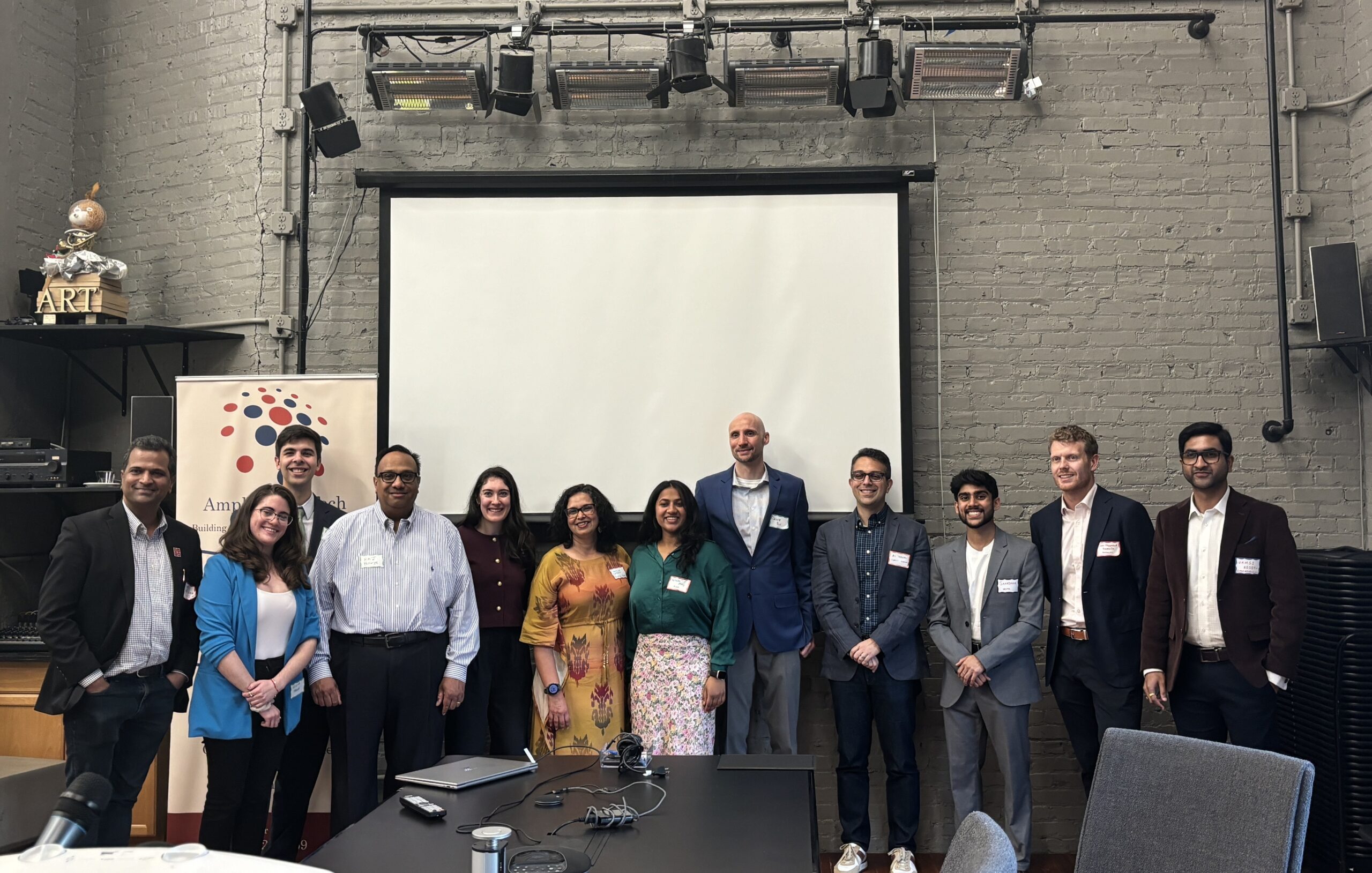
In 2024, she launched Amplify Medtech to support local early-stage startups, hosting events, organizing workshops and connecting founders with essential resources. She’s also actively raising a $1 million seed-stage fund, Fay Ventures, and has already secured backing from investors nationwide.
Kapadia aims to bridge the gap for medtech startups as they struggle to secure capital, especially at earlier stages, she said.
“This is an industry that is only growing with AI,” Kapadia said. “We just don’t have enough funding to support all these startups that are in this space.”
For this edition of How I Got Here, Technical.ly chatted with Kapadia about her transition from research to ecosystem building and what entrepreneurs should consider before choosing their venture.
This Q&A has been edited for length and clarity.
How did you land in the entrepreneurship realm?
When I was doing my postdoc, I was trying to figure out what I wanted to do long term. I considered getting an MBA, but I knew I was passionate about healthcare and wanted to stay in that space.
At Case Western Reserve University, I found the Science and Technology Entrepreneurship Program, a master’s program for people with backgrounds in the sciences. I started taking classes while I was still working, and I immediately realized this was exactly what I wanted to do because it was focused on commercializing healthcare products.
I left my job to pursue the master’s full time. Along the way, I interned at BioEnterprise, an incubator in Cleveland, where I helped startups with commercialization and go-to-market strategies.
I also interned at a private equity firm, a consulting firm and a market research company because I wanted to understand the different paths I could take. After all of those experiences, I realized what I enjoyed most was working with startups.
What was your first job after your master’s?
I joined Cleveland Clinic to work with a faculty inventor who had developed a lab prototype for identifying premature stem cells that could be isolated and implanted.
I worked closely with him and the rest of the team on product development and figuring out where the technology fit in the market through customer discovery. I also helped develop partnerships and collaborations that were critical to advancing the product and moving it closer to commercialization.
What advice do you have for entrepreneurs?
If you don’t have a passion for a problem you want to solve, entrepreneurship is a very long, very hard journey. You’re going to lose steam along the way. What makes a successful entrepreneur is perseverance. That perseverance comes from being deeply passionate about the work you’re doing.
So the first step is figuring out whether there’s a problem you’re truly passionate about solving. If you can’t find a solution anywhere else, then yes, you should absolutely pursue it.
The good news is there are a lot of resources in the ecosystem to support entrepreneurs, especially in the medtech space. What’s most important is being open to learning, being coachable, accepting advice and being willing to act on that advice — even if it means pivoting from your original idea.