• In honor of the US Semiquintennial on this Fourth of July, Technical.ly’s Builders Live podcast reviewed the entrepreneurial activity in all 50 states plus Puerto Rico in just 40 minutes. New business ecosystem building has become a genuine, nationwide movement.
• All states may have some pro-entrepreneurship strategy, but they vary in effectiveness and need.
• An analysis of the share of 2025 business applications that are most likely to employ others show major variation: From nearly 40% in New York state down to 22% in Washington state.
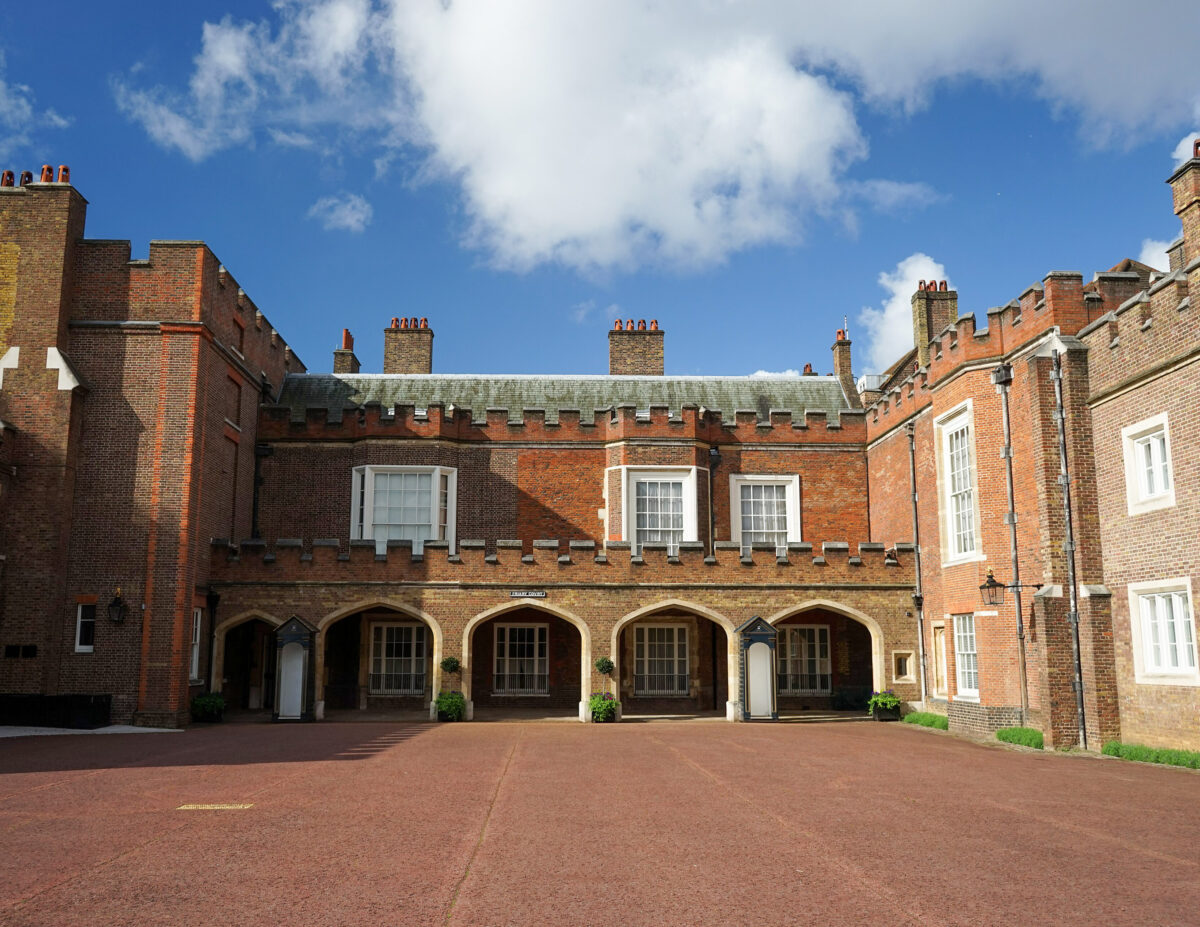
This past weekend I walked past St. James’s Palace in London, the longtime seat of the British royal court. Two hundred fifty years ago to the week, the ministers who ran the empire from that court were certain the American colonists would never actually leave.
The colonies were fractious and disagreeable: 13 squabbling governments with rival religions, economies and tempers. British officials read all that discord as weakness.
Surely a people who couldn’t agree among themselves wouldn’t unite against a crown.
They were wrong, of course. Within days, the Declaration of Independence made the break official. The misread wasn’t of American strength. It was of American diversity — the enduring mistake of believing that disagreement means division.
Unlike almost anything else in American life, entrepreneurship polls across the divide.
Two and a half centuries later, we make the same mistake about ourselves. We are once again a loud, divided, disagreeable country, and plenty of people read that as a nation coming apart.
Spend an hour looking at where economic energy actually lives right now, though, and you’ll find something quietly knitting the country together: entrepreneurship. Unlike almost anything else in American life, it polls across the divide, with 94% of adults saying everyone deserves a fair shot at starting a business. Every one of the 50 states — plus Puerto Rico and the territories — now has some strategy for building new businesses. And new business is where net new jobs and breakthrough innovations actually come from. The movement is real.
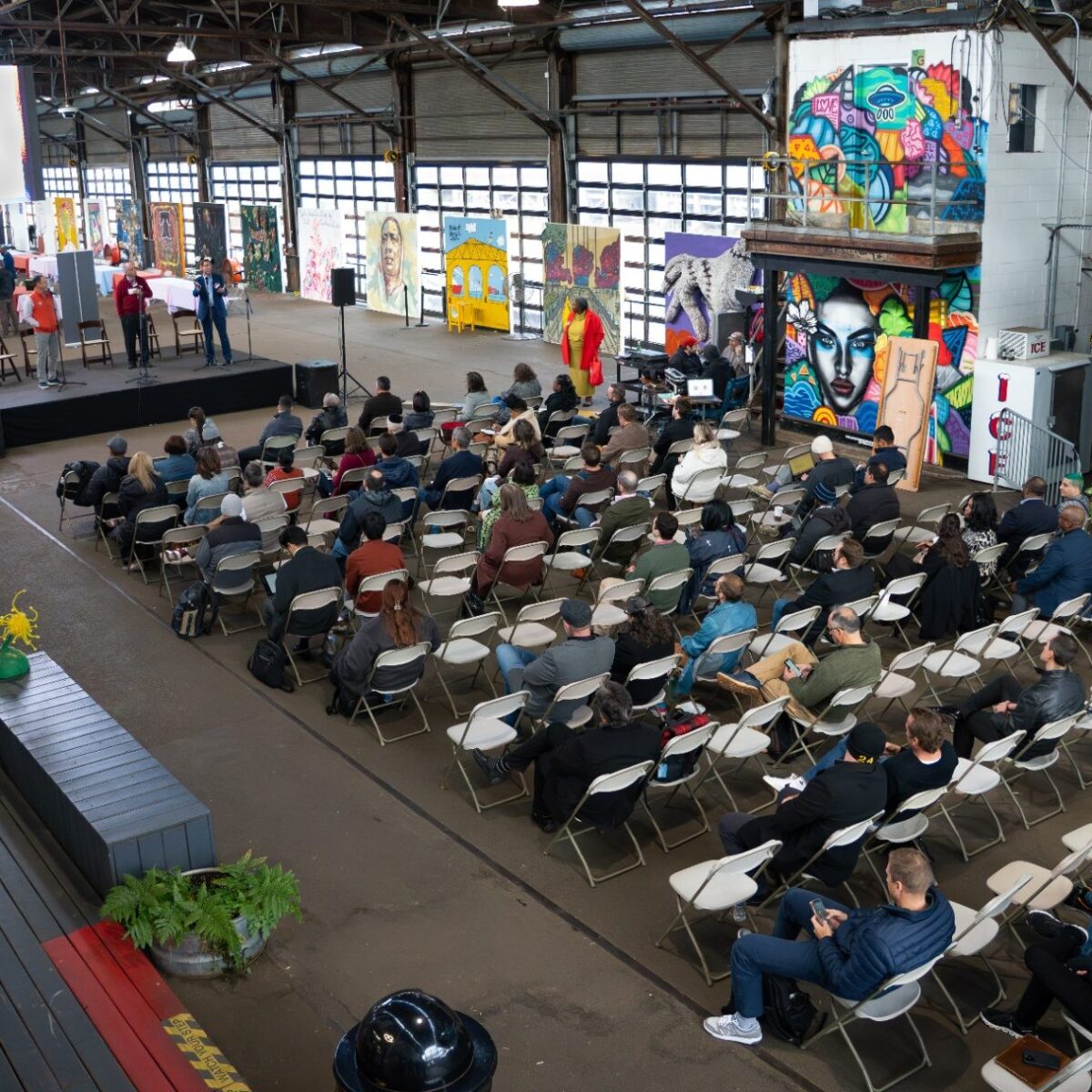
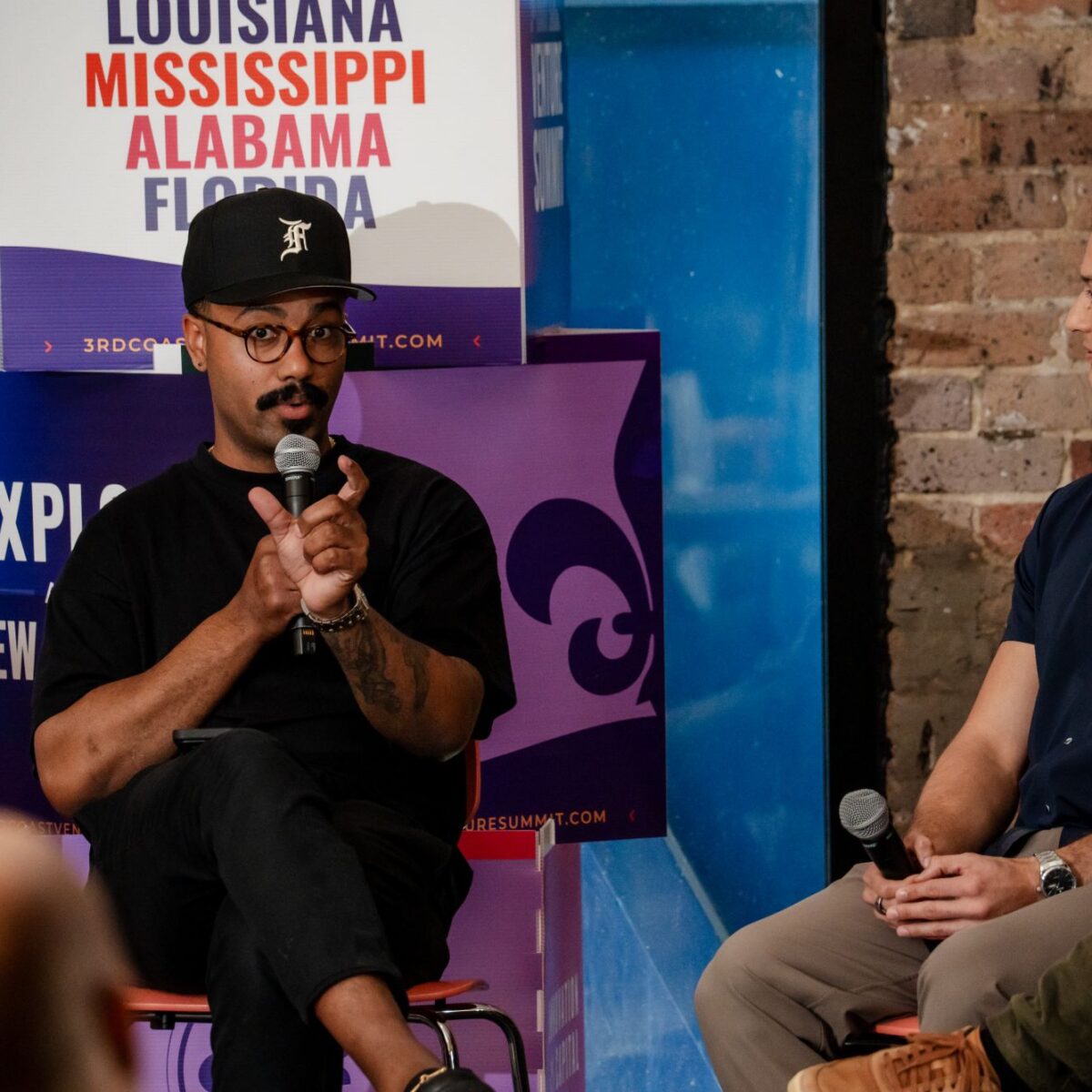
I put that claim to the test on a recent Builders Live recording. I handed my co-hosts Victor Hwang of Right to Start and Taylor Eubanks, founder of the new “capital architecture” firm BlendHQ, a deliberately absurd challenge: 40 minutes, 50 states and a territory, name the entrepreneurial activity happening in each. We made it. There was plenty of material; the only trouble was running out of time.
All of the examples are different, and that’s the point.
Nevada passed what backers call the country’s first Right to Start Act, standing up a state office of entrepreneurship. Colorado cut the cost of starting a business to a single dollar and reported a 30% jump in new-business activity. In Oklahoma, the governor and Oklahoma City’s mayor separately made entrepreneurship their shared pet issue. Maine is commercializing products from its forests. Oregon is building a shoe-innovation district in Portland. Kansas leans on its animal-health corridor and more community foundations than any other state. North Dakota is riding an agtech boom.
No two states are doing this the same way. A country this varied was never going to produce a single template — that variation is a strength when we learn from each other.
Notably, starting is not the same as scaling. The cost of launching a company has collapsed, but the networks and capital that turn a start into something durable stay stubbornly concentrated in a few coastal hubs. More than 4 in 5 of the 6.6 million businesses Americans started last year will never hire a single employee. And in state after state — New York, New Jersey, Virginia, Georgia — I heard the same tension: vibrant regions that still can’t knit themselves into a coherent statewide identity.
So business starts are up everywhere, but they’re not offering the same economic benefits everywhere. Given that entrepreneurship is the start of the American economy, it’s important to benchmark. Compare each state’s share of business applications in 2025 that were for “high-propensity businesses,” those most likely to employ other Americans.
Setting aside incorporation havens like Delaware, those highest-performing states benefit most from high-growth entrepreneurship – economic giants like California and New York, and also surprises like North Dakota and West Virginia. Texas’s share is middling, in part because the big state has both dynamic regions and poorer ones. The states with the lowest share of likely-to-grow firm creation last year are a mixed bag: Ohio and Kentucky, MIssouri and Louisiana.
All demand different economic development strategies. In part, that’s happening. Distributed pluralism is the American way, something worth honoring on this Fourth of July, marking 250 years since the Declaration of Independence.
We remain an immigration economy: Immigrants started 2.3 million of last year’s new businesses, at roughly twice the rate of people born in the US. The 50 states aren’t converging on one right answer. They’re running 50 experiments — and increasingly looking across the state line to borrow what works.
“None of these problems are unique to us,” Eubanks said. The fix is often just next door.
Documenting all of it is the job. Last year we launched technical.ly/ecosystems, the first narrative summary of state-level entrepreneurship activity across the country — 57 regional ecosystems and counting. It’s incomplete, and we’re in the midst of an overhaul to make it even more useful. Storytelling like this is economic infrastructure: It makes a sprawling, disagreeable movement legible to itself. That Builders Live podcast recording is a preview.



The court at St. James’s mistook a quarrelsome people for a weak one. We still send an ambassador there — formally, to the Court of St James’s — 250 years after we walked out of it.
The lesson holds. Something is happening in your state, whether you’ve noticed or not: a meetup organizer, a state bill, an office of entrepreneurship, a founder betting on a place that isn’t supposed to work. You might even be the one doing it. If so, welcome. You’ve joined a movement that looks a lot like the country itself: loud, uneven, spread all over the map, and stronger for it.
A generation after US independence, the insightful French diplomat Alexis de Tocqueville wrote that in the United States, “the citizens are divided into hostile camps.” We crash through periods of calm and frenzy.
Just when it seems the American system can’t sustain, “the river, which had nearly broken its banks, sinks to its usual level,” de Tocqueville wrote in the 1830s. “But who can refrain from astonishment that such a storm should have arisen?”