Some DMV startups are bucking the region’s government contracting reputation and leaning into consumer tech — building different products like AI laundry apps and smart highchairs.
While local funding still skews heavily toward defense contracts, consumer startups report a strong customer base that keeps them rooted. Alongside entrepreneurial support from local universities and tight-knit industries, it’s enough to keep local founders anchored in a region rocked by shifts in federal politics.
“We have the natural seed … to let us to grow, but maybe just need a little bit more effort to connect the dots together.”
Branda Fan, nowy
“This is my home base,” Ali Alawad, founder of the laundry tech firm Washera, told Technical.ly. “I wanted to solve real problems for the community around me.”
Proximity to the feds has long brought major defense tech firms and small software contractors to establish headquarters in the region, drawn in by opportunities like massive agency deals, long-term contracts and SBIR grants.
Waves of DOGE cuts and changing rules for government contractors helped jumpstart calls for diversifying local economies to rely on more than the feds. Government contracting-heavy DC, Maryland and Virginia are now grappling with how to ensure a healthy economy.
It comes from the highest levels, as DC leadership ramped up calls to diversify the city’s economy and bring in more tech companies, aiming to depend less on the government.
For consumer-facing startups, that sounds great in theory, but city funds for startup support and direct investment have been slow to change. Many programs are still focusing on verticals like AI, quantum and defense technology.
Meet five consumer tech startups setting up shop anyway, sharing what keeps them here and why they believe this market can thrive.
Smart lockers for laundry
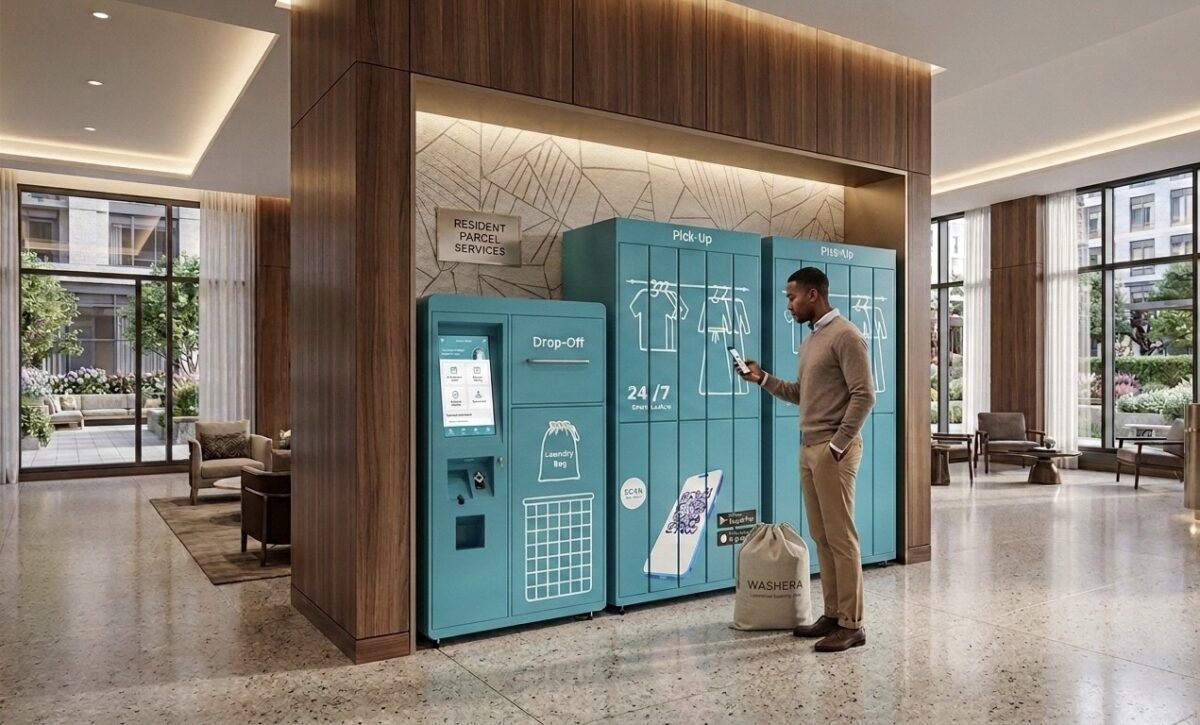
Washera in Reston provides a laundry service powered by smart lockers and an app that brings cleaning services to consumers on-demand.
Unlike other services, Washera users don’t have to go directly to a laundromat. Instead, the drop-off and pick-up locations may be integrated into errands they’re already running, like going to the gym.
Customers take a photo of their clothing, and the app will automatically categorize the garment, recommend a cleaning service and generate a cost. Or, they can have the tech do it all, dropping off an entire bag to be sorted using AI.
As the clothes are cleaned, the consumer can track what’s happening in real-time through the app to see when they’re washed, dried and ironed.
Because Washera lockers are connected via cloud, people can drop off their clothes at one location and pick them up at a completely different locker.
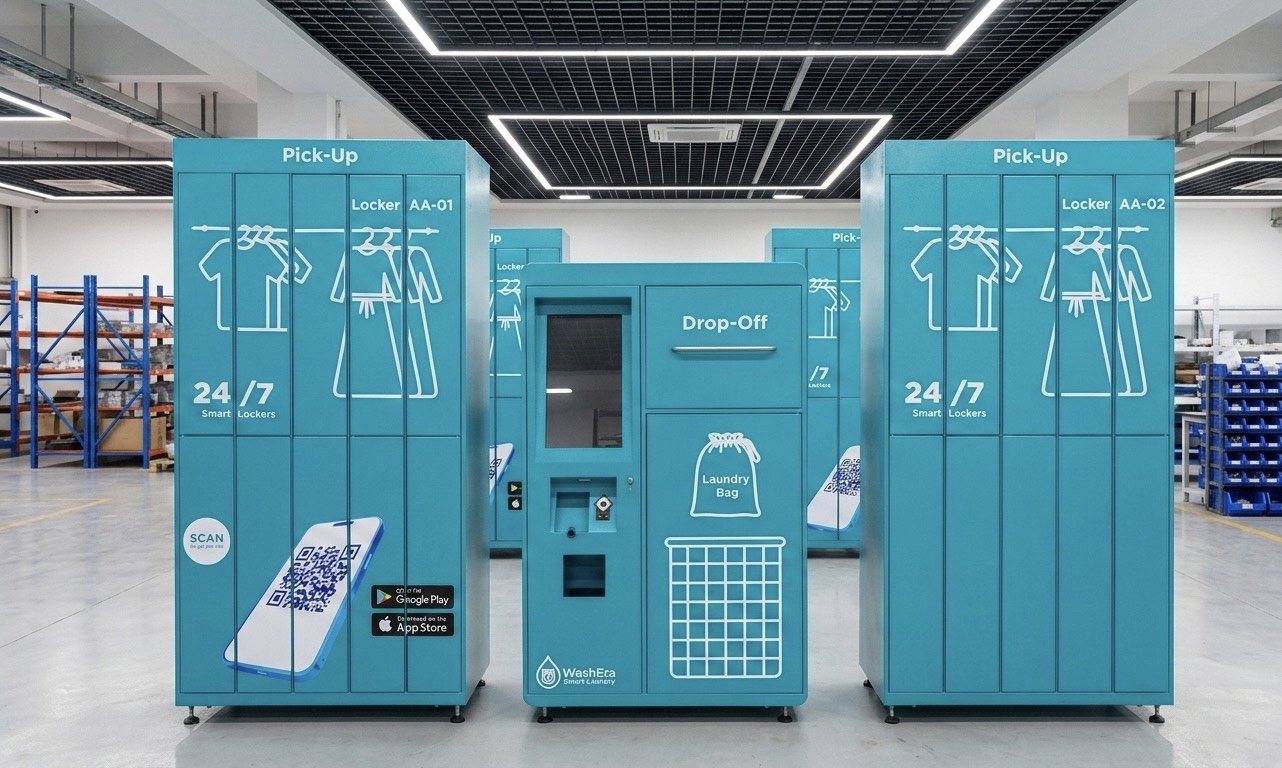
Founder Alawad, an electrical engineer and PhD candidate at George Washington University, is piloting the product in Northern Virginia luxury apartment buildings. The residential boom in that part of the region is a reason why he’s staying here, he said.
The cost is not yet public beyond the pilot (Alawad cited not wanting to release for competition reasons). But he wants to keep it accessible, he said, especially for young professionals and students.
Turning personal loss into practical estate tools
When Adam Zuckerman’s father passed away, his financial advisor said Zuckerman took some of the most detailed notes regarding the estate that he’d ever seen — and told him he should help others.
Now, his estate planning startup in Potomac is creating tools called CLEAR Kits to gather necessary information for end-of-life preparation.
Buried in Work’s kits are all in-print and include information like bank accounts and Social Security numbers. Keeping the sensitive data in a physical medium is intended to alleviate security issues, and because older generations don’t want to fill out paperwork on a computer, Zuckerman said.
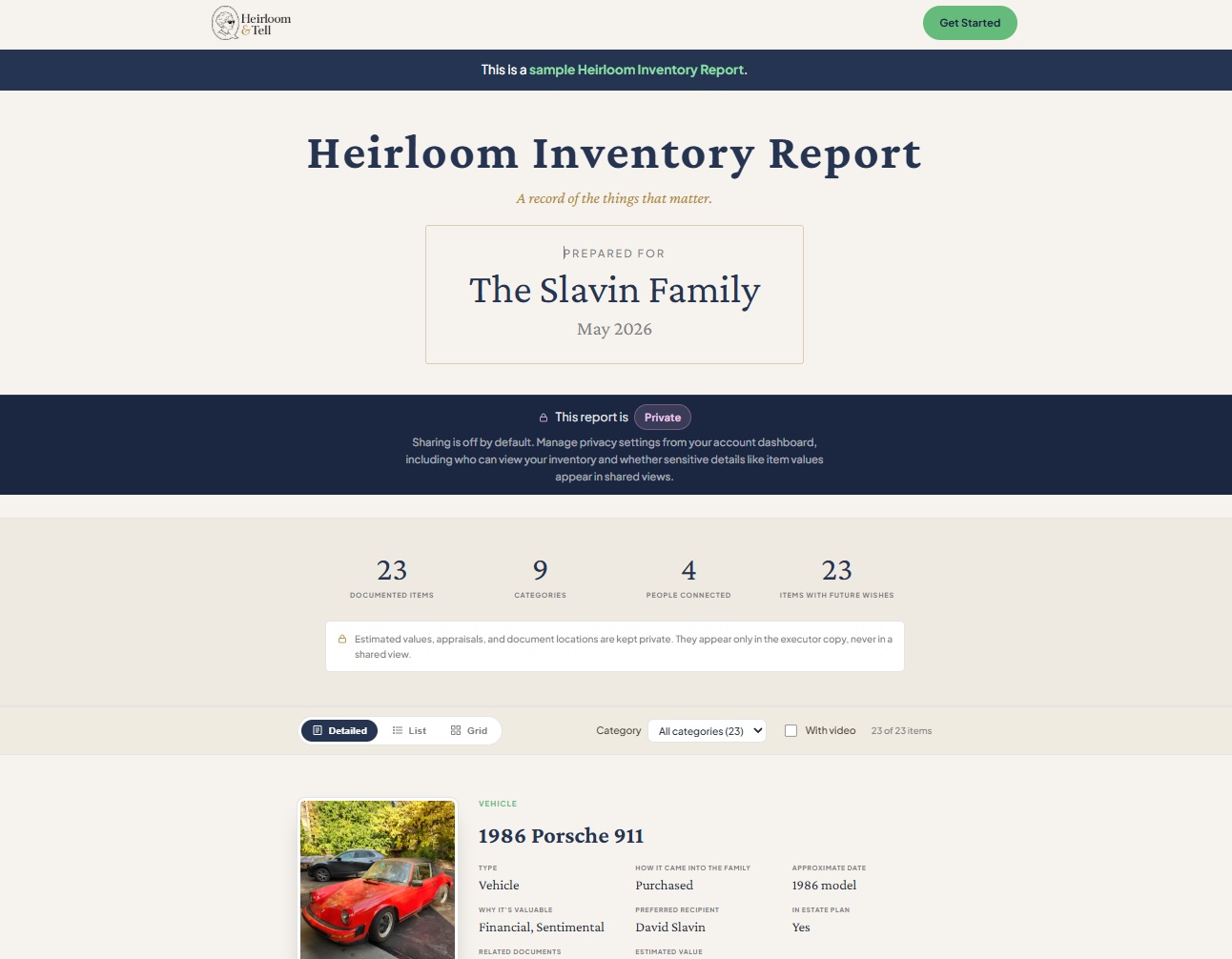
The startup is starting to use AI through Heirloom & Tell, a platform to help families capture and preserve memories. Once the user provides an initial point, the tech will ask follow-up questions to go deeper.
Signing up for early access is live and the platform will be available in August.
“It’s a scavenger hunt to find the information that they need,” Zuckerman said. “That’s what the CLEAR Kits … [are] designed to solve, is to make that process less confusing.”
A Potomac native, Zuckerman’s family ties have kept him in the region.
The startup ecosystem is also a plus, but he’s taken a step back because many startups he’s seen are focused on fundraising, Zuckerman said. That’s not what his company needs — rather, he reaches out to specific people in his network if help is needed, he said.
Another issue Zuckerman has run into is affordable manufacturing. To cut costs, Buried in Work now builds its kits in Charlottesville instead of more locally in Beltsville.
AI travel planning to beat FOMO
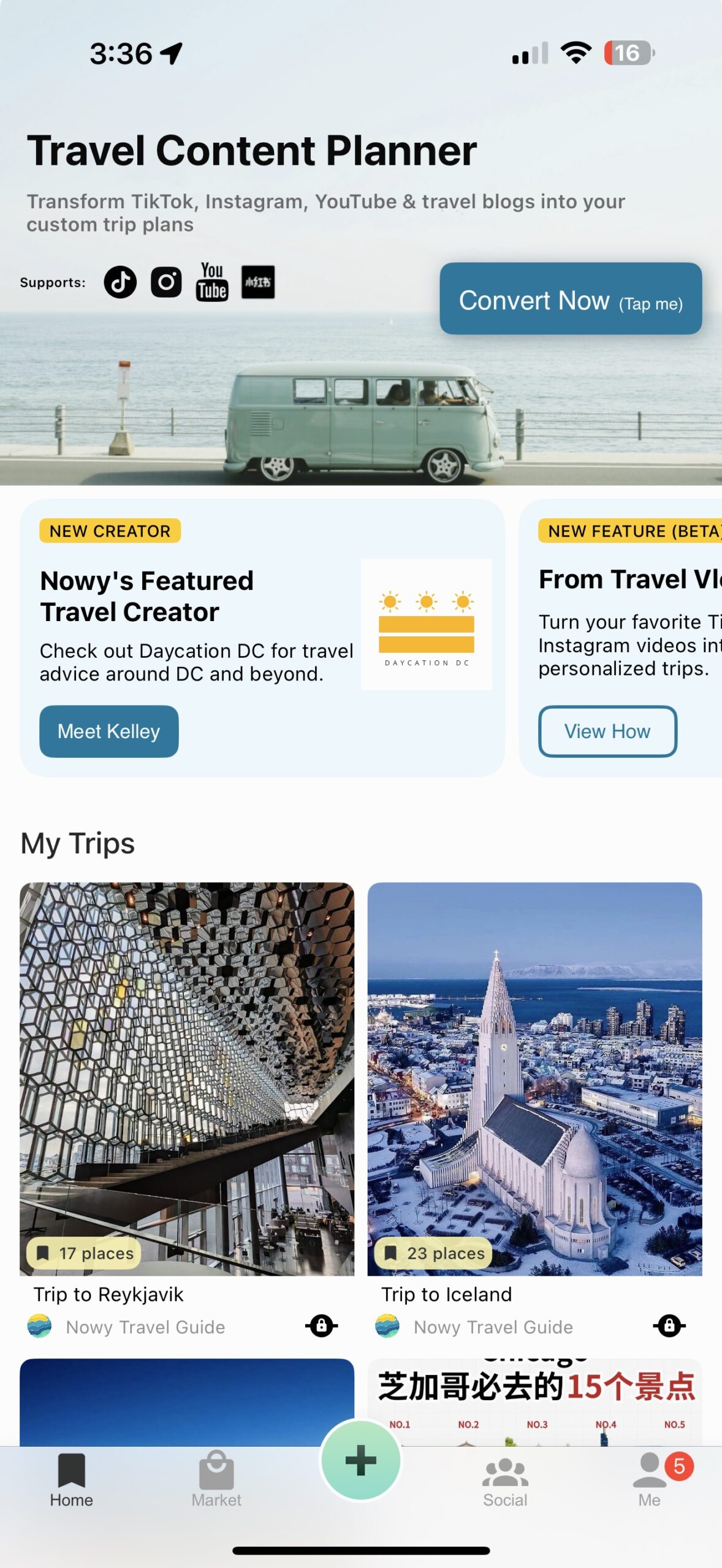
Nowy, based in Frederick, allows people to paste social media links into the app to generate travel itineraries, and AI agents plot destinations on a map. Users can also plan trips without ideas from social media, instead by answering questions like the reason for travelling.
Then, they can book flights and hotels through the app and track the destination’s weather, all in one place and with friends.
Founder Branda Fan started the company inspired by spontaneous travels during her childhood with her father.
“I became … really FOMO about losing life moments,” Fan said. “You just never know when it’s your first time or maybe last time. I didn’t stop my adventure after my father passed away.”
Fan believes the DC region has the potential to be the next Silicon Valley and foster more of a consumer tech focus. That’s why she wants her company to be headquartered in the DMV, along with entrepreneurial support like Georgetown Ventures.
“We have the natural seed … to let us to grow, but maybe just need a little bit more effort to connect the dots together,” Fan said.
Mobile mealtime for toddlers
When Veza Innovations founder Karen Maschi’s toddler hated eating in a highchair, she looked for alternatives. He loved to cruise around, she said, and hated being stuck in one place.
“When I was looking on the market, there’s nothing that supports someone developmentally that pediatricians … approve,” Maschi said. “That’s why I came up with Veza Innovations.”
She’s developing the US-patented VezaFlex highchair, which allows babies to safely either sit or stand while they eat. The VezaFlex can be used in “sitting mode” starting when a child is about four to six months old. At about 10 months, the baby can start to use it to stand safely.
As time goes on, it can be used as a chair.
“Toddler towers” are on the market, but those don’t offer secure support for babies and younger kids, Maschi said.
Interested customers can sign up for access to the VezaFlex via a waitlist. Presales have not started yet, Maschi said.
Maschi believes there’s a “hidden startup ecosystem” of consumer innovation and has found a community of women entrepreneurs in that space, she said. She’s also leaned into the region’s life sciences resources through local universities and hospital systems.
A gamified way to stay informed
InPress, a networking app fueled by the news, may be headquartered in Brooklyn now, but it got its start in DC.
On InPress, users read vetted articles, rate stories and build up a media literacy score via a leaderboard. InPress founder Adam Harder hopes the gamification redirects people from doomscrolling.
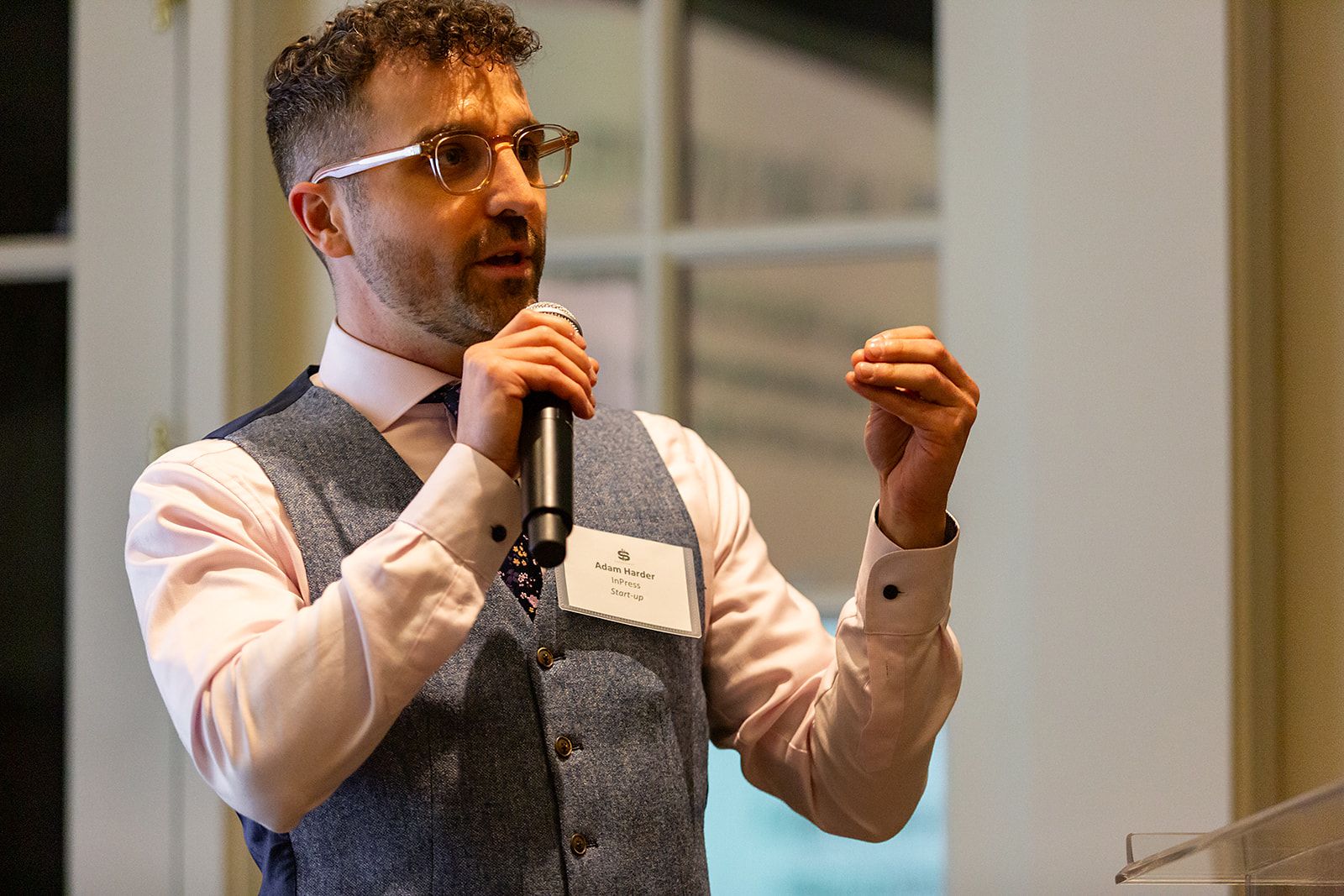
It first aimed to use these scores to set people up on dates — and DC was the ideal testing ground for its core audience, according to Harder.
“The types of folks who are plugged in, they’re highly educated, very actively dating,” Harder said. “It just made a lot of sense for us, and it worked.”
InPress shifted away from dating so more users like married people would feel comfortable using it, he said. Today, a more general audience can connect with friends to see where interests align.
Humans choose what is on the InPress app every day, pulling from publications like the Associated Press and local outlets across the country.
“We’re … not creating echo chambers,” Harder said. “We’re also not reinforcing pre-existing biases.”