
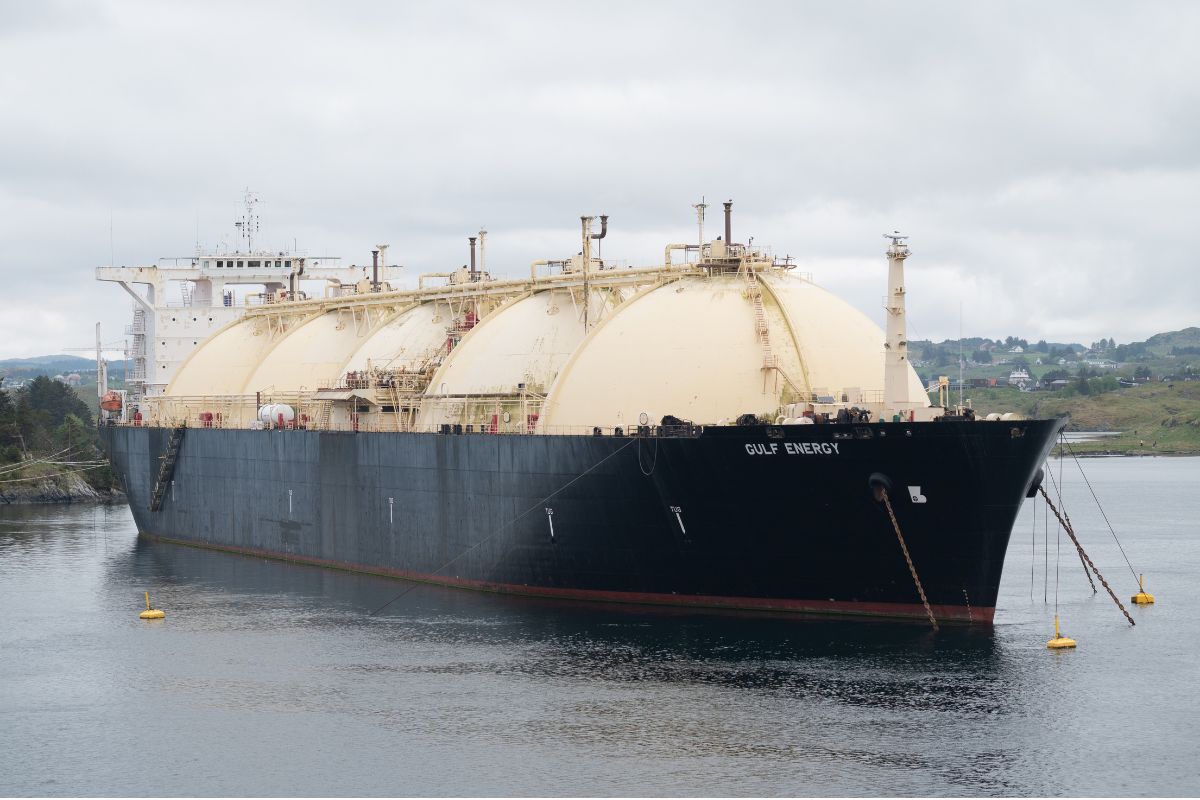
Houston liquefied natural gas export developer Delfin Midstream announced a near-win in financing for its $4.3 billion port off Louisiana’s coast.
At the end of May, Delfin said it is nearing the necessary funds for the first phase of the project — investments the company hoped to have in place last fall.
Word that Delfin’s first phase financing goal is complete may arrive in the coming days from the company, according to reports, for its port project in the Gulf of Mexico.
The floating design is the first-of-its-kind approved by the Maritime Administration, according to reports.
For Louisiana, the project would add another major LNG export development off Cameron Parish, where energy infrastructure, coastal risk and global gas demand already overlap.
Delfin’s financing could bring the company closer to building a new type of floating LNG port off Louisiana’s coast, in a state where energy production and exports are central to economic development.
The project would use offshore vessels, rather than a traditional land-based terminal, to liquefy and export natural gas — if federal approvals survive legal challenges and the project can move fast enough to beat a shifting global market.
Delfin originally planned to have phase one funding done by last November. Investments were reportedly slowed due to complexities in the debt and equity commitments the company is making with investors.
International energy players, like the German organization Securing Energy for Europe, and the UK company Centrica, have arranged purchase agreements, according to reports. Bloomberg reports that Dutch energy company Vitol Group was considering an equity investment in the project.
How Delfin’s floating port would work
The Delfin LNG project is a deep-water port that is planned off the coast of Cameron Parish, near the Texas border and just up the Gulf from Houston.
The port plan is for three floating vessels that can together export 13.2 million tons of LNG per year, according to the company.
A conventional LNG facility is a permanent building on land, often connected to offshore gas fields by underwater pipes. A floating LNG facility — like the Delfin project — uses ship-like vessels to liquefy natural gas offshore. Liquefying gas means cooling it so it shrinks and can be moved more efficiently.
Delfin says its floating design would allow the company to export LNG with minimal additional pipeline construction. The Cameron Parish project will require “minimal additional infrastructure investment,” per the company.
According to reports, the floating design is the first-of-its-kind approved by the Maritime Administration, or MARAD.
Legal and market challenges remain
Even if Delfin secures the financing it needs, the project still has to clear a legal hurdle over its federal approval.
Environmental groups, including the Center for Biological Diversity, sued, claiming the quick approval violated federal law because certain parts of the application process were skipped over.
On June 1, a Fifth Circuit panel questioned whether the environmental groups had the legal standing to file a suit against MARAD, and made nods to a recent Supreme Court ruling on the deference courts should have toward decisions made by government agencies.
If the 5th US Circuit Court of Appeals upholds the Trump administration’s go-ahead, and funding for the first phase is complete, Delfin will be much closer to being able to begin building its LNG port.
Delfin is in a race to have its LNG port operational before global supplies exceed demand, a scenario BloombergNEF expects to unfold by 2027.
Though LNG exporters have been readying for a windfall of profits from high prices tied to disruptions in the Persian Gulf, including the war between the US and Iran, a recent report by the Rainforest Action Network suggests that structural risks caused by the climate and litigation might dull those profits.