What looks like a fenced-in shipping container in the parking lot of a Newark, Delaware, industrial park is actually a machine that makes water out of thin air.
To be more precise, it pulls moisture from a humid atmosphere, then uses heat generated by data centers or other industrial facilities to condense it into liquid. With a footprint about the size of two parking spots, the device can produce up to 2,000 liters of water a day — roughly enough to meet a family of four’s average household water use for a day and a half.
Called Prime, it’s AirJoule’s largest atmospheric water generator, unveiled on Friday.
The process also sends drier air back out, giving AirJoule a second selling point.
For Montana-headquartered AirJoule Technologies, the unveiling marked the next step for a dehumidification technology rooted in more than two decades of federal research.
In 2024, the publicly traded company and Cambridge, Massachusetts-headquartered energy technology company GE Vernova , which contributed its own sorbent materials and coating expertise, formed AirJoule LLC, a 50-50 joint venture that operates its engineering and manufacturing facility in Newark, to commercialize and manufacture the systems.
“Today is not the finish line,” said Bryan Barton, president of the joint venture. “Today is the starting line.”
Prime is real, operational and very large. It is also still being refined. AirJoule’s Newark team is working to make the system smaller, less expensive and easier to manufacture.
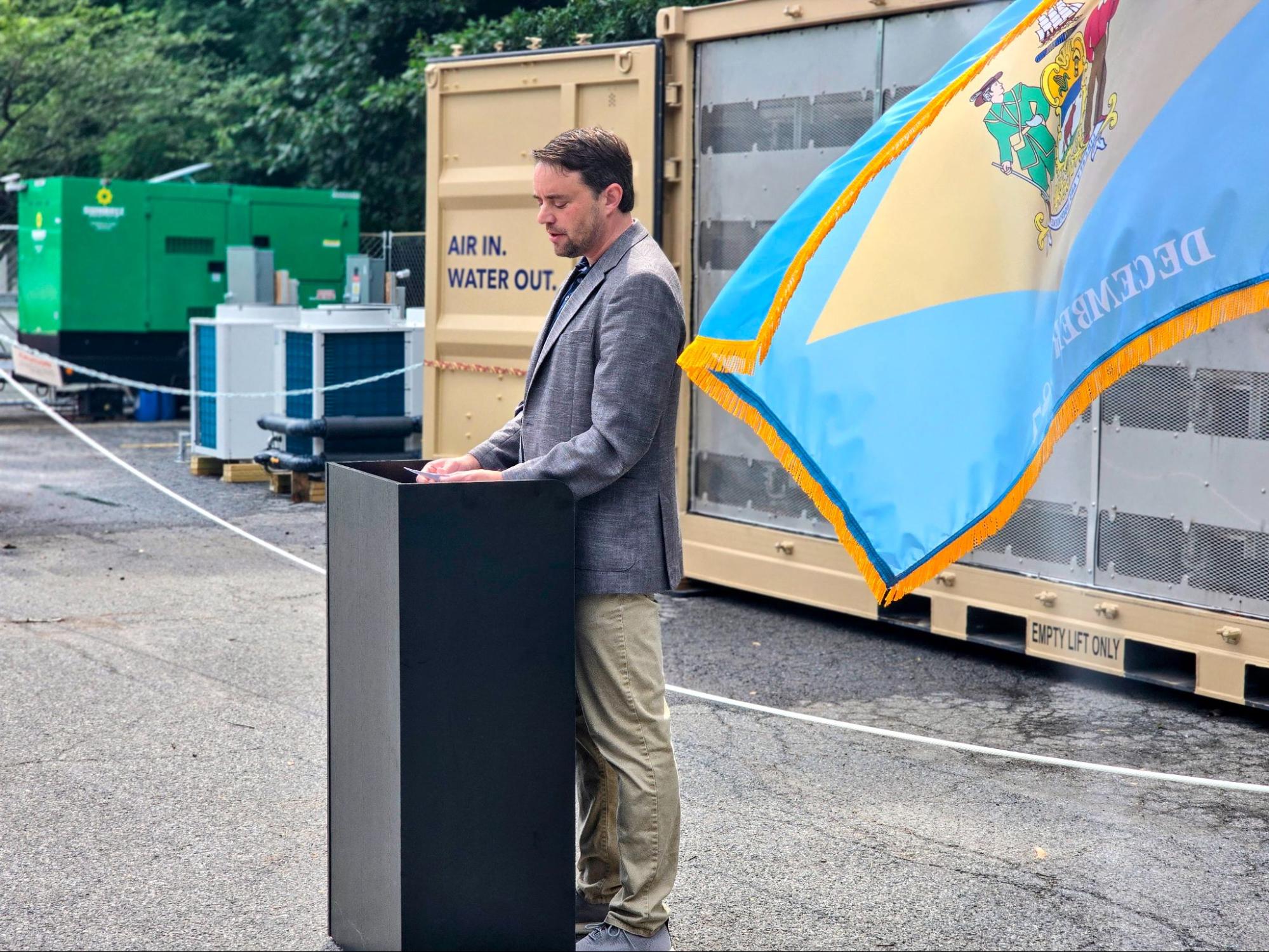
Two more units were already taking shape on the production floor during a tour Friday, according to Kunjan Khambhati, AirJoule LLC’s vice president of operations and supply chain. Those systems are expected to go out for demonstrations or customer trials, where they will collect data, reveal what needs improvement and help figure out what has to change before buyers start ordering more.
AirJoule is betting that rapid data center construction, along with widespread growing water stress plus demand for more energy-efficient humidity control will create a market for its systems.
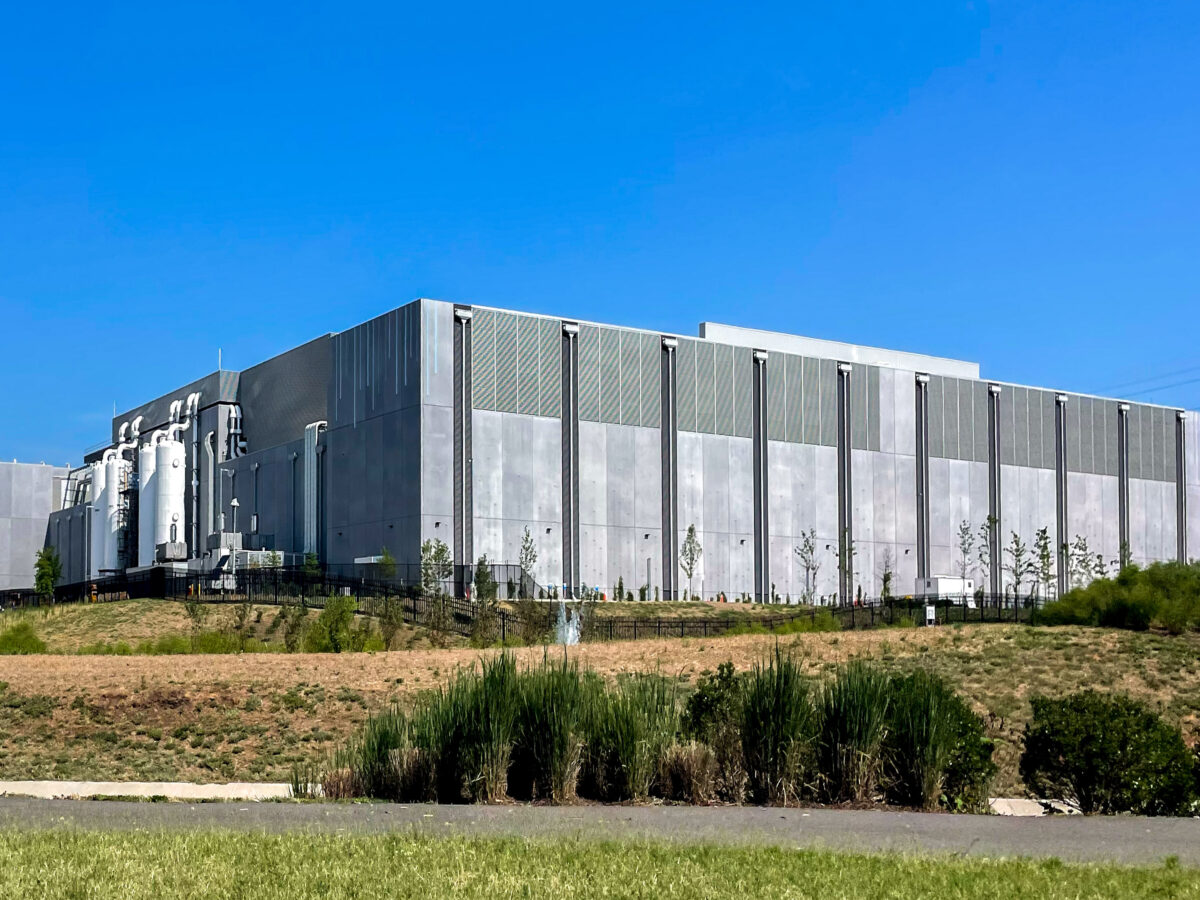
Prime could connect to cooling equipment such as chillers and heat pumps, Khambhati said, capture low-grade heat from those systems and use it to make water on-site. That possibility comes as communities scrutinize the water and energy demands of the data centers being built to support AI and cloud computing.
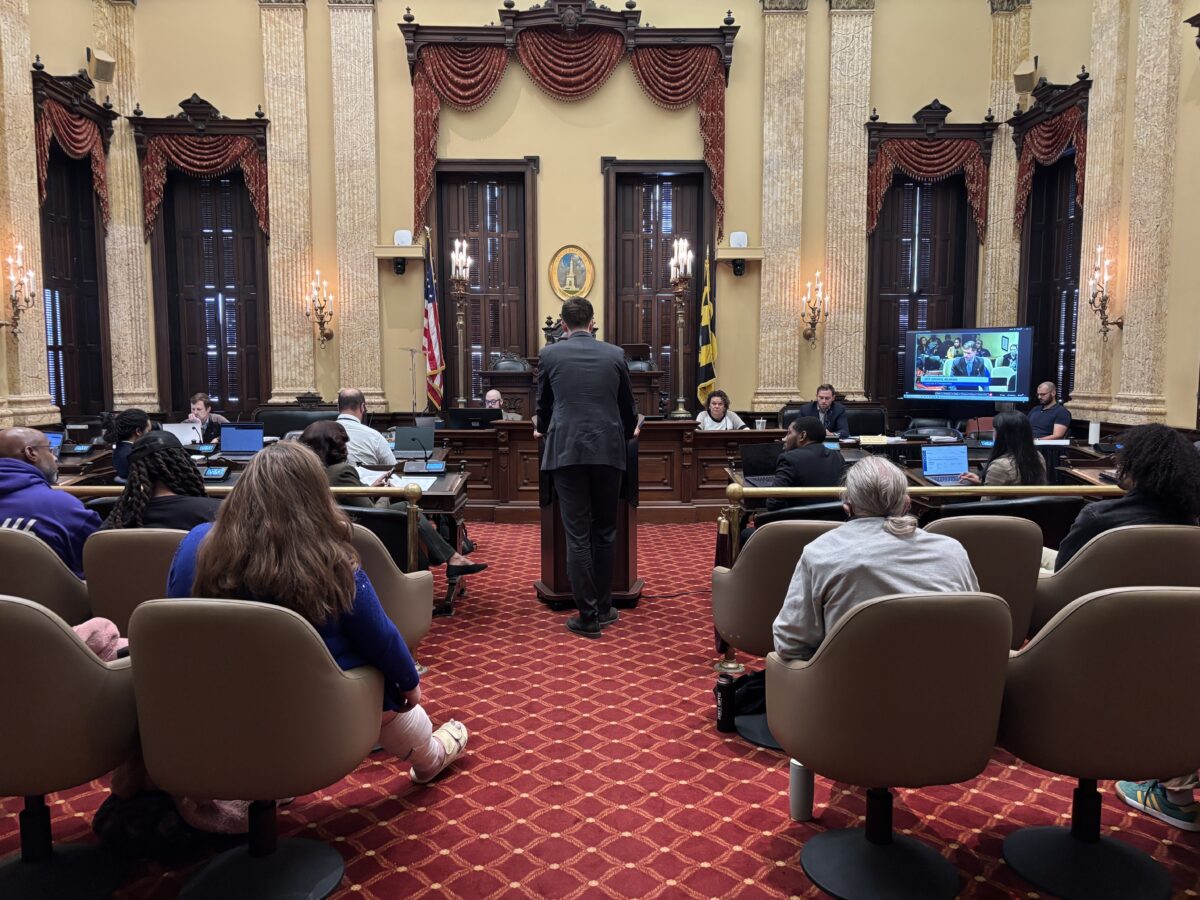
Delaware Gov. Matt Meyer acknowledged that anxiety during Friday’s event.
“These are problems to be solved,” Meyer said.
Not just a big dehumidifier
The technology behind AirJoule grew out of research at the US Department of Energy’s Pacific Northwest National Laboratory.
At the center of the system is a moisture-absorbing material that captures water molecules as humid air passes over it. Changes in pressure and heat then release that moisture as vapor, which is condensed into distilled water.
The process also sends drier air back out, giving AirJoule a second selling point. The system could be used in warehouses, cold-storage facilities, food-processing plants and other industrial sites where excess humidity causes problems.
Dehumidifiers aren’t anything new, but Prime differs from conventional refrigerant-based systems that cool air until its moisture condenses.
Cooling and reheating large volumes of air can require substantial electricity, especially on an industrial scale. AirJoule instead uses a sorbent material to capture moisture and is designed to take advantage of low-temperature heat already available from nearby equipment.
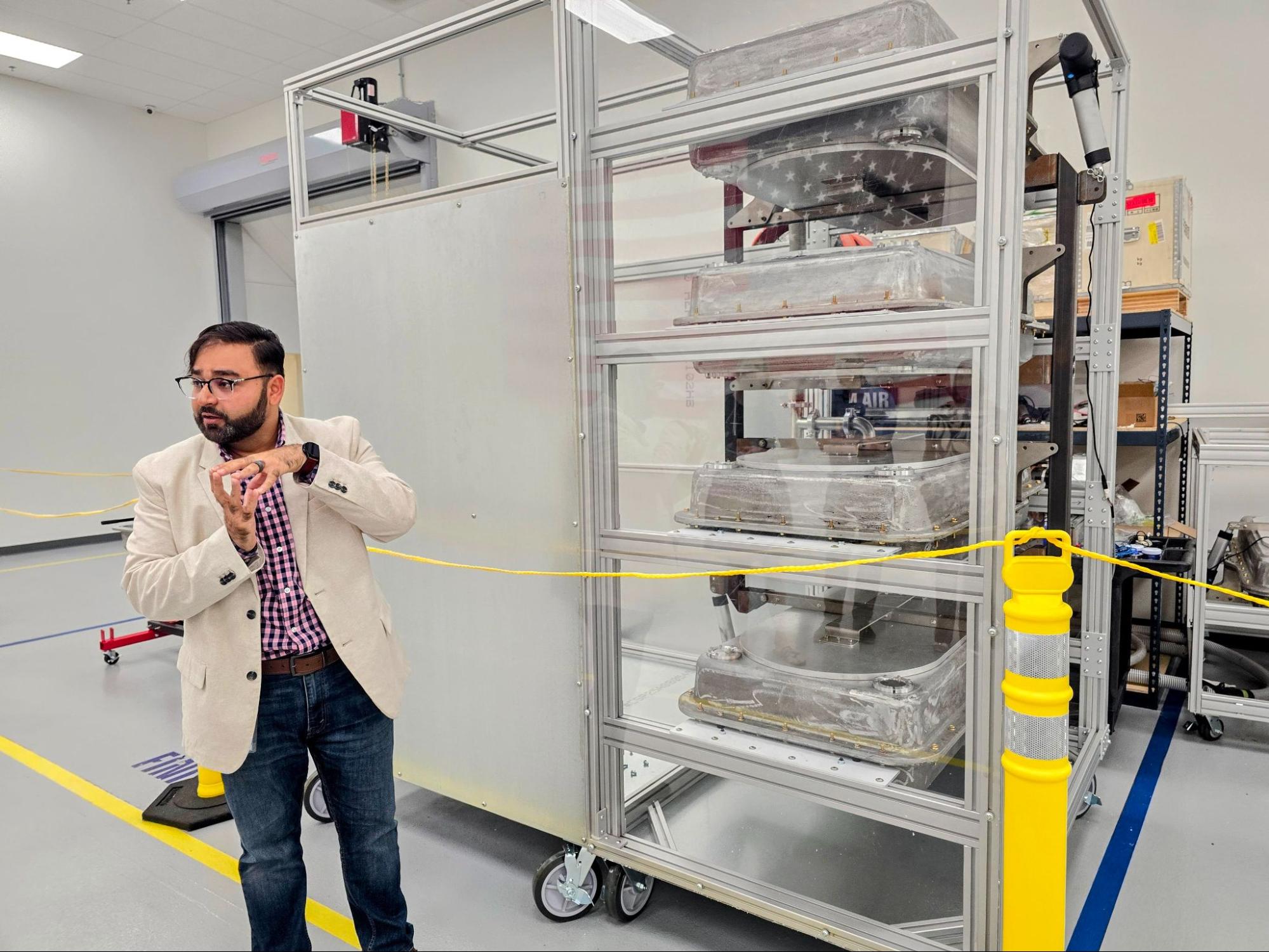
The company says that combination can remove more moisture while using less electricity than conventional systems.
Khambhati said internal comparisons found that AirJoule’s technology provided about 40% more dehumidification than conventional equipment.
Testing Houston in Newark
Prime’s water output depends on temperature, humidity and the amount of heat available at a customer’s site. A humid Gulf Coast city offers a very different operating environment than a dry inland location.
AirJoule can recreate those environments inside testing chambers at its Newark facility.
Khambhati used Houston as an example: AirJoule could simulate the city’s climate, run the system under those conditions and estimate how much water it would produce before shipping the machine to Texas.

The clearest near-term commercial uses for Prime’s distilled water are industrial processes and cooling systems. But the water can also be treated or remineralized for drinking, creating potential uses in disaster relief, military applications and communities without dependable water infrastructure.
For now, the challenge is lowering the system’s upfront cost so Prime is something customers can afford, install and operate.
Customer trials, Khambhati said, will determine whether Prime can deliver enough water, dehumidification and energy savings to justify the investment. Right now, they’re looking at lowering its capital expenditure.
“Our system is a little beefy right now,” Khambhati said. “We need to make sure they start losing weight.”