Seven out of ten Americans say they don’t want a data center near where they live. This weekend, locals from across the political spectrum called C-SPAN to explain why.
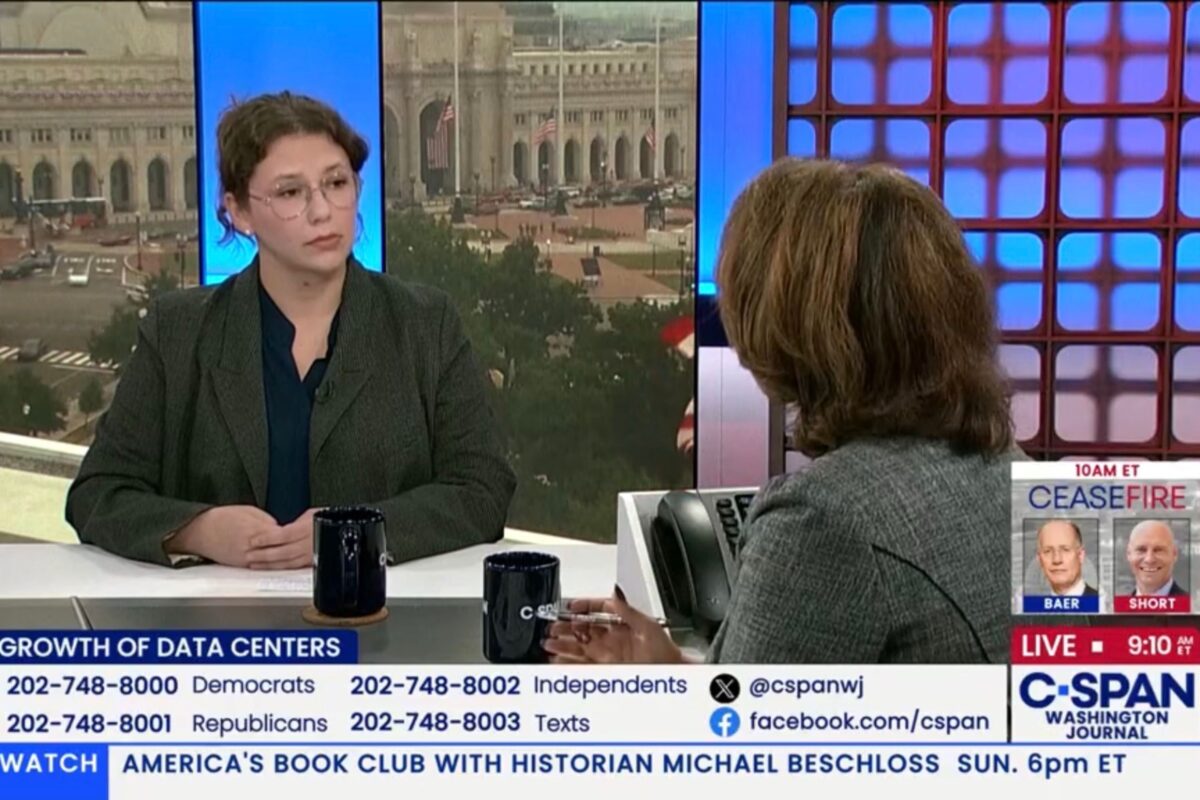
People living all over the US made their concerns with rapid data center development clear on the July 17 edition of weekly Saturday morning show “Washington Journal,” citing noise levels, pollution and other issues.
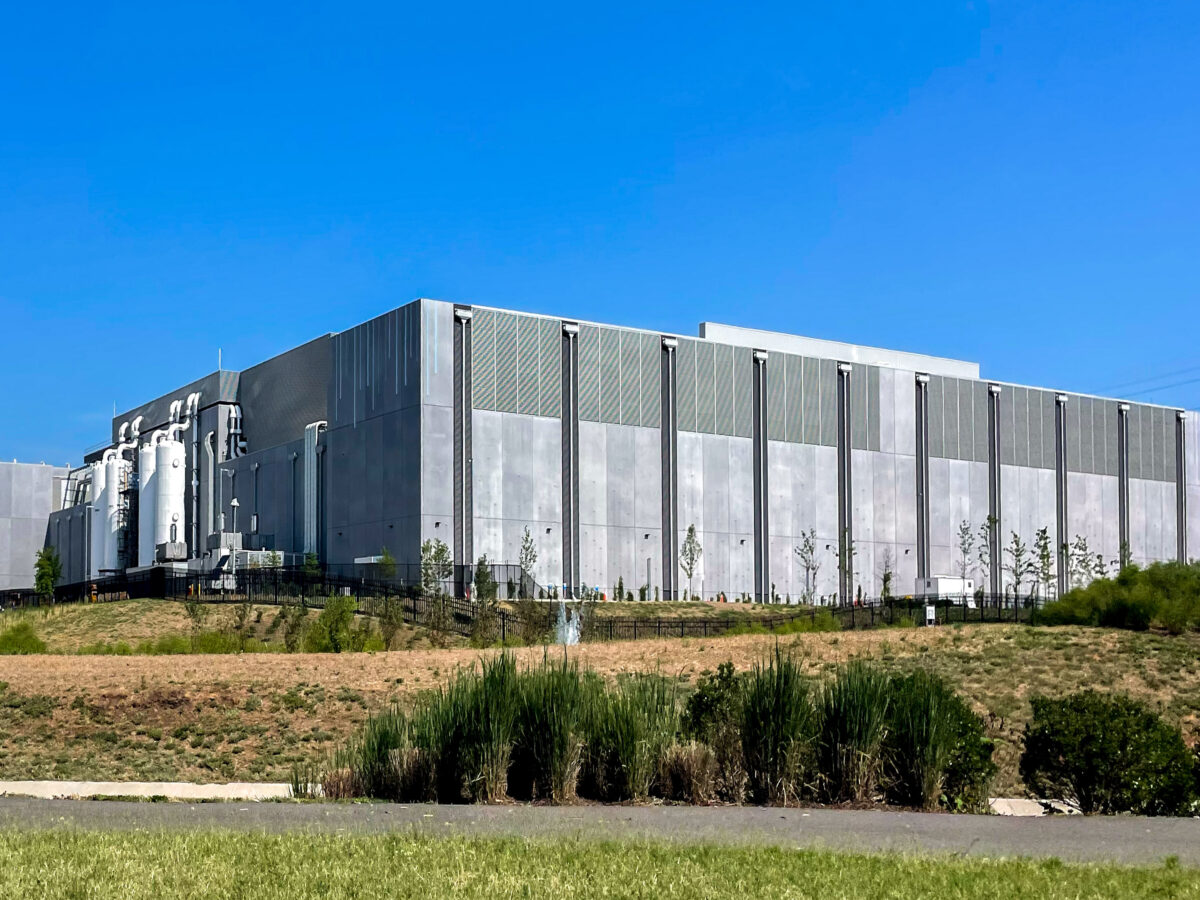
There are about 3,000 existing data centers in the US, with about 1,500 in active development, per Pew Research Center. C-SPAN host Mimi Gerges I discussed the nuance behind rising electric bills — it’s not as simple as it can seem — and why Northern Virginia became the data center capital of the world.
An Ashburn, Virginia, resident called in to say he believes the buildout is happening too fast, with not enough checks on development.
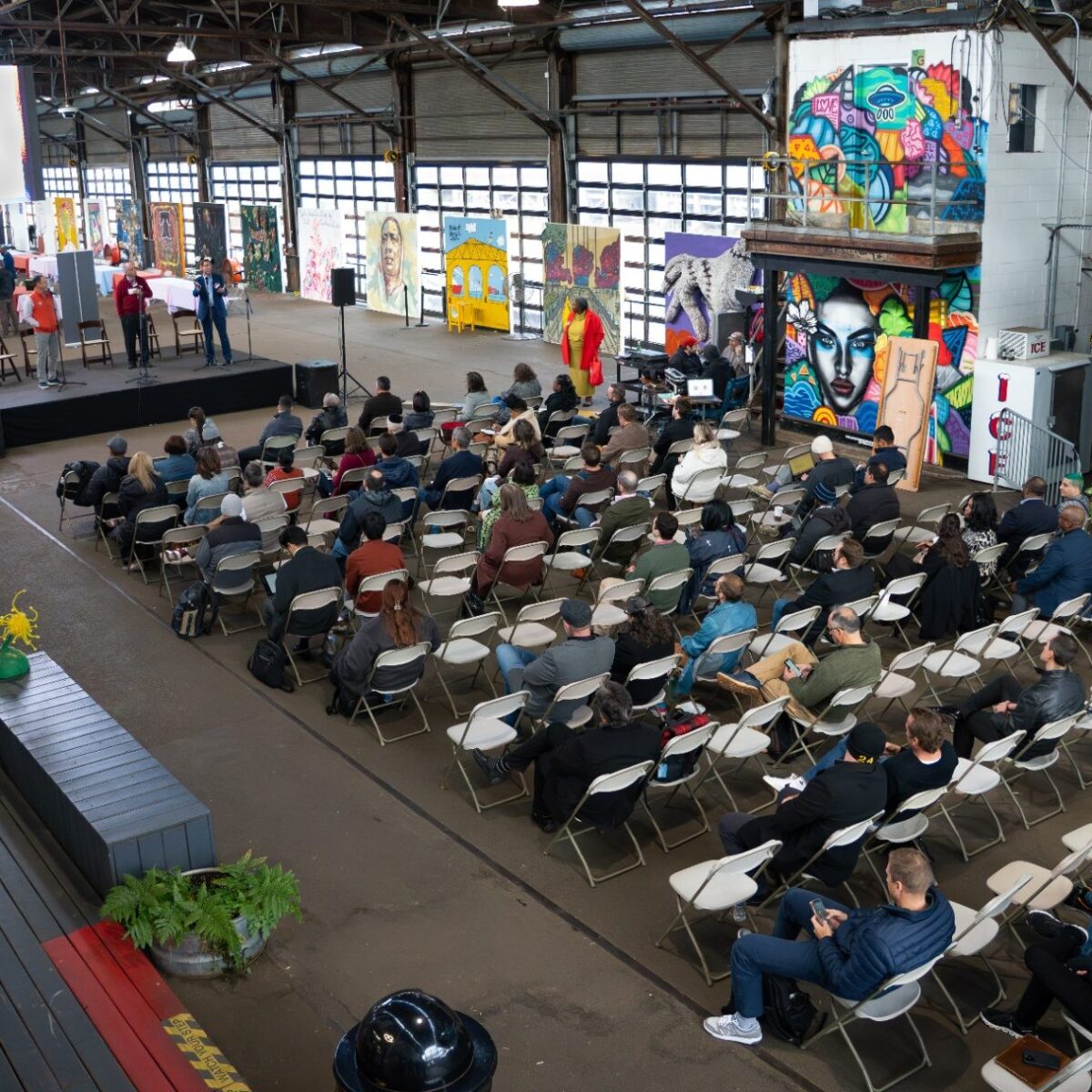
“It is like a sci-fi dystopia movie,” Bill told us. “There have been meetings with the communities, and not one person is in support of the expansion. But yet they continue to incentivize and and approve these data center expansions.”
Why are jurisdictions approving and incentivizing the projects, then? Elected officials and other leaders tout potential economic impact. For example, almost the entire operating budget of Loudoun County, in the corridor known as “Data Center Alley,” has for years been paid for by data center property tax. More recently, certified teachers in a Louisiana parish are getting up to $50,000 in annual bonuses in a Louisiana parish thanks to sales tax revenue from an influx of construction workers working on Meta’s new data center development.
But when those construction workers leave, residents are concerned about what will happen to their local economies then.
“There are only a fraction of permanent jobs that are actually ongoing in data centers,” I said. “In this case in Louisiana, when everybody’s gone when the data center is built … that revenue isn’t going to come in anymore.”
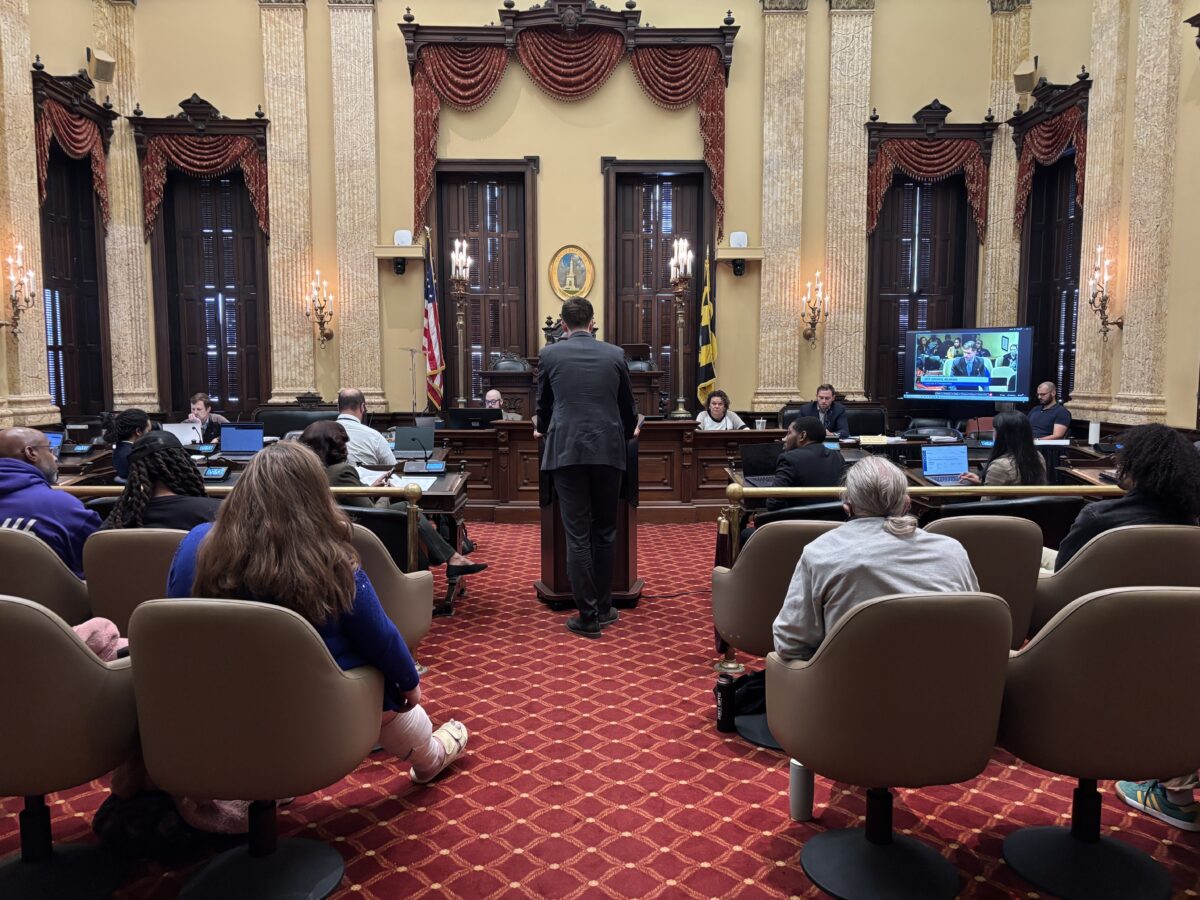
It didn’t seem to matter if people were calling from areas more rural or urban, or whether they identified as a Republican or Democrat. Many cited the need for more information about environmental impacts, home prices and water supplies.
“There have been very little comprehensive studies of any of this, especially at the local level,” I confirmed to Gerges on the show. “it’s important to hone in locally.”