
Pennsylvania’s new data center rules could reshape which sites developers choose, putting a premium on places with existing power infrastructure and access to lower-carbon energy.
An executive order on Tuesday signed by Gov. Josh Shapiro does not impose a moratorium, as many advocates called for, but it changes the economics and timeline for data center projects by tying developments to stricter environmental and energy standards, removing projects from the state’s expedited permitting program and making tax incentives conditional on meeting new requirements.
PA’s Department of Environmental Protection will play a significantly larger role in proposed data center developments moving forward.
For developers, that could make some sites more attractive than others, particularly properties that already have access to power infrastructure or can make use of existing industrial sites.
“We have a once-in-a-generation opportunity to remediate deeply troubled brownfields, including a massive fleet of former coal-fired power plants, return those properties to the tax rolls, and do it without decades of taxpayer subsidies, but time is of the essence,” according to Brian Kennedy, senior vice president for operations and government affairs at the Pittsburgh Technology Council, an organization that has advocated for the data center industry in Pennsylvania.
In Homer City, for example, GE Vernova is transforming a power plant from coal-fired to natural gas to serve a planned data center, taking advantage of Pennsylvania’s abundant resources. In Londonderry, Microsoft chose a different path, striking a deal with Constellation Energy to reopen Three Mile Island as a cleaner source of power for its data center operations.
Neither of those developers responded to Technical.ly’s request for comment on how the new rules will impact their plans, but a deeper look at the new requirements gives an outline of what could come next.
New agency in charge: Department of Environmental Protection
PA’s Department of Environmental Protection (DEP) will play a significantly larger role in proposed data center developments moving forward.
The DEP’s job is to ensure projects align with the state’s environmental regulations. Before the executive order, the department handled data center projects the same way it would any other large industrial or commercial project. Developers were required to obtain whatever permits their projects triggered, such as air quality or stormwater approvals, but compliance with the full slate of environmental and community GRID Standards was a voluntary option to receive additional commonwealth support.
Now, data center developers must agree to a project-specific Consent Order and Agreement developed by DEP that incorporates GRID Standards before permit applications will be considered.
Developers will also be required to submit multiple reports to the DEP, including an annual report on energy and water consumption and a separate report detailing the steps they’ve taken to protect the public and the environment.
The DEP will also make recommendations to the Secretary of Policy and Planning for more environmental protections, including updated regulations for backup generators.
In his speech before signing the executive order, Shapiro said these data center developments must get “an increasingly significant portion” of their energy from clean sources, such as solar, nuclear and battery storage.

Explained: This is how data centers can lead to higher electric bills
From surging utility demand to costly grid upgrades, several factors tie tech’s growing footprint to the steady rise in energy use across the US.
Another line item to pay for: Developers absorb grid costs
To meet GRID certification, data center projects will now have to prove they can meet their own energy needs without imposing costs on Pennsylvanians.
This “pay-your-own-way” philosophy has been gaining traction across the country.
Southeastern PA energy supplier PECO already requires some local data centers to do so, ensuring these projects pay their “fair share” for the infrastructure upgrades required to serve them.
The Governor’s Special Counsel for Energy Affordability will now work with the Public Utility Commission to advocate for additional guidelines that require utility providers not to prioritize data centers during emergencies — like during a recent summer heatwave, for example, when data centers were knocked off the grid to prioritize residents.
For developers, the requirements add new financial factors to consider when selecting a project site, such as what updates to the grid they’ll need to pay for to make it work.
Longer timelines: Fast Track permits revoked
The executive order removes all data center projects from the Permit Fast Track Program, and no new data center project will be eligible for the program moving forward.
The program was designed to speed up permitting by enlisting the state’s Office of Transformation and Opportunity (OTO) to coordinate meetings and guide applicants through the process. The Shapiro administration previously touted the program, as it sped up new developments by months and benefited projects like Amazon’s planned data center in Bucks County.


Several of the sites, like NorthPoint Development’s Project Hazelnut — one of nine data center projects that were part of the program — had already cleared several major permits before being removed.
Now, developers will have to navigate the permitting process without OTO, forcing projects back through the standard permitting timeline and potentially adding months to approvals. That change could matter when developers are comparing Pennsylvania with other states, or when deciding whether a particular Pennsylvania project can still work under a longer approval timeline.
Fewer exemptions: Tax deductions get new rules
Tax exemptions for data centers are also getting an update.
Pennsylvania’s Department of Revenue updated the Computer Data Center Equipment Exemption Program Guidelines to ensure that applicants are only eligible for tax exemptions if they meet GRID standards.
Tax incentives have been a major selling point for developers deciding where to plant roots. Pennsylvania offers data center operators a chance to skirt the 6% sales tax on computer data center equipment purchased for these projects.
Amazon was one of the notable data center developers approved for tax breaks in Pennsylvania. At the time, a spokesperson for Shapiro said the move would benefit the commonwealth because it would “generate hundreds of millions of dollars in new tax revenue for state and local governments.”
Amazon did not return Technical.ly’s request to comment on how the new executive order would impact its proposed projects in Pennsylvania.
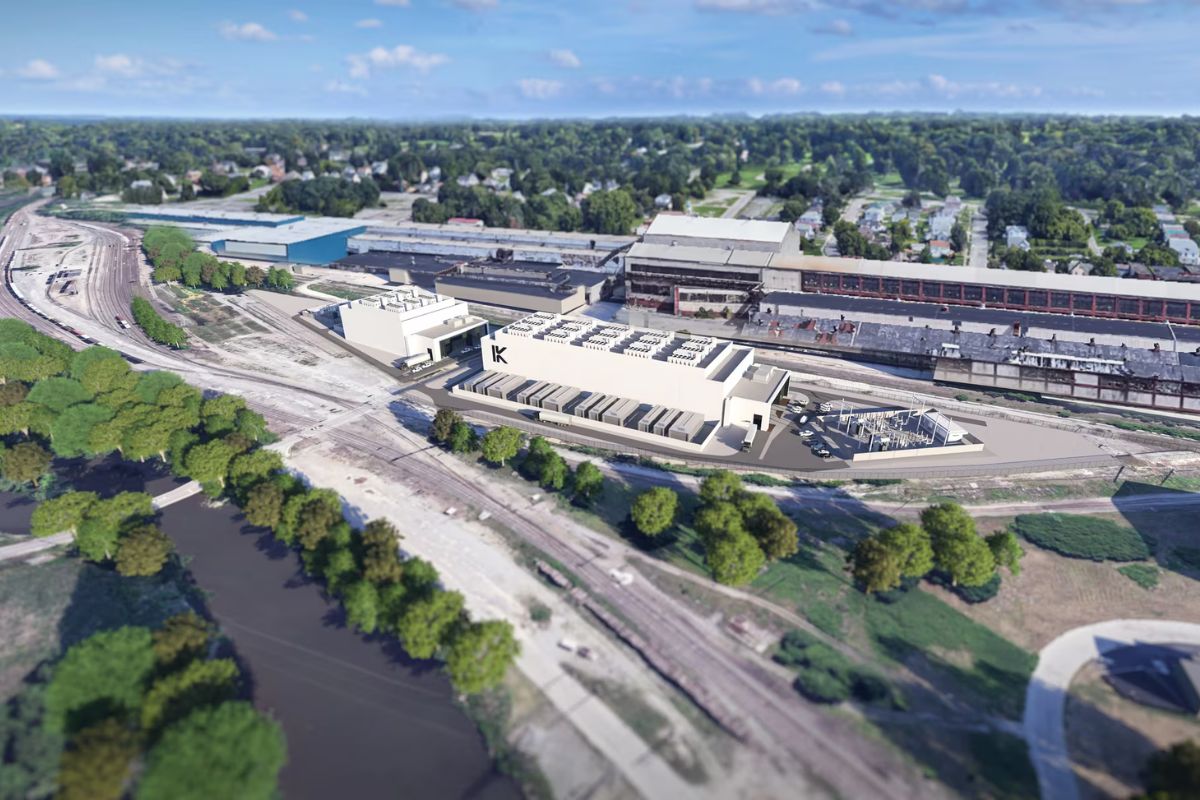
The changes don’t necessarily mean all developers will walk away. Some developers say they welcome the new guidelines, like Keel Infrastructure, one of the Sharon, Pennsylvania, project sponsors that was removed from the Permit Fast Track Program.
“Keel Infrastructure welcomes Governor Josh Shapiro’s executive order regarding the GRID requirements for responsible data center development in Pennsylvania,” Amanda Ignatius, a spokesperson for Keel Infrastructure, told Technical.ly in a prepared statement.
“Like others across the industry, we’re reviewing what today’s order means for our projects,” Ignatius added, “and we’re confident in our path to meeting its requirements.”