For years, Pennsylvania communities have had to evaluate proposed data centers with limited information about how much electricity, water and other resources the facilities could consume.
Now, the state is set to start collecting those numbers from operating data centers next year — giving regulators and communities a clearer picture of what these facilities actually use, rather than relying primarily on projections.
Transparency has long been a point of contention between community members and data center developers.
Under Gov. Josh Shapiro’s new executive order, data centers will have to report their annual energy and water consumption to the Department of Environmental Protection (DEP), along with projected consumption for the following year and steps they have taken to protect the public and environment.
The state will also create a public map of proposed projects and give local governments new tools for evaluating them.
Transparency has long been a point of contention between community members and data center developers. Residents have increasingly asked for more information about what these projects will mean for their communities, particularly when it comes to electricity, water and environmental impacts.
While requirements for increased transparency are a good move, Brian Kennedy, senior vice president for operations and government affairs at the Pittsburgh Technology Council, believes these new rules could jeopardize the progress Pennsylvania has made in creating private sector jobs.
With data centers comes the push to update the nation’s energy grid, which has led to more manufacturing jobs in the region, according to Kennedy.
“There are at least eight major factories under construction in western PA that will eventually produce components needed to support the modernization of the nation’s electric grid. These projects are creating thousands of permanent manufacturing jobs,” Kennedy told Technical.ly, adding, “Data centers may not create a lot of jobs everywhere, but they sure do here.”
Heated debates take over PA communities
Today, there are reports of more than 100 data center proposals under discussion in Pennsylvania, and these projects are “being aggressive with township officials, bullying our neighbors and refusing to listen to the people of Pennsylvania,” according to Shapiro.
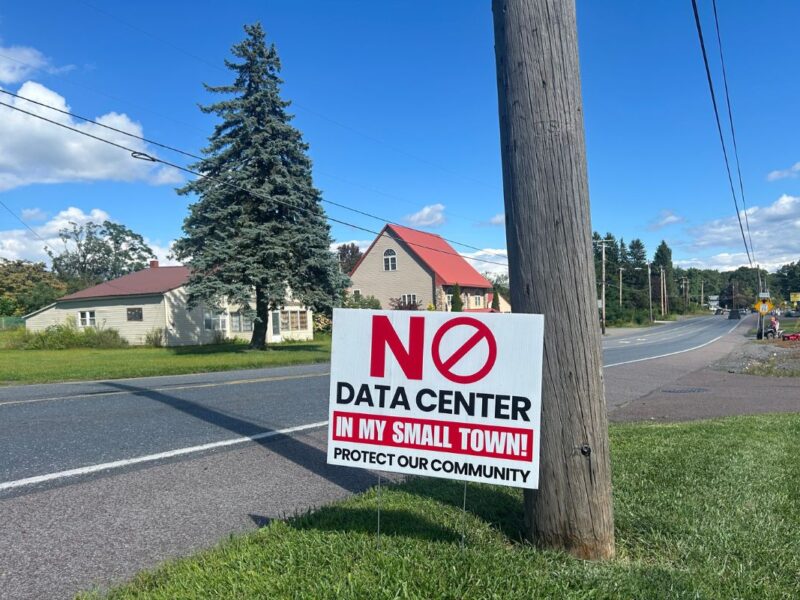
PA residents at heated town halls and community meetings have asked for clearer communication and transparency from developers.
In Northeastern Pennsylvania, communities have pushed back on data center projects largely because of the lack of transparency around environmental effects. This led residents of Archbald, for example, to form a large grassroots movement to fight against the six proposed data centers in the town.
Some local governments have gone as far as imposing moratoriums, allowing locals more time to gather information before proceeding with development.
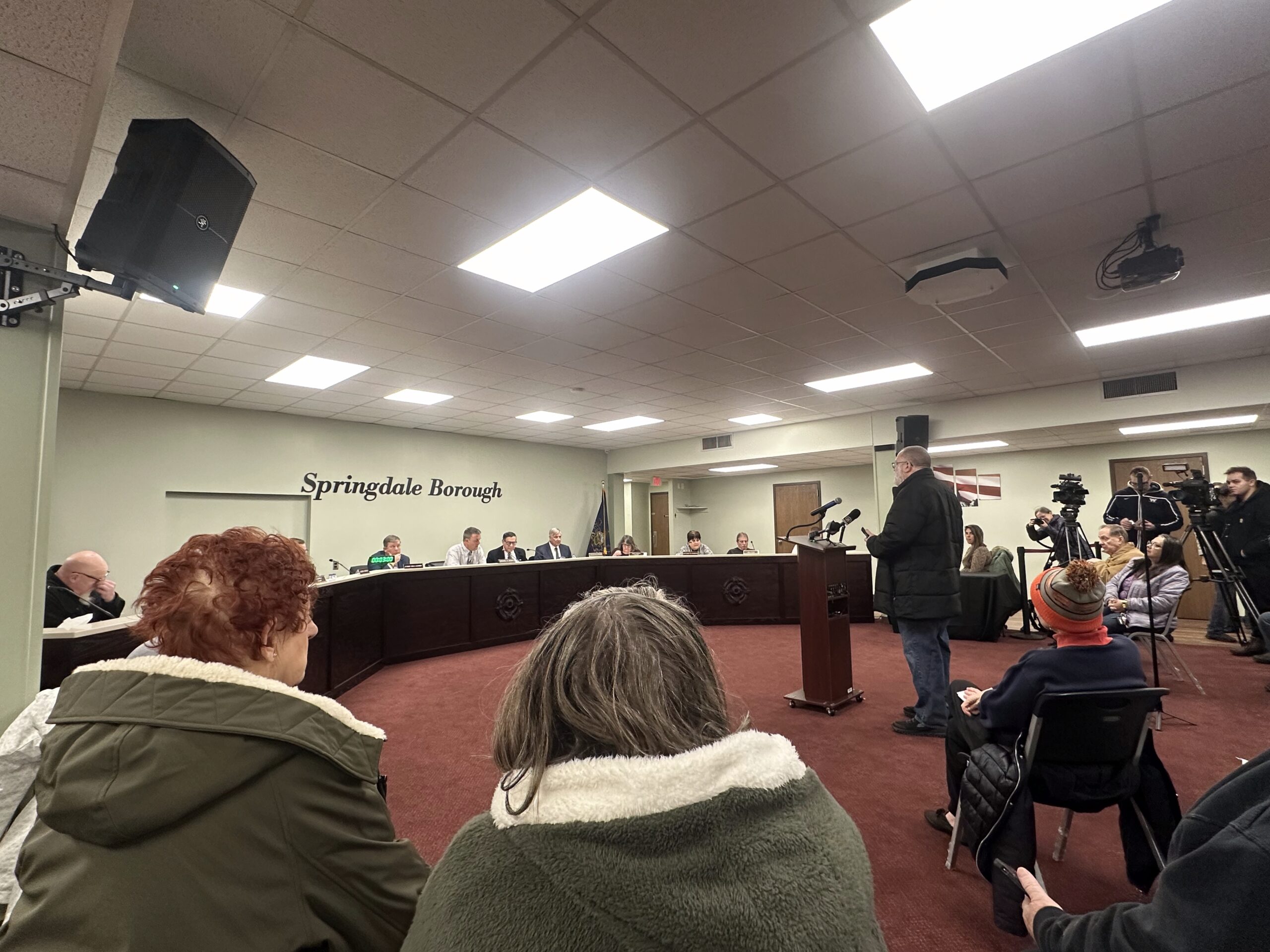
Supervisors in Hazle Township voted in June to halt all consideration of data center proposals for 180 days. Similarly, residents near a Springdale development led by Allegheny DC Property Co have called for similar measures, following disputes at public events.
The new reporting requirement could give those communities something they have been asking for: actual information about what data centers are using, rather than projections about what they might use.
A quick guide to Pennsylvania’s data center debate
City Cast and Technical.ly break down the development surge, from energy and water demands to the potential for jobs and tax revenue.
Finally, some actual numbers
The requirements come as Pennsylvania continues to grapple with questions about how data centers could affect electricity and water resources.
Operating data centers will be required to submit an annual energy and water consumption report to the DEP. This condition was included in the 2026 to 2027 state budget, while other data center regulation initiatives were not.
In that report, data centers will need to show any steps they’ve taken to protect the environment and the public from polluted water or air. It will also require data centers to disclose how much energy and water they use in a year, and what they estimate will be used the following year.
Data centers have been linked to increases in electric bills and were responsible for $29.4 billion in capacity charges to ratepayers, according to information the governor cited from PJM Independent Market Monitor.
Late last year, the Pennsylvania Public Utility Commission (PUC) called for public input on how large electricity users, like data centers, could be impacting electric bills in Pennsylvania. As more ratepayers have expressed concerns over rising electricity bills, the commission has stepped in to attempt to add clarity — drafting a plan called a “model tariff” to make large-load customers pay while placing safeguards so regular households’ bills don’t increase.
The annual reports could eventually provide another source of information as regulators and communities try to understand those impacts, particularly as more data centers come online.
A new toolkit for communities
The new executive order addresses the issue of transparency head-on, giving communities a new set of resources to better engage with developers.
Instead of information scattered across the internet, DEP will now be required to create a public map with permitting information about proposed projects. Meanwhile, the Department of Community and Economic Development will create guides for local governments to use regarding zoning standards and community benefit agreements.
Plus, Shapiro’s office has created a new toolkit to help local governments understand and evaluate what happens when a developer proposes a large data center project.


The toolkit breaks down the potential benefits of these projects, like jobs or tax revenue, while also helping explain what resources these projects often demand, like electricity, water, land or emergency services.
It further outlines planning, zoning, permitting, fiscal and community considerations so municipalities can better determine whether a proposed data center fits their community and what issues they should address before moving forward.
Taken together, the new tools are intended to make it easier for municipalities to see both sides of a proposed project: what a data center could bring to a community, and what resources it could require.
A shift from speed to scrutiny
The executive order represents a significant shift in Pennsylvania’s data center strategy as the commonwealth’s data-center pipeline continues to expand, making the need for concrete information more consequential.
Two years ago, the goal was to push these developments ahead as quickly as possible. Shapiro initially launched the Permit Fast Track Program in 2024 to streamline the process for key economic development and infrastructure projects — making Pennsylvania one of the most attractive states for data center projects.

Then, last summer, Amazon announced it would spend at least $20 billion on cloud computing and AI investments in Pennsylvania, including multiple data centers. At the time, it was the largest private sector investment in the history of the commonwealth and was welcomed by Shapiro.
New permit restrictions won’t necessarily slow down developers, though. In Archbald, the Project Gravity data center applied for the required permits to start construction. They did not receive the permits, but that didn’t stop the developer from cutting down trees.
More than 70% of Pennsylvania voters oppose AI data center construction in their communities, according to a July 2026 poll from Quinnipiac University, and 34% of voters disapprove of the governor’s handling of AI data centers in the state.
“Since then, we’ve seen an unacceptable number of speculative proposals for data centers swamp our commonwealth,” Shapiro said before signing the executive order, “many of them led by developers who have no regard for local communities.”