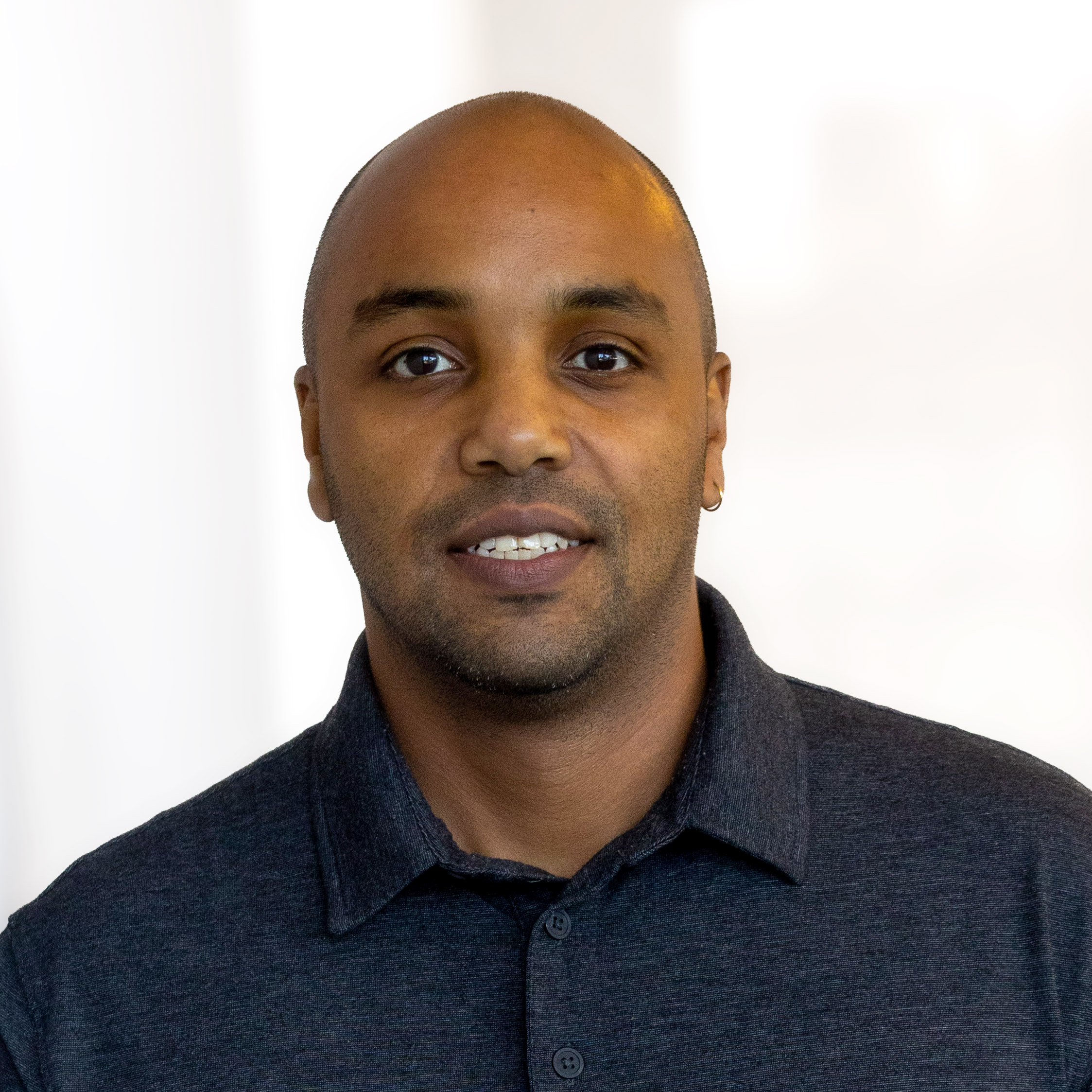


The National Science Foundation funded Louisiana Tech professor Abdur Rahman with a two-year, $185,000 award to continue his research into AI that helps detect problems in critical infrastructure before failures or cyberattacks escalate.
“Rahman’s research addresses challenges that directly affect the safety, reliability and resilience of critical infrastructure,” College of Engineering and Science dean Collin Wick said in a press release.
“We’re using cutting-edge science in ways that are inherently impactful to everyday Louisianans’ and Americans’.”
Arden Moore, Louisiana Tech
As infrastructure systems continue to modernize and utilize AI in control systems, a common culprit appears when something goes wrong: distribution shift. It’s a circumstance in AI in which a model that was trained for a certain set of conditions struggles as those conditions change over time.
“AI models often perform very well in controlled environments, but real-world systems constantly change,” Rahman said in the press release. “Equipment ages, operating conditions shift and environmental factors vary. Our goal is to develop AI systems that can adapt to those changes while remaining reliable and transparent for the people who depend on them.”
The project, titled ERI: Flexible, Adaptive, and Explainable Anomaly Detection Under Distribution Shift in Multivariate Time Series, aims to develop AI models that adapt as real-world conditions evolve in complex, sensor-based systems.
The adaptable model also aims to explain in detail the rationale behind its decision-making.
“Explainability is essential when AI is being used in systems people rely on every day,” Rahman said. “Operators need to understand not only that an alert was triggered but also why it was triggered, so they can make informed decisions quickly and confidently.”
The National Science Foundation-funded project will also provide graduate and undergraduate researchers with experience in machine learning, reinforcement learning, explainable AI, industrial analytics and time-series analysis, according to the press release.
Detecting risk before failure
Power grids, transportation networks, public waterways and manufacturing facilities are all types of critical infrastructure. If something goes awry, such as dangerous equipment malfunctioning or hackers gaining access, it can put people’s lives and livelihoods at risk.
Early detection of system anomalies — including equipment issues, safety concerns and cybersecurity threats — can stop small problems from becoming costly, time-consuming or putting people’s safety at risk.
“In the long term, I hope this work contributes to AI systems that are more robust, transparent and practical for engineers and operators responsible for critical infrastructure and public safety,” Rahman said.
This project continues the school’s tradition of fundamental science and engineering research, Louisiana Tech associate dean of research Arden Moore told Technical.ly.
“We’re using cutting-edge science in ways that are inherently impactful to everyday Louisianans’ and Americans’ lives,” Moore said.
This latest award is an example of LA Tech’s “rising stars,” like Rahman, who Moore called a “go-getter.”
The research, Moore said, is “bringing some national prominence to Louisiana Tech and Louisiana higher education in general.”