The winner of Howard County’s most recent cyber accelerator program isn’t a Marylander — and that’s partially by design.
Andrew DeFeo launched Cipher near Philadelphia in June 2025. After spending a few months honing his strategy, he sought out a program to take his cybersecurity startup to the next level.
The Philadelphia region didn’t have much to offer in his niche, according to DeFeo. He stumbled upon the Howard County Economic Development Authority’s (HCEDA) cyber accelerator across the border in Maryland and decided the weekly trip would be worth it — especially since the organization already understood the basics.
“I didn’t have to come in and explain too much about what we were doing or why,” DeFeo told Technical.ly. “They brought in a lot of specialized resources that help a cybersecurity company, and that’s really critical, especially when there’s hype around AI and a lot of other areas.”
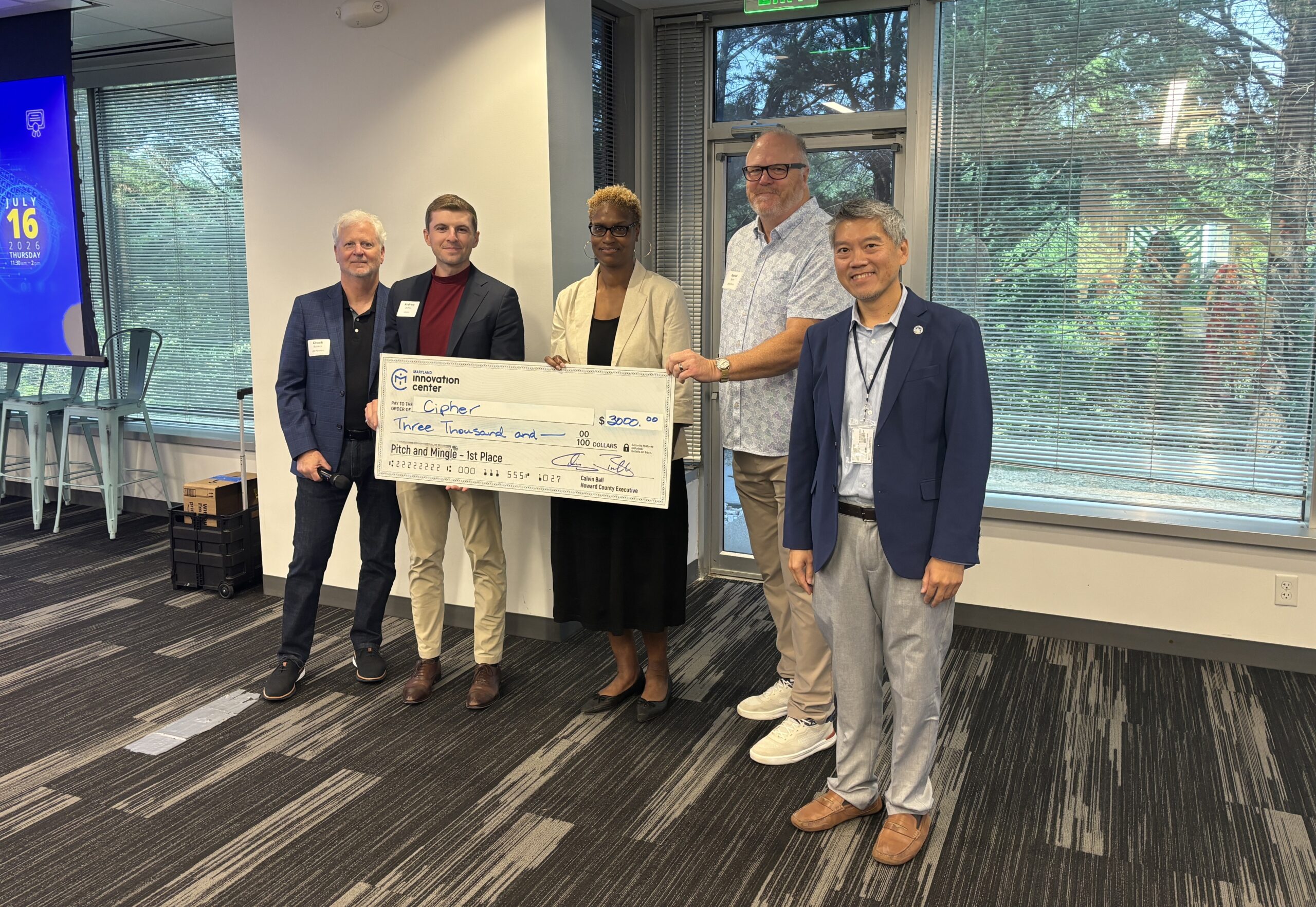
With the demo day’s top prize of $3,000, he plans to continue developing Cipher’s advanced cryptography platform, aiming to complete a minimum viable product by the end of 2026.
Seven companies participated in the 12-week program’s third cohort, which began in April. Since its launch in early 2025, weekly guest speakers have helped founders sharpen their technology and develop the soft skills needed to find the right customers.
Administrators intentionally allow any US-based company to apply, hoping to bring business to Maryland.

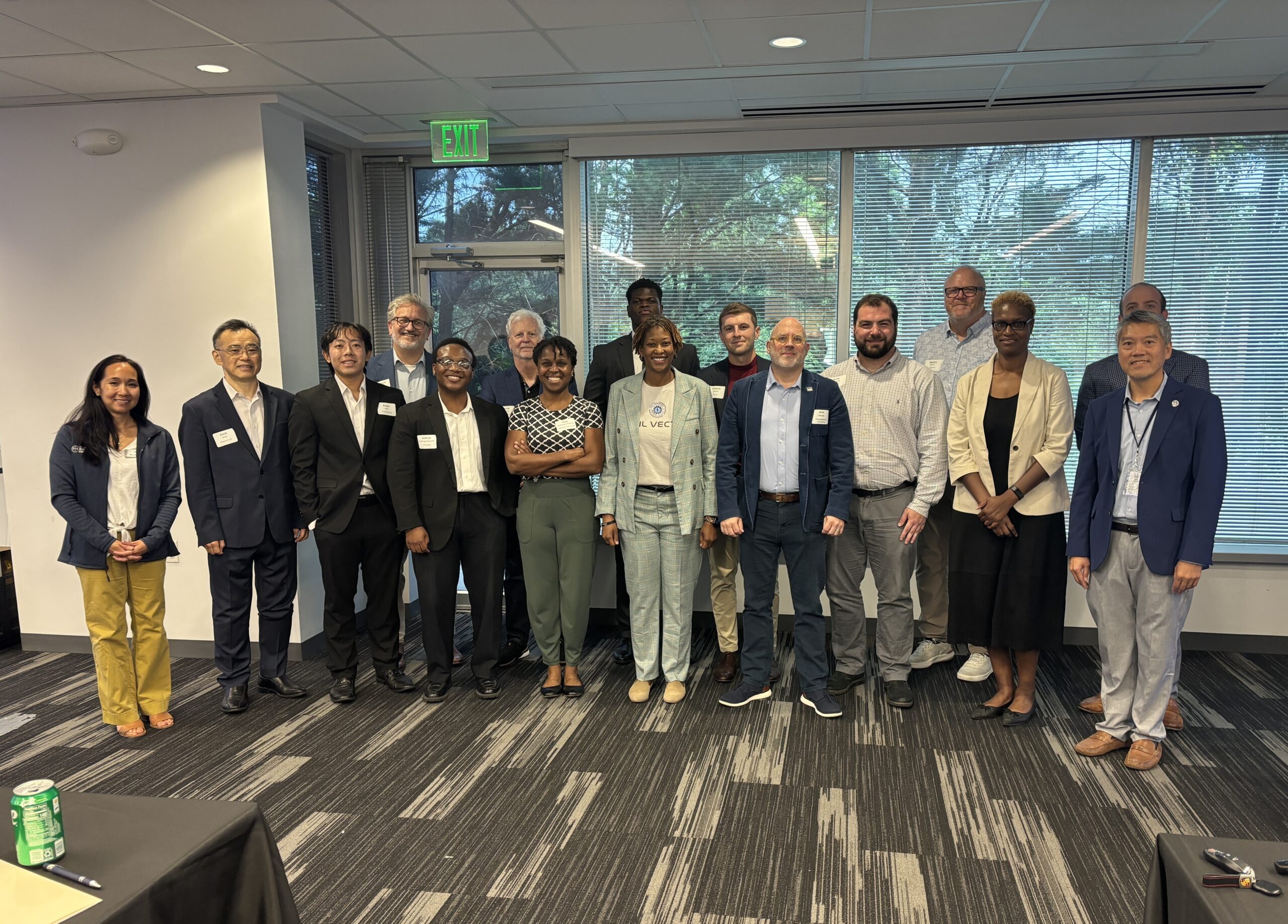
“We wanted to leverage this as an attraction tool as well for the region,” HCEDA business development lead Bob Zhang said.
Howard County’s bet on cyber
The accelerator’s focus on cybersecurity plays into the region’s existing strengths.
It’s no surprise that cyber companies like Cipher see Howard County as a go-to spot. The county neighbors Fort Meade, home to key customers like the National Security Agency and US Cyber Command.
Not to mention what some see as the county’s crown jewel: Tenable. The homegrown cybersecurity firm has been a force for the region, and Zhang from HCEDA hopes lightning can strike twice with the right support.
“We want to retain promising companies here so they can fuel our innovation economy,” Zhang said.
Cyber Howard Accelerator Participants
HCEDA is doubling down on those efforts. The agency plans to launch a six-month cyber growth program in the fall to help Maryland-based cyber companies move beyond the launch phase.
Past cyber accelerator participants can apply, but they’ll need a local connection.
“We’re going to see which companies are making progress,” Zhang said, “then we’ll help by putting them in touch with whatever mentor or subject expertise that they need.”