After an almost seven-month hiatus, the SBIR/STTR program is back in action, but with new regulations, guidelines and waiting periods, navigating the funding process has changed.
“[The proposals] need to be highly, highly detailed, and if you are a scientist or innovator, a lot of the detail on what you’re doing is probably in your brain, and your brain only.”
Josh Freedman, Airalux
The program was paused from Sept. 30, 2025, to April 13, 2026, the first stoppage in the program’s 43-year history. This halt in funding occurred in part due to debates over reforms and guidelines to SBIR/STTR, including addressing the problem of SBIR-mill firms, which are companies that win a large number of awards each cycle but don’t use funding to move their businesses toward commercialization.
Under the new SBIR/STTR guidelines, agencies will set limits on how many Phase I and Phase II funding contracts a single company can receive, with some exceptions for sensitive projects.
Phase II and III funding has also undergone some changes, including a strategic breakthrough award to help founders get through the “valley of death” between R&D and commercial success. Additionally, the funding reinstatement implements a higher level of scrutiny toward projects with foreign actors.
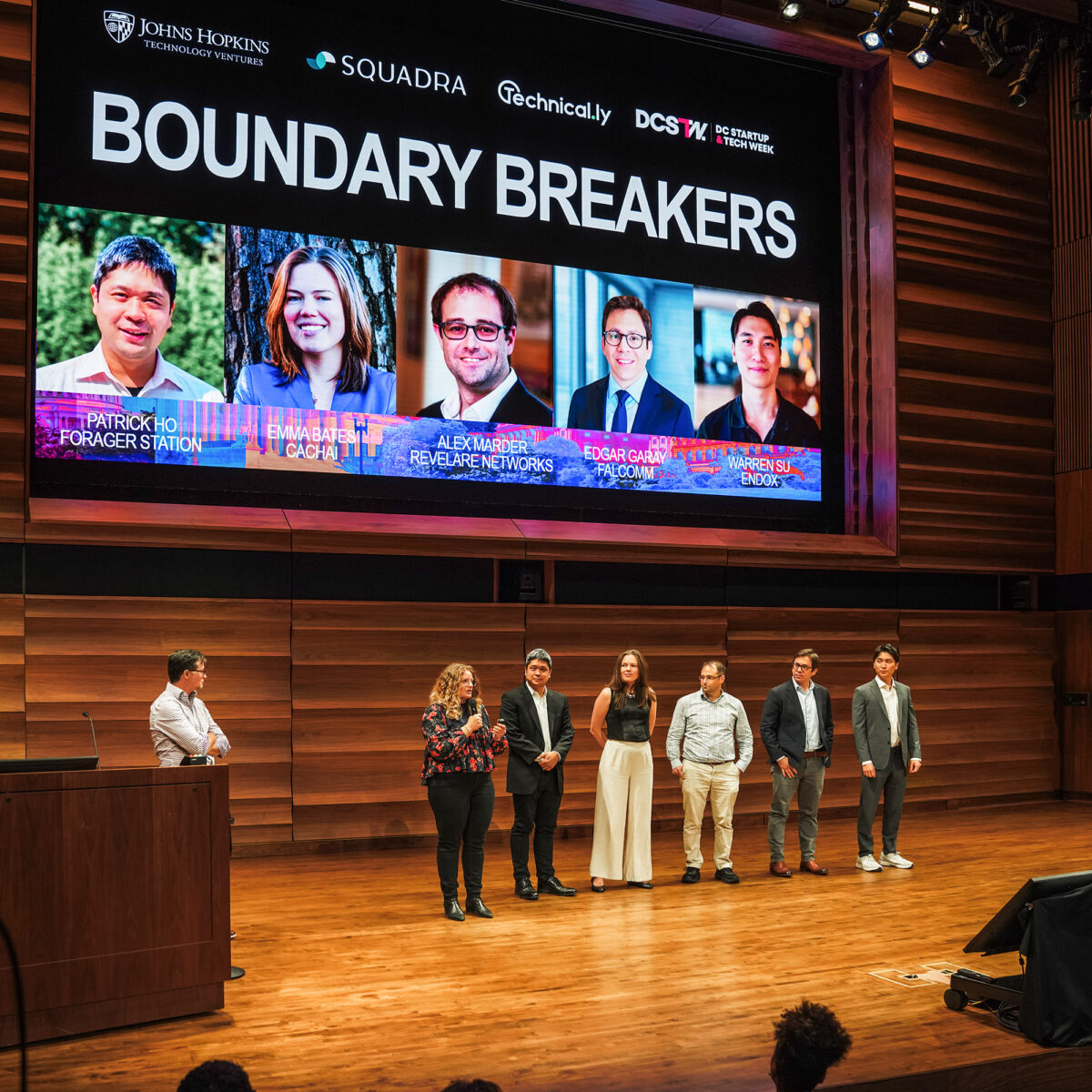
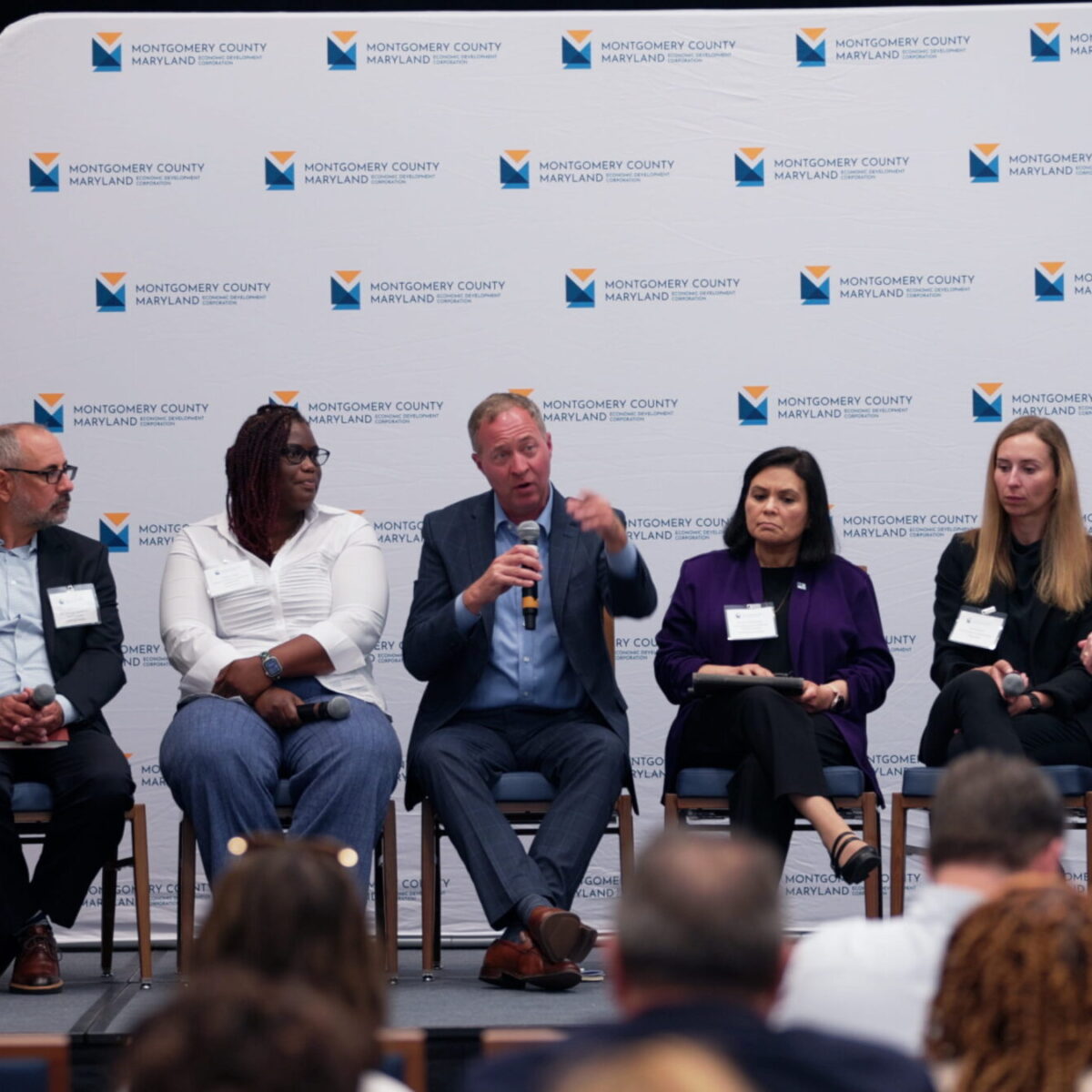
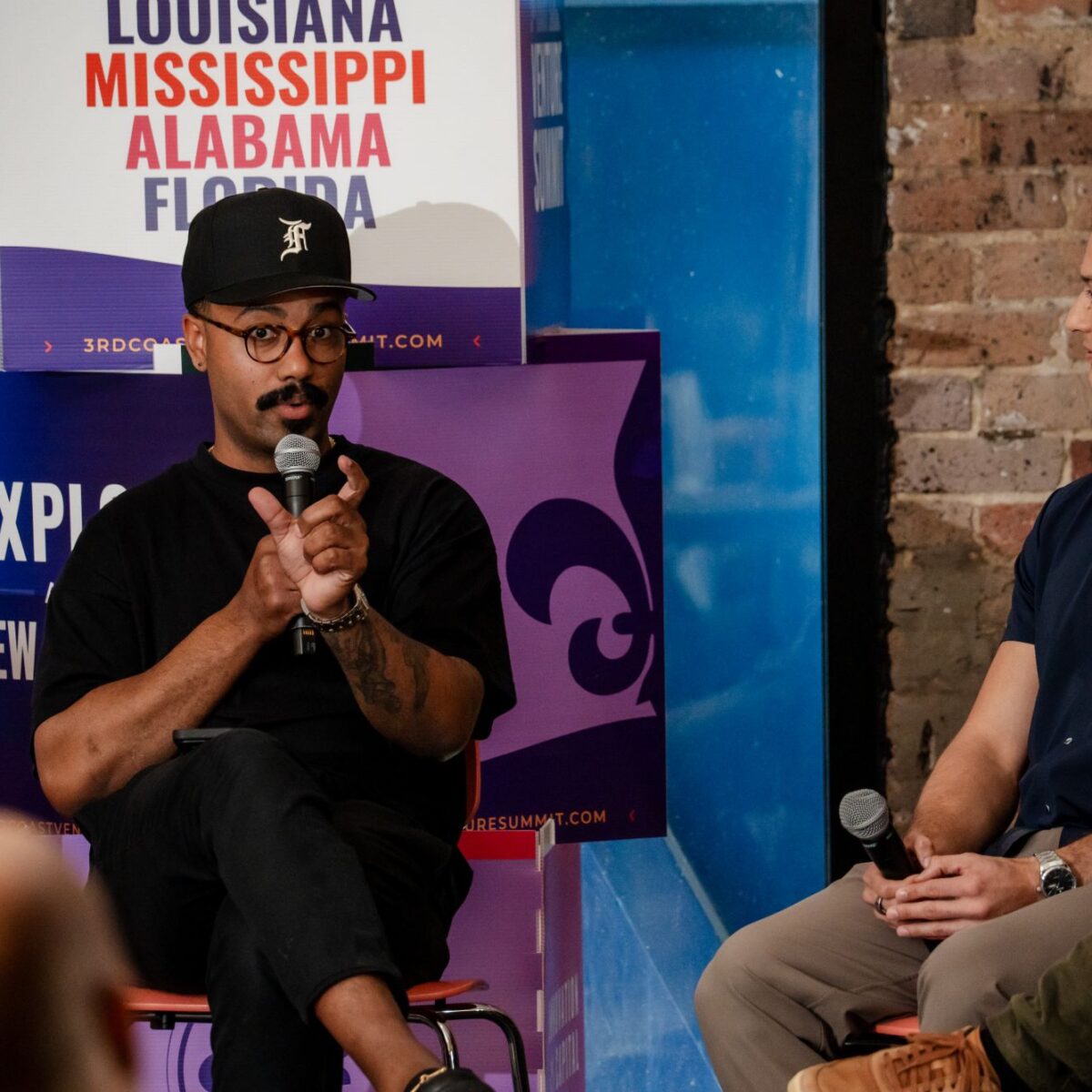
To help navigate the new system, Bio Breakfast hosted a screening of the Life Sciences Pennsylvania panel on the topic featuring Kelly Wylam, executive director of Innovation Partnership, and Josh Freedman, Airalux cofounder and CEO.
Here are five pieces of advice to help founders across the country secure funding.
Be patient during the transition period
Patience is a virtue when it comes to government funding, and the current submission portal is no different. Over 2,000 project pitches were submitted to the National Science Foundation (NSF) within eight days of the portal opening back up, according to Wylam.
“There’s a backlog of reports and reviews and disbursement of funds, changeover in personnel at the different agencies and a lot of issues impacting potential backlog and sort of delays,” Wylam said.
There isn’t an exact timeline or completion date when securing funding, and with the hiatus backlog, getting a contract may take even longer, the panelists added.
Plan before the application opens
The process of acquiring government funding is a long one, and planning ahead makes a big difference.
“Timing is vital,” Wylam said, with an example of the Department of War’s (DOW) process. Topics get pre-released and 60 days later, proposals are expected for submissions. In order to submit a competitive project, planning is a requirement.
“You need to plan for a runway, and I would say from the time you start and talk to us to submission could be five or six months. That’s a good runway,” Wylam said.
Don’t try to land them all
Each SBIR/STTR funding opportunity is different depending on the agency it comes from, even down to the names they use to describe employees doing the same work. The DOW has a technical point of contact, the NSF calls it a program manager and the National Institutes of Health uses the term topic author, according to Wylam.
She advised first-time submitters to pause their ambitions of submitting to multiple agencies at the same time for one project. Prioritizing one submission for one agency can lead to better alignment and, hopefully, a better chance at securing funds.
“There’s a learning curve to this, so you can say, ‘Eventually I would like to submit three proposals to three different agencies,’ but you’re not going to submit three proposals at one time for the same project, either,” Wylam said.
Use your contacts and resources, not AI
While it might be tempting to use AI to summarize what an agency is looking for and pitch requirements, Wylam doesn’t recommend using it. She said that it’s important to understand agency guidelines completely and an AI summary may not cover everything that a consultant would, or that simply reading it oneself would reveal.
“[The proposals] need to be highly, highly detailed, and if you are a scientist or innovator, a lot of the detail on what you’re doing is probably in your brain, and your brain only,” Freedman said.
Consultants can be a big help in the application process, but the mentality is the same with AI — the first draft is up to the founders. Then, Freedman said, consultants can help strategize for next steps.
Navigate the process with other funding sources in mind
Other sources of funding are important to keep in mind with the lengthy process of SBIR/STTR.
Relying on non-government investment is critical to keep a project afloat while going through the process.
“As much as we would love to rely on these sources of funding, they are uncertain and they have an indefinite timeframe, which makes them very difficult to plan around,” Freedman said.
While the process is lengthy and undergoing a major backlog, SBIR/STTR funding is still highly beneficial. Its non-dilutive nature ensures that more of the business stays in the hands of the founder, and simply participating in the process is a test of endurance for their business.
“[SBIR/STTR funding] shows potential future investors that you’ve got the stamina to get through this and it’s validating,” Freedman said.