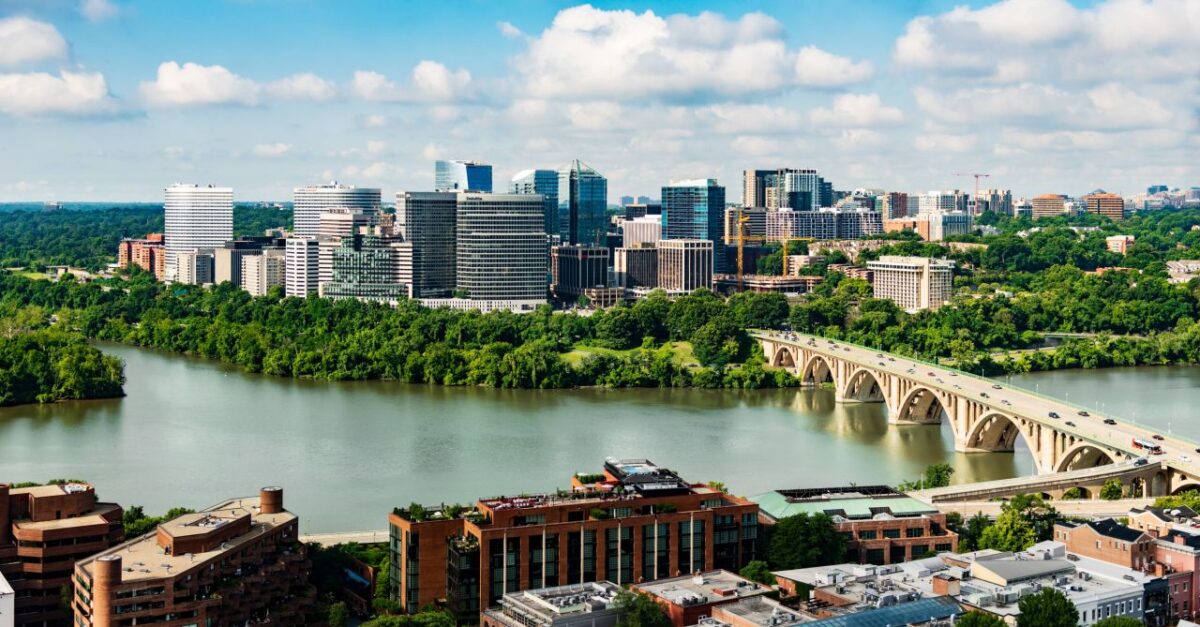
When immigrant founders imagine building companies in the US, tech hubs like Silicon Valley or NYC are likely the first destinations that come to mind.
But in several mid-sized cities and university towns, economic development organizations and colleges are creating dedicated programs built specifically to help immigrant entrepreneurs launch and scale their businesses in US local markets — all while navigating the more restrictive immigration rules of the Trump administration.
Lawyers have reported increased scrutiny for applications, including the O-1 visa for high achievers that many founders use. There’s a new selection system for the H-1B visa and a potential $100,000 fee that’s moving through the courts. But through different support, often called “soft landing” programs, immigrant founders can get help navigating visa applications, engage with potential investors and access lab spaces.
Keep scrolling to meet eight underrated places ready to welcome global entrepreneurs.
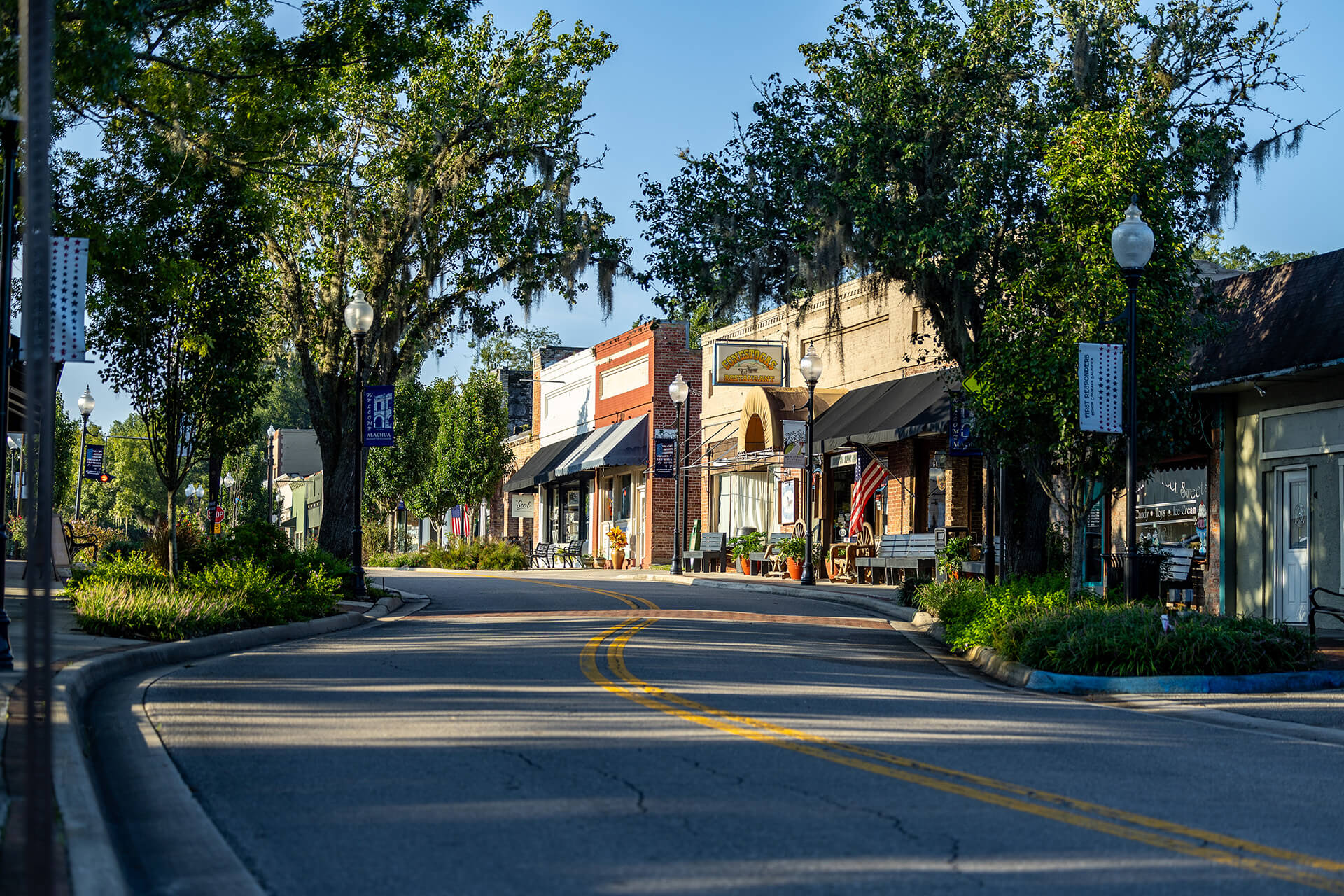
Alachua, FL
Companies that have employees: 4,680
Immigrant business owners: 21.5%
Total population: 287,873
This soft landing program out of the University of Florida targets global startups in biotech and life sciences, including 24/7 access to the university’s labs and scientific equipment.
Advisors also help companies through the US commercialization process, including connections to investors and administrative assistance like legal help and accounting.
Arlington, VA
Companies that have employees: 4,641
Immigrant business owners: 29.1%
Total population: 234,369
In proximity to the regulators and government customers in DC and the Pentagon, the Northern Virginia county hosts soft landing initiatives through its innovation district. That includes a three-day immersion program for companies to identify opportunities and learn about ecosystem priorities.
That immersion program is designed for companies in aerospace, cybersecurity, global security and dual-use and was most recently hosted in April. Participants can expect introductions to government officials and leaders in their industry.
Atlanta, GA
Companies that have employees (Fulton County): 17,616
Immigrant business owners: 23.4%
Total county population: 1.1 million
Georgia Tech’s Enterprise Innovation Institute in Atlanta runs two programs for global entrepreneurs, including a 7-week virtual class for entrepreneurs to learn the basics of expanding to the US. That includes how cultures should be considered in developing business strategies and translating services to the country.
There’s also a 5-day in-person program for founders to develop business plans with Atlanta in mind and get connected to the local ecosystem. These both cost $8,000 per company.
Binghamton, NY
Companies that have employees (Broome County): 2,519
Immigrant business owners: 10.8%
Total county population: 195,934
The Koffman Southern Tier Incubator out of Binghamton’s university offers legal assistance and student talent to assist with early-stage business development.
The program offers one 4-month cohort each year. Each class includes a week-long in-person market exploration bootcamp focusing on customer discovery approaches for the US. Participants also receive a one-year free coworking membership at the space, including access to events and networking opportunities.
Broome County, which houses Binghamton, does not have any reported non-citizens owning companies, per census data.
Detroit, MI
Companies that have employees (Wayne County): 15,128
Immigrant business owners: 29.1%
Total county population: 1.8 million
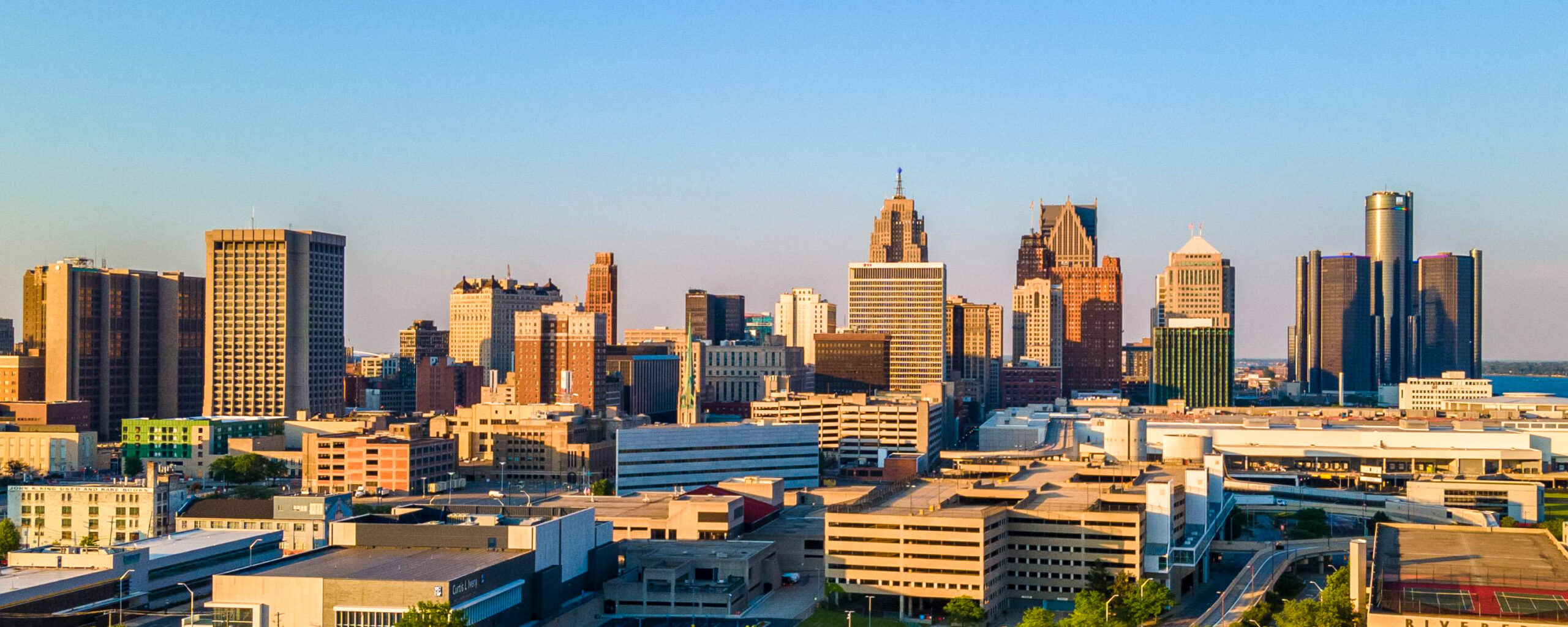
This global entrepreneur in residence program out of the organization Global Detroit helps founders obtain a cap-exempt H-1B visa through part-time unpaid work, freeing them to spend the rest of their time scaling their own startups and avoiding a crowded lottery system. There are similar programs across the country, originally launching at the University of Massachusetts Boston in 2014.
Founders also get access to resources out of universities across Michigan and a network of fellow immigrant entrepreneurs through the program’s network. Industries range between healthtech, robots and SaaS.
Prince William, VA
Companies that have employees: 4,763
Immigrant business owners: 50.9%
Total population: 491,396
Global life sciences founders get access to labs and a government network thanks to the proximity to the nation’s capital through an accelerator hosted by George Mason University and the accelerator Naugen. It’s part of the region’s innovation district, which aims to boost startup success and economic development.
The program offers qualifying international companies up to six months of subsidized lab or office space, alongside localized guidance on US legal processes, accounting and business registration.
San Diego, CA
Companies that have employees: 53,885
Immigrant business owners: 34.2%
Total population: 3.3 million
There are plenty of founder opportunities outside of Silicon Valley. San Diego State University hosts a week-long immersion program for international companies ready to establish a presence in the US and Southern California. Defense tech, life sciences and innovations related to ocean preservation are preferred.
Over the seven days founders will get assistance in navigating immigration pathways, legal requirements for operating in the US and go-to-market planning. Tuition is $5,000 per company, which does not include travel and lodging.
Wellesley, MA
Companies that have employees (Norfolk County): 10,308
Immigrant business owners: 24.5%
Total county population: 730,453
Babson College operates a global entrepreneur in residence program designed specifically to help international founders bypass the traditional H-1B lottery. It’s open to recent graduates of all Massachusetts universities who have companies “well underway.”
Participants get access to a coworking space on campus and business development resources.
Data cited above is via the US Census Bureau’s most recent Annual Business Survey, from 2023.