• Trust among local leaders is the biggest differentiator in economic development, argues consultant Amy Holloway’s new book, “Trust Builders.”
• The problem is that the seats holding that trust turn over every 2 to 4 years, while the projects take 30.
• Amid declining national trust overall, federal data shows Americans are attending fewer public meetings. Louisiana ranks last.
Over eight years, one county in south-central Kansas cycled through six city managers, four hospital CEOs, three school superintendents, two county managers and two community college presidents.
That’s 17 turnovers among the smattering of seats that must cooperate in order for anything in Reno County to get built. As the local chamber of commerce chief since 2017, Debra Teufel said that influences what organizations collaborate with others.
“People who have been in a community for a while might be leery of planting,” Teufel said of growing tiny seedling-ideas, “because they worry that the person might not be there long enough to carry out their ideas.”
Good leaders develop trust with collaborators; great leaders ensure that trust outlasts them.
Every ecosystem knows both halves of this problem. There’s the leader who overstayed their usefulness and became what others routes around. And the opposite: the professional who arrives, commissions the assessment, stands up the committee, publishes the report and is gone before anyone has to execute it. One calcifies. The other churns. Neither builds anything, and most regions have lived through both in the same decade.
So what’s the interval that actually works?
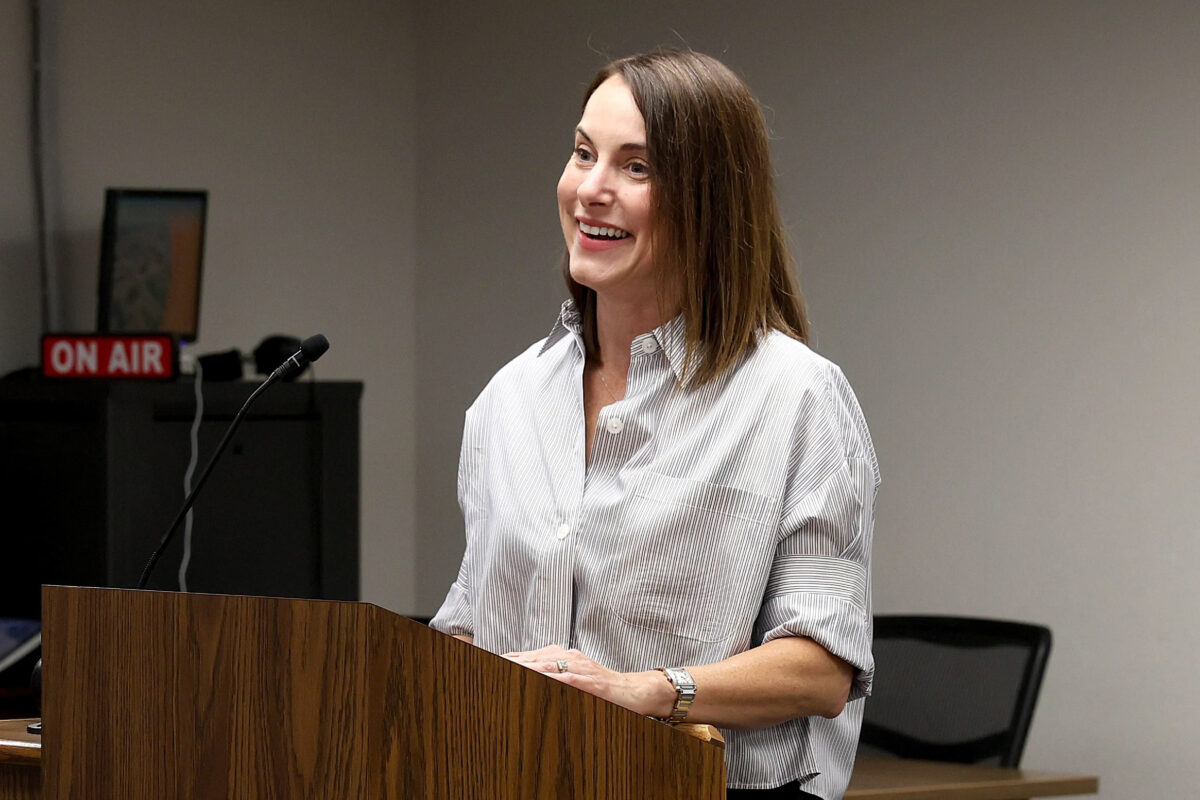
Harvard resident and consultant Amy Holloway has spent decades asking a version of that question. The strategist has worked with more than 200 US communities and their economic development leaders. Her new book “Trust Builders” collects interviews with 31 of them — some of whom were her clients, like Reno County — ranging from Conway, AR, to downtown Chicago.
Her consultative read: Trust among local leaders is the single biggest differentiator between economies that thrive and the rest. Holloway’s more useful finding is about durability: Good leaders develop trust with collaborators; great leaders ensure that trust outlasts them.
Six months into her job running the Greater Oklahoma City Chamber, Christy Gillenwater was handed a negotiation seven years in the making: Oklahoma City’s bid to host events inside the 2028 Los Angeles Olympics. Her mayor David Holt spent those years cultivating two LA mayors, and when the talks moved into public view he needed someone outside city government to carry them.
“He didn’t know me that well at the time,” Gillenwater said. “But he trusted our entity. He trusted the leaders who selected me.”
She inherited four decades of accumulated credibility that outweighed her half-year of personal experience. That is what an institution is for.
‘You can fake sincerity, but you can’t fake being there’
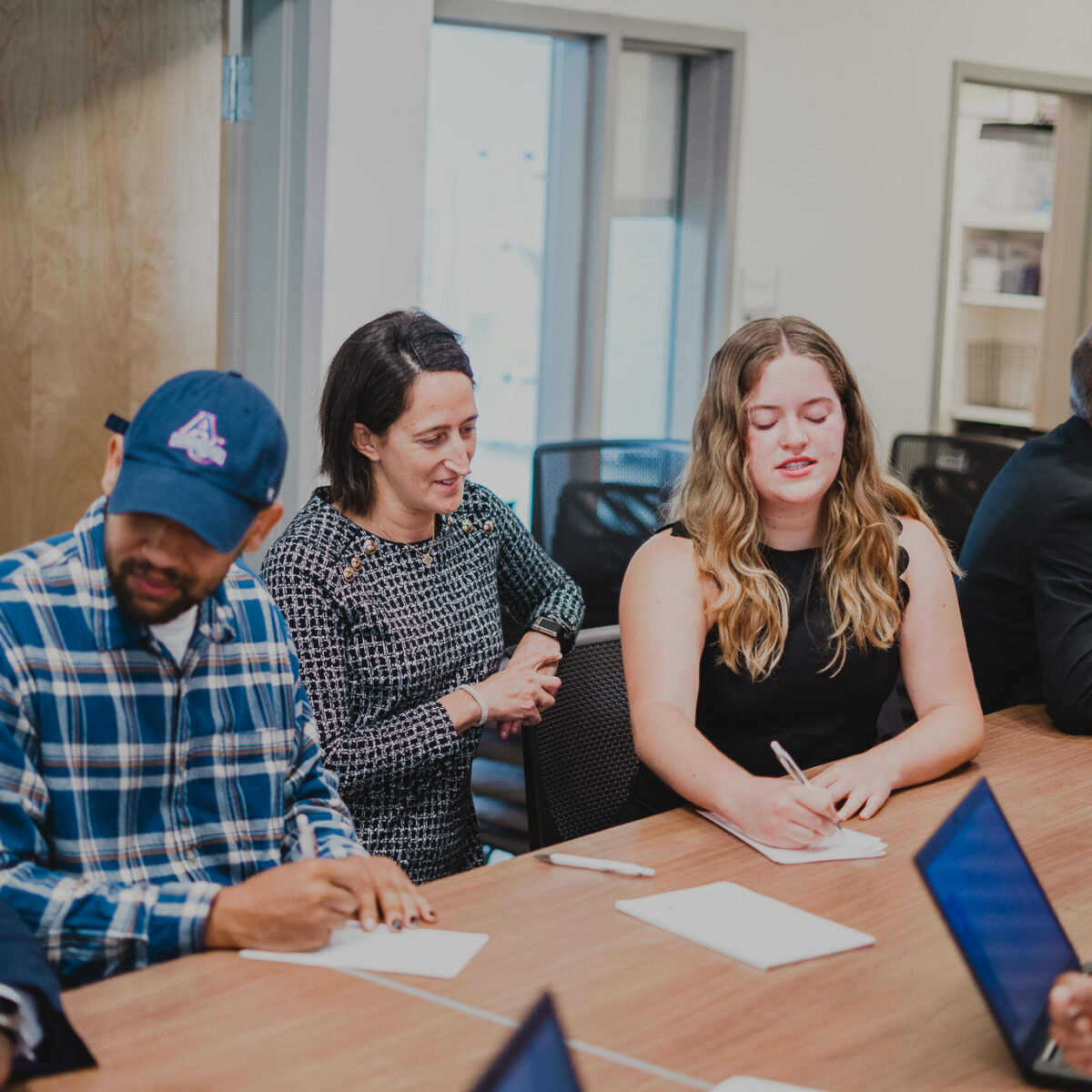
Holloway’s prescription is almost aggressively unglamorous: convene the same people on a fixed cadence and keep doing it. Create the recurring calendar entry (virtual or in-person, depending on your local context), and keep it up. If the meetings fall flat, or stop, there’s always a reason. Address that reason.
The trouble is that, amid declining trust sped by the lasting damage of the COVID pandemic, Americans are showing up to fewer of those rooms.
Nationally, the share of adults who attended a public meeting fell from 11.9% to 10.5% between 2017 and 2023, as measured by the US Census Bureau and AmeriCorps. Organizational membership dropped from 29.7% to 27.0%.
Louisiana, where Technical.ly reports, now ranks last in the country on public meeting attendance, at 5.7%, and second-to-last on organizational membership. North Dakota, where Technical.ly is expanding, posted one of the steepest collapses in organizational membership of any state, down 11.6 percentage points in six years. North Carolina and Oregon fell similarly.
In contrast to formal meetings, “taking action with neighbors” (organizing informally with the people on your block to fix something) held essentially flat nationally, 22.2% to 22.4%. In Louisiana it went up 3.5 points. In Virginia, up 4.8.
Americans have not stopped cooperating. Participation in the formal rooms where public money gets allocated has declined. Which means the civic infrastructure is being hollowed out from both the professionals cycling every few years, and the public skipping the meetings those professionals call.
Economic leaders should care about both. Serious institutional stewardship of more dynamic and accessible economies, and plenty of informal networks of friendly civic boosters. Ecosystem building is coalition building, and in our distrustful era, we need plenty of it. Turns out storytelling and other communications strategies are crucial.
Harvey Schmitt ran the Greater Raleigh Chamber of Commerce from 1994 to 2015. On the first Friday of every month, he put the mayor, city manager, county commission chair, county manager, school superintendent, visitors bureau, downtown alliance and airport in one conference room with an egg timer and gave each of them three minutes.
“You can fake sincerity, but you can’t fake being there,” he told author Holloway. He estimates it consumed a quarter of his time. Schmitt left the job more than a decade ago. He says the first Friday meeting is still running.
The point was never how long Schmitt stayed. It’s that he built something that didn’t need him to.