For some Baltimore entrepreneurs, starting a small business can mean navigating complex city regulations and landlord-tenant issues.
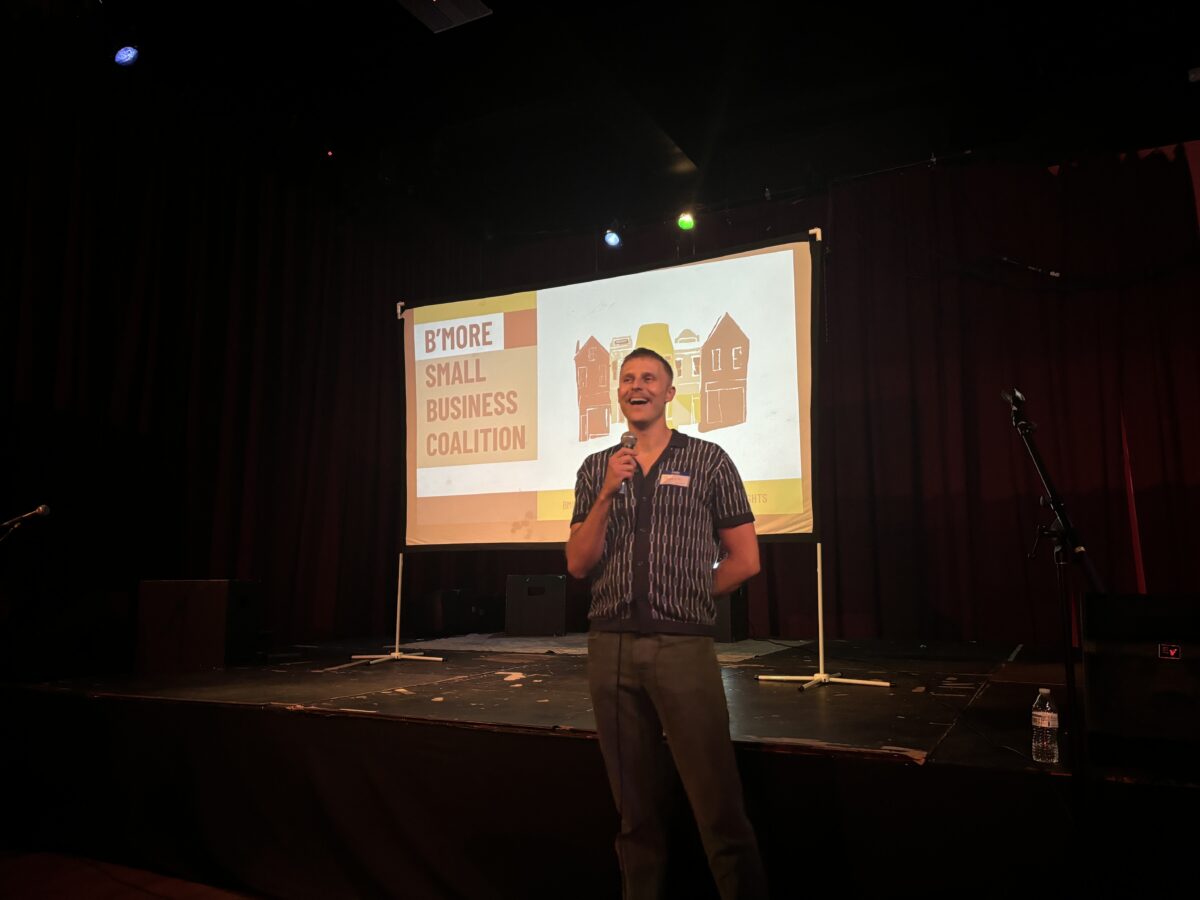
Now, a 200-member coalition of small business owners is working with council member Zac Blanchard on three potential bills aimed at streamlining city services and addressing concerns about commercial leases.
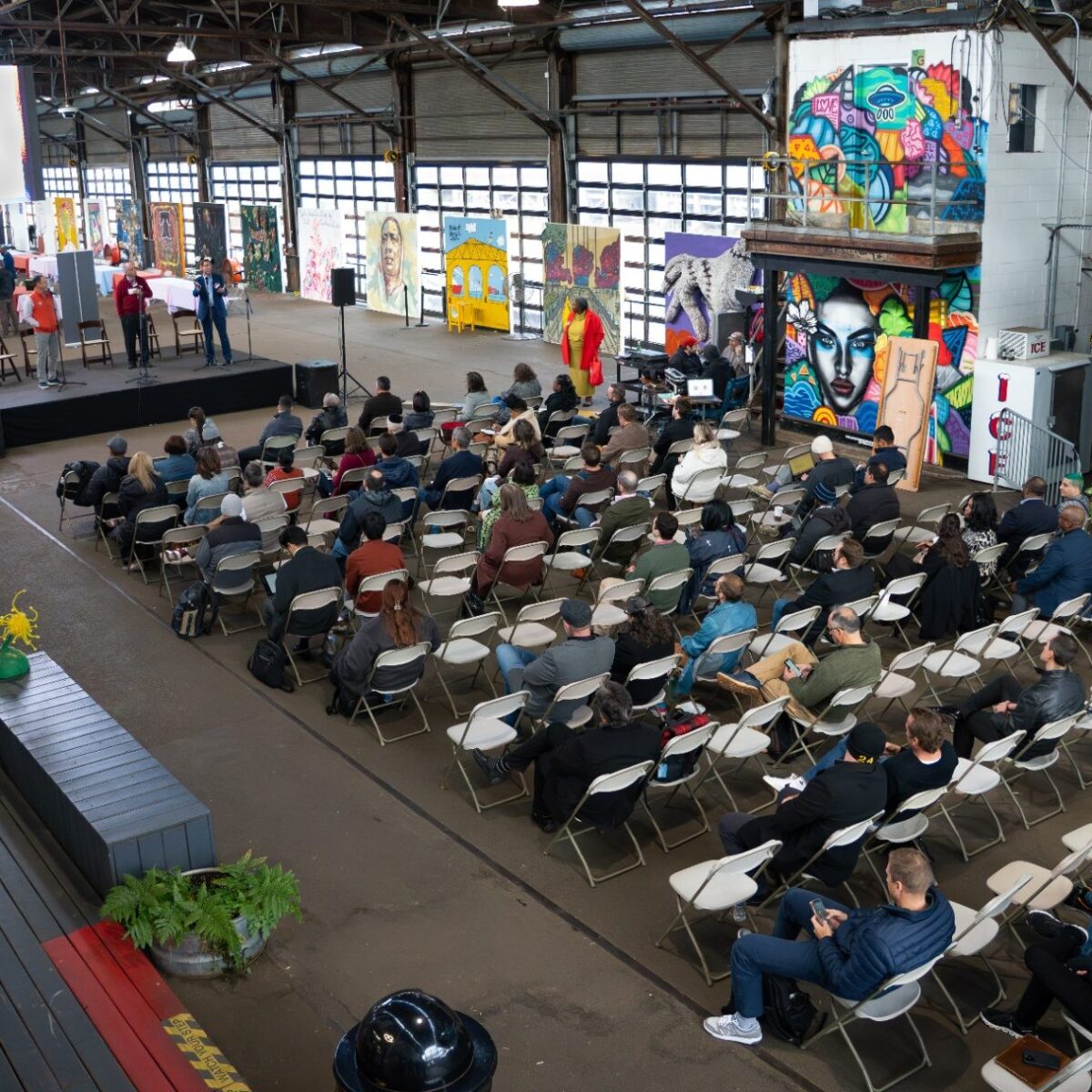
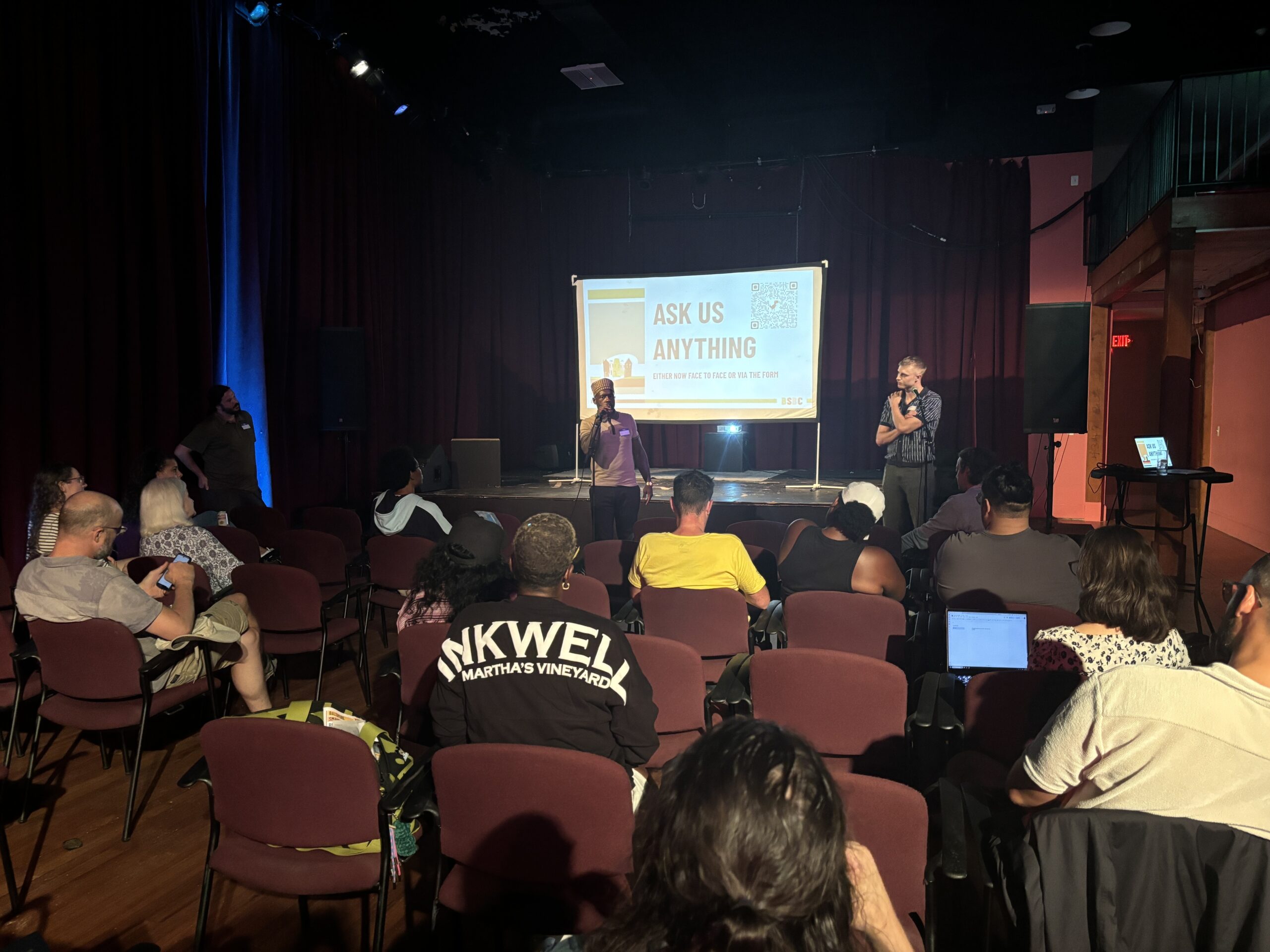
“As is, the process really is not designed to support new small businesses,” coalition organizer Tanner Mobley said during the group’s first town hall meeting last week.
Business owners at the event offered firsthand examples of those challenges, including the web of permits and inspections required to open their doors.
Like Marvin Rodriguez, who, after deciding to open his restaurant, Aru Aru, spent nearly two years dealing with city systems before he could get the business off the ground. And he was fortunate to have a supportive landlord, Ekiben cofounder Steve Chu, who helped him avoid some of the landlord-related concerns raised by other business owners at the event, he said.
In his case, there was an unannounced overhaul of the city’s permitting portal, a change Rodriguez only discovered after inquiring about the holdup himself.
“As a new business coming in here, my pockets aren’t filled with money,” Rodriguez, whose parents also run a local restaurant, told Technical.ly. “This process took so much longer than it should have.”
The coalition’s legislative push targets hurdles facing new business owners like Rodriguez and ways to fill vacant storefronts, but its top priority is addressing what it says are unfair landlord practices.
New portal, increased protections
The group plans to initially advance its proposals through three municipal bills. Legislative efforts are still in the works and there are no further details at this time.
Volunteer organizers consulted with Baltimore entrepreneurs and policy experts to craft a “Bill of Rights” that mirrors established laws in other places, such as New York City’s stiffer penalties for landlords who may penalize commercial tenants with utility cutoffs or court battles.
The coalition also draws inspiration from Victoria, Australia, hoping to require landlords — not new tenants — to cover core building repairs.
Other proposed protections include:
- Requiring a 90-day notice for any rent increase, lease termination or eviction,
- Limiting upfront security deposits and required letters of credit, and
- Granting commercial tenants the right to purchase their building.
Organizers say they hope that increased oversight will make starting and maintaining a business far less of a feat. Maryland’s small business survival rate dropped from 19% to 12% in 2024, according to the state chamber of commerce — one of the steepest declines in the region.

The coalition also seeks to ease the load for aspiring entrepreneurs. Though various local entities offer support to entrepreneurs, organizers said that the maze of municipal permits and health department inspections requires a more unified resource.
To fix this, the coalition is calling for a centralized small business portal on the city’s website, bundling permitting steps, tenant rights guides and available grants in one place.
Since 2019, new small business applications in Baltimore City have increased by 31%. Town hall attendees said that rise in ambition hasn’t necessarily made starting a business any easier.
“It’s a tough business being an entrepreneur,” said one coalition organizer, Billy Dalton. “People take real risks opening a brick-and-mortar, and when a landlord has predatory behavior, it makes it even more difficult.”
Goodbye empty city storefronts
One of the coalition’s proposals is already receiving support from City Council leadership: a commercial vacancy tax.
In 2025, Baltimore City passed a vacancy tax on residential properties. The coalition wants to extend that logic to commercial storefronts, taking cues from policies in San Francisco and DC. The coalition is also pushing for better tracking of vacancies, which are less consistently monitored outside of downtown office and retail space.
But critics of the policy say that these taxes place a burden on small property owners. An urban development firm’s analysis of Palo Alto found that market forces and regulatory hurdles lead to vacancies more often than unwilling landlords.
However, City Council President Zeke Cohen has thrown his support behind the idea. In June, he told Spotlight on Maryland that a commercial vacancy tax would help revitalize underdeveloped corridors.
“If folks want to sit on vacant and abandoned property,” Cohen said, “I think the tax threshold should be higher than if they’re doing what we need them to do, which is rent out space and bring in great local businesses.”
With more town halls on the horizon, the coalition plans to build out its base with volunteers to conduct research, lead marketing and pack City Hall once its proposed legislation hits the floor.
“We have a lot of small businesses supporting us now,” Dalton said. “But we need even more to affect change.”